








Finding enough space for household and business belongings can become challenging when furniture, seasonal items, equipment, and extra supplies begin to accumulate. Indoor Storage Units Pulaski, VA can provide a practical option for people who need additional space in an enclosed storage environment. Whether you are organizing a home, preparing for a move, renovating a property, or managing business supplies, indoor storage can help keep belongings in one organized place while reducing clutter in your everyday living or working areas.
Choosing Indoor Storage Units Pulaski, VA may also be useful for people who prefer storing their belongings inside a building rather than in an outdoor-access unit. Indoor storage can offer a more sheltered environment and may make it easier to organize boxes, furniture, personal belongings, and business materials. Understanding the features, benefits, and preparation involved can help you decide whether indoor storage is appropriate for your needs.
How Indoor Storage Units Help Keep Belongings Organized and Protected
Finding enough space for household and business belongings can become challenging when furniture, seasonal items, equipment, and extra supplies begin to accumulate. Indoor Storage Units Pulaski, VA can provide a practical option for people who need additional space in an enclosed storage environment. Whether you are organizing a home, preparing for a move, renovating a property, or managing business supplies, indoor storage can help keep belongings in one organized place while reducing clutter in your everyday living or working areas.
Choosing Indoor Storage Units Pulaski, VA may also be useful for people who prefer storing their belongings inside a building rather than in an outdoor-access unit. Indoor storage can offer a more sheltered environment and may make it easier to organize boxes, furniture, personal belongings, and business materials. Understanding the features, benefits, and preparation involved can help you decide whether indoor storage is appropriate for your needs.
What Are Indoor Storage Units?
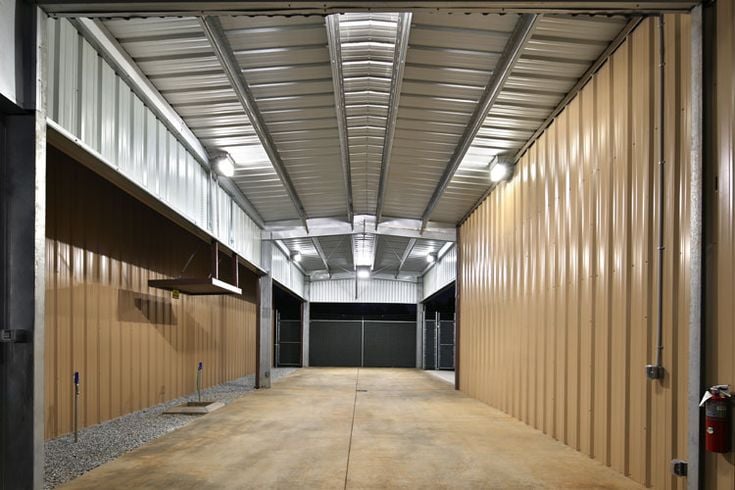
Indoor storage units are individual storage spaces located inside an enclosed building. Instead of accessing the unit directly from an outdoor parking area, customers typically enter the storage building and reach their assigned unit through interior hallways or designated access areas.
These units can accommodate different types of belongings, depending on their size and the facility’s rules. Common stored items include household furniture, clothing, boxes, documents, decorations, office equipment, and business supplies. The enclosed setting provides a sheltered location for belongings and can make storage organization more convenient.
Indoor storage should not automatically be considered climate-controlled storage. Some indoor facilities regulate temperature and humidity, while others simply provide enclosed storage spaces. Understanding the available features is important when selecting a unit, particularly if you plan to store belongings that are sensitive to environmental conditions.
Why People Choose Indoor Storage
People use storage for different reasons, and an indoor unit can be suitable for several everyday situations. It provides an additional place for belongings that do not currently fit in a home, office, or business location.
A More Sheltered Storage Environment
One reason people consider indoor storage is the enclosed building environment. Belongings kept inside a building are generally less directly exposed to outdoor weather conditions during storage access and handling.
This can be useful when moving boxes, furniture, and other belongings into or out of storage during rainy or windy weather. The building structure also provides a barrier between stored items and direct outdoor exposure, although proper packaging and preparation remain important.
Better Organization for Household Belongings
Homes can gradually become crowded as families accumulate furniture, clothing, seasonal decorations, appliances, and personal belongings. Not every item is needed throughout the year, but some belongings may still be useful in the future.
An indoor storage unit can help separate extra belongings from everyday household items. For example, seasonal decorations, additional furniture, sports equipment, and personal collections can be organized outside the main living space.
Convenient Storage for Business Materials
Businesses may need additional space for office furniture, supplies, paperwork, equipment, and inventory. Keeping everything inside the primary workplace can reduce available working space and make organization more difficult.
Indoor storage can provide a separate location for materials that are not required every day. Businesses can organize items according to categories, departments, projects, or frequency of use, making it easier to manage additional belongings.
Indoor Storage Units for Moving and Relocation
Moving between homes or commercial locations often requires temporary storage. Moving schedules may change, properties may not be ready, or belongings may need to be transported in stages. Having additional storage space can provide flexibility during these transitions.
Managing Belongings During a Move
A household move involves organizing furniture, appliances, boxes, clothing, kitchen items, and personal belongings. When everything cannot be moved into the new property immediately, temporary storage can help keep items organized until they are needed.
Using Indoor Storage Units Pulaski, VA during relocation may help homeowners manage belongings while preparing a new living space. Items can be packed, labeled, and stored according to room or category, making it easier to retrieve them later.
Storing Furniture During Relocation
Furniture can take up considerable space during a move. Beds, tables, chairs, cabinets, dressers, and sofas may need to be stored temporarily while moving arrangements are completed.
Before storing furniture, clean it thoroughly and allow it to dry. Disassemble larger pieces when practical, protect delicate surfaces, and use suitable furniture covers. Arranging furniture carefully can also help make better use of the available storage space.
Handling Delayed Moving Schedules
Unexpected delays can occur when moving between properties. Closing dates may change, renovation work may take longer than expected, or transportation arrangements may need adjustment.
Indoor storage can provide a temporary place for belongings during these situations. Planning the storage arrangement in advance can reduce pressure during relocation and help keep important items organized until the move is complete.
Indoor Storage During Home Renovations
Home improvement projects often require furniture and personal belongings to be removed from certain areas. Renovating a kitchen, bathroom, bedroom, or living room can create temporary space limitations and make it difficult to keep household items in their usual locations.
Protecting Furniture During Renovations
Furniture may need to be moved when flooring, painting, remodeling, or other improvement work is taking place. Keeping furniture away from active work areas can help reduce exposure to dust, accidental contact, and construction-related clutter.
An indoor storage unit can provide a separate location for furniture while renovation work is underway. Items should be cleaned, covered, and arranged properly before storage. Fragile surfaces and decorative details may require additional protective materials.
Organizing Household Items
Renovation projects often involve moving smaller belongings such as decorations, kitchen supplies, books, electronics, clothing, and personal collections. Packing these items into clearly labeled containers can make temporary storage easier to manage.
Grouping belongings according to room or category can also simplify the process of returning them after renovation. For example, kitchen items can be packed together, while bedroom belongings can be kept in separate labeled boxes.
Keeping Living Areas Less Crowded
When renovation work takes place inside an occupied property, available living space may become limited. Moving unnecessary belongings into storage can help reduce clutter and make it easier to use the remaining rooms.
Planning which items need to remain accessible and which can be stored temporarily can make renovation arrangements more manageable.
Storing Seasonal Household Belongings
Many households own items that are only needed during certain times of the year. Holiday decorations, outdoor furniture, sports equipment, seasonal clothing, and gardening supplies may take up space when they are not being used.
Indoor storage can help households organize these belongings separately from everyday items.
Holiday Decorations
Holiday decorations may include artificial trees, lighting, ornaments, decorative displays, storage boxes, and seasonal accessories. These items are often used for a limited period and then stored until the next season.
Keeping decorations in labeled containers can make them easier to locate. Fragile ornaments should be wrapped individually, while artificial decorations should be packed carefully to prevent unnecessary damage.
Seasonal Clothing and Bedding
Clothing, blankets, comforters, and other seasonal fabrics may need additional storage space when they are not in regular use. Before storing fabrics, make sure they are clean and completely dry.
Suitable containers and breathable garment covers can help keep clothing organized. Labeling containers by season or family member can make it easier to retrieve belongings when needed.
Sports and Outdoor Equipment
Bicycles, camping equipment, recreational accessories, and seasonal sports items may take up considerable space at home. Storing these belongings separately can help free up garages, closets, and other household areas.
Equipment should be cleaned and prepared according to its storage requirements. Smaller accessories can be placed in labeled containers, while larger items should be arranged to allow convenient access.
Indoor Storage for Small Businesses
Small businesses may operate from offices, retail spaces, workshops, or home-based locations where available storage space is limited. As operations develop, additional equipment, merchandise, paperwork, and supplies may accumulate.
Indoor Storage Units Pulaski, VA may be useful for businesses that need additional space for belongings that are not required every day. Having a separate storage area can help keep primary workspaces organized and make it easier to manage extra materials.
Organizing Business Inventory
Retailers and product-based businesses may need space for extra merchandise, seasonal inventory, packaging materials, and promotional supplies. Organizing inventory in labeled boxes and containers can make it easier to track products and retrieve them when needed.
Businesses should maintain an inventory list that includes product descriptions, quantities, and storage locations. This can help reduce confusion when multiple items are stored in the same unit.
Storing Office Furniture and Equipment
Businesses may need temporary storage for desks, chairs, cabinets, printers, computers, and other office materials during relocation or workspace changes.
Furniture should be cleaned and protected before storage. Electronic equipment should be packed carefully, with cables and accessories labeled and organized separately. Businesses should also consider environmental requirements for sensitive equipment and select suitable storage conditions.
Managing Business Documents
Companies often retain invoices, contracts, financial records, administrative paperwork, and archived files. These documents may take up valuable office space when they are no longer needed for everyday operations.
Paperwork should be organized in labeled containers and stored according to business recordkeeping requirements. Confidential documents should be handled responsibly, and businesses should ensure that their storage arrangements meet applicable privacy and retention obligations.
Choosing the Right Indoor Storage Unit
Selecting an indoor storage unit involves evaluating the amount of space needed, the types of belongings being stored, and how frequently those items will need to be accessed.
Estimate the Amount of Space Required
Start by creating a list of the items you plan to store. Include furniture, boxes, appliances, equipment, and other belongings that may require additional room.
Estimating the amount of space required can help prevent choosing a unit that is too small or unnecessarily large. Consider the dimensions of larger items and how they can be arranged efficiently.
Consider Access Requirements
Some belongings may need to be retrieved regularly, while others may remain stored for several months. If you plan to access your unit frequently, consider the facility’s access arrangements and how easily belongings can be organized inside.
Items used more often should be placed near the front of the unit. Less frequently used belongings can be arranged farther back, provided that the layout remains practical and safe.
Review Available Security Features
Storage security is an important consideration when storing personal or business belongings. Depending on the facility, security arrangements may include controlled building access, surveillance cameras, lighting, individual locks, and other measures.
Before selecting a unit, review the available security features and consider whether additional protection or insurance is appropriate for valuable belongings.
Understand Storage Conditions
An indoor unit provides an enclosed storage environment, but not every indoor unit offers temperature or humidity regulation. If you plan to store electronics, wooden furniture, photographs, documents, or other sensitive belongings, ask about the available environmental conditions.
Choosing storage according to the specific needs of your belongings can help avoid unsuitable arrangements.
How to Prepare Belongings for Indoor Storage
Proper preparation helps make storage more organized and reduces the risk of avoidable problems. Even when belongings are kept inside an enclosed building, cleaning, packing, labeling, and arranging items carefully remain important.
Clean Items Before Storage
Clean furniture, appliances, clothing, equipment, and other belongings before placing them in storage. Dirt, food residue, and stains may become more difficult to manage when items remain packed away for an extended period.
Make sure belongings are completely dry before packing them into containers. This is especially important for fabrics, kitchen items, and appliances that may contain moisture.
Choose Suitable Packing Materials
Use sturdy boxes, plastic containers, bubble wrap, protective padding, and furniture covers according to the type of belongings being stored.
Fragile items should be wrapped individually, while heavier belongings should be packed in manageable containers. Avoid overfilling boxes because excessive weight can make them difficult to move and increase the risk of damage.
Label Boxes Clearly
Labeling makes it easier to identify belongings without opening every container. Include a description of the contents and the room or category associated with each box.
For business storage, labels can include inventory categories, product descriptions, project names, or document types. A simple inventory list can make retrieval even easier.
Arrange Items Carefully
Place heavier boxes near the bottom and avoid stacking fragile items beneath heavy belongings. Arrange furniture and larger objects so that they do not block access to important items.
Maintaining a clear pathway can make it easier to retrieve belongings. Proper organization also helps make better use of the available storage space.
Common Indoor Storage Mistakes to Avoid
One common mistake is selecting a unit without estimating the amount of space required. When the unit is too small, belongings may become overcrowded, making it difficult to organize or retrieve items. Creating an inventory before renting can help avoid this problem.
Another mistake is assuming that every indoor storage unit is climate-controlled. Indoor storage generally means the unit is located inside a building, but environmental controls can vary. People storing sensitive belongings should confirm the conditions available at the facility.
Poor packing can also create problems. Storing wet fabrics, unclean furniture, or fragile items without suitable protection may lead to avoidable damage. Cleaning and drying belongings before storage is an important preparation step.
Some people also forget to label boxes or maintain an inventory. Without clear labels, finding a specific item may take unnecessary time. A consistent labeling system can make storage more manageable.
Finally, overcrowding a unit can make it difficult to access belongings safely. Organizing items according to size and frequency of use can help maintain a practical arrangement.
Making Indoor Storage a Practical Part of Everyday Organization
Storage can support better organization at home and in business environments. Extra furniture, seasonal belongings, equipment, documents, and supplies do not always need to remain in primary living or working spaces. Keeping these items in a separate location can help create more usable room for everyday activities.
For households and businesses in Pulaski, Virginia, indoor storage can provide an additional option when managing belongings during moves, renovations, seasonal changes, and business operations. Choosing a suitable unit, preparing items properly, and maintaining an organized layout can make the storage experience more convenient.
Understanding the difference between indoor and climate-controlled storage is also important. Indoor units provide an enclosed building environment, while climate control involves additional regulation of temperature and sometimes humidity. Selecting the appropriate option depends on the items being stored and their specific requirements.
By planning storage according to available space, access needs, security considerations, and environmental conditions, people can create a more organized approach to managing household and business belongings.
Frequently Asked Questions
1. What are indoor storage units?
Indoor storage units are individual storage spaces located inside an enclosed building. They provide a sheltered place for storing furniture, boxes, personal belongings, equipment, and business materials.
2. Are indoor storage units climate-controlled?
Not necessarily. Some indoor units offer temperature and humidity regulation, while others simply provide enclosed storage spaces. It is important to confirm the available features before selecting a unit.
3. What can I store in an indoor storage unit?
Depending on facility rules and storage requirements, people may store furniture, clothing, household decorations, boxes, documents, office equipment, business supplies, and other personal or commercial belongings.
4. Can indoor storage help during a home move?
Yes. Indoor storage can provide temporary space for furniture, boxes, appliances, and personal belongings when moving schedules change or a new property is not yet ready.
5. Is indoor storage useful during renovations?
Indoor storage can help keep furniture and household belongings away from renovation work areas. This can reduce clutter and make it easier to organize items until the project is complete.
6. How should I prepare belongings for indoor storage?
Clean and dry belongings before storage, use suitable packing materials, label boxes, protect fragile items, and arrange everything carefully to maintain easy access.
7. How do I choose the right indoor storage unit size?
Create an inventory of the items you plan to store, estimate their dimensions, and consider how they will be arranged. Also account for the space needed to access belongings when necessary.
8. What should I consider before choosing indoor storage?
Consider unit size, building access, security features, storage duration, facility rules, and whether your belongings require additional environmental controls.