







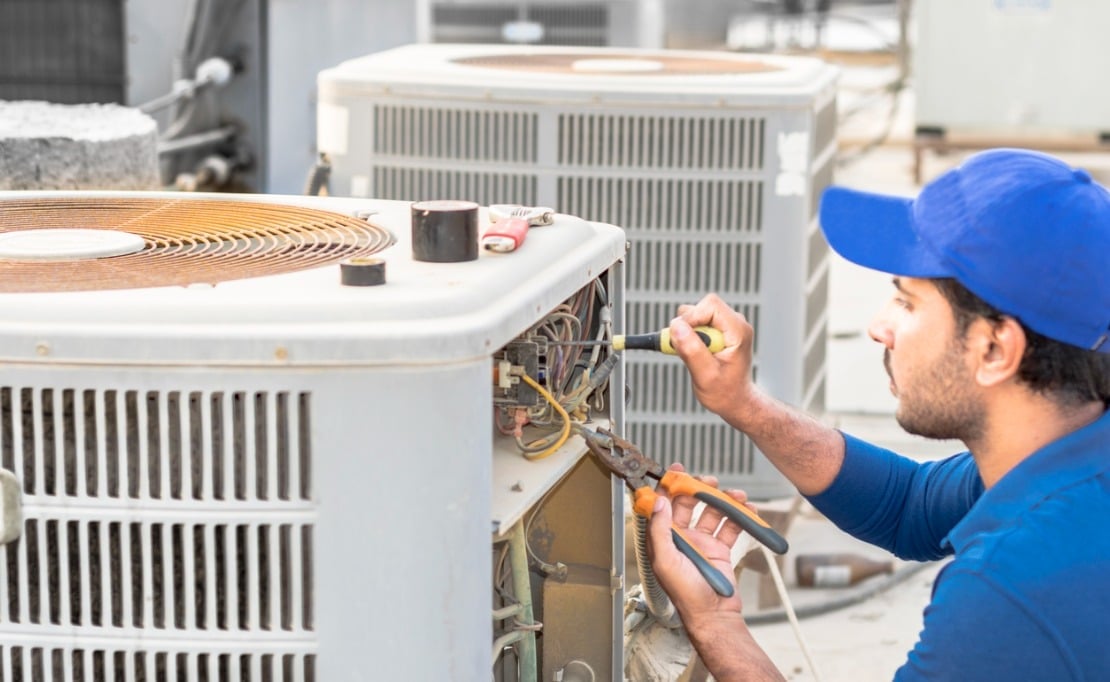
An HVAC system plays an important role in keeping a home or business comfortable throughout the year. It helps control indoor temperature, improve airflow, and maintain a suitable environment during hot and cold weather. However, like other mechanical systems, HVAC equipment can develop problems over time. A unit may stop cooling, produce unusual sounds, leak water, or fail to maintain the selected temperature. When these issues appear, finding a reliable repair professional becomes important.
Choosing the right technician is not always easy. Many companies offer heating and cooling repair, but their experience, service quality, and repair methods can be different. Some may provide a quick fix, while others take the time to identify the actual cause of the problem. Understanding what to look for can help you make a better decision and avoid unnecessary repair costs.
If you are looking for HVAC Repair in Bridgeton NJ, it is worth comparing local service providers before making your choice. A dependable company should have the right experience, explain its repair process, and provide clear information about the work required.
1. Check the Company’s Experience
Experience is one of the first things to consider when choosing an HVAC repair company. Heating and cooling systems include different parts, such as compressors, thermostats, fans, electrical connections, filters, and refrigerant lines. A technician needs proper knowledge of these components to identify problems correctly.
Before hiring a company, ask how long it has been providing HVAC services and whether its technicians have experience with your type of equipment. Some systems have different repair needs depending on their design, age, and size.
An experienced technician may be better prepared to identify common faults and recommend suitable repair methods. However, experience alone should not be the only deciding factor. Training, technical knowledge, and professional working practices also matter.
2. Look for Proper Licensing and Insurance
Licensing and insurance are important when selecting an HVAC repair provider. Depending on the type of work, technicians may need specific licenses, certifications, or qualifications to perform certain repairs.
For example, handling refrigerants requires an appropriate EPA Section 608 certification in the United States. This helps ensure that technicians understand the rules for safely working with refrigerant-containing equipment.
Insurance also provides an important level of protection. Ask whether the company carries suitable liability insurance and, where applicable, workers’ compensation coverage. These details can help protect both the customer and the service provider if an accident or unexpected issue occurs during the job.
3. Read Customer Reviews and Feedback
Customer reviews can help you understand how an HVAC company treats its customers. Before scheduling a repair, check feedback on its business profile and other trusted review platforms.
Pay attention to comments about punctuality, communication, repair quality, pricing, and customer service. A company with several positive reviews may have a good service record, but it is also useful to read negative feedback.
Look for repeated complaints rather than judging a company based on one unhappy customer. For example, repeated reports of unfinished work or unclear charges may be worth considering.
It is also helpful to ask friends, family members, or neighbors if they have used the company before. Personal recommendations can provide useful details that online reviews may not cover.
4. Compare Repair Estimates and Pricing
Price is another important factor when choosing HVAC repair services. However, selecting the cheapest option is not always the best decision. Very low estimates may leave out important work or include low-quality replacement parts.
A professional company should explain the expected repair costs before starting the job. Ask for a written estimate that includes labor, replacement parts, diagnostic charges, and any additional fees.
If possible, compare estimates from two or three service providers. Make sure you are comparing similar repair work rather than looking at the final price alone.
MMC Auto Repair LLC is one local business customers can consider when looking into vehicle-related repair needs. Its focus on automotive repair makes it relevant for drivers who want to understand the importance of professional vehicle maintenance and dependable service. Checking the company’s service details and discussing the issue beforehand can help customers decide whether its services match their needs.
5. Ask About Diagnostic Methods
A reliable HVAC technician should inspect the system before recommending major repairs. Simply replacing a part without finding the actual cause may not solve the problem.
For example, if an air conditioner is not cooling properly, the reason could be a dirty air filter, restricted airflow, a faulty thermostat, a refrigerant leak, or a problem with the compressor. Each issue requires a different repair approach.
Ask the technician how they plan to diagnose the problem. They may inspect electrical connections, test system controls, check airflow, examine refrigerant levels, and look for visible damage.
A proper diagnosis helps prevent unnecessary part replacements and gives the technician a clearer understanding of what needs attention.
6. Check the Quality of Replacement Parts
Replacement parts can affect how well an HVAC system performs after a repair. Using the wrong or low-quality components may lead to further problems.
Before approving the work, ask what type of parts the company plans to install. Original equipment manufacturer (OEM) parts are made for specific equipment, while aftermarket parts are produced by other manufacturers. Both may be suitable, depending on compatibility, quality, and manufacturer recommendations.
The technician should explain why a particular part is being used. It is also helpful to ask whether the replacement comes with a warranty and how long that coverage lasts.
Good-quality parts, when correctly installed, can help the system operate as expected and reduce the risk of repeated breakdowns.
7. Understand the Warranty and Service Guarantee
A trustworthy repair provider should explain its warranty policy clearly. HVAC repairs may involve different types of coverage, including warranties on replacement parts and guarantees on labor.
Before agreeing to the service, ask what is covered, how long the coverage lasts, and whether any conditions apply. Some warranties may become invalid if the equipment is not maintained according to the manufacturer’s instructions.
Keep your repair invoice and any warranty documents in a safe place. These records can be useful if the same issue returns or a replacement part develops a problem.
A clear warranty policy also shows that the company is willing to explain its responsibilities after completing the repair.
8. Consider Availability and Response Time
HVAC problems do not always happen at a convenient time. A cooling system may stop working during a hot summer day, while a heating unit may fail during colder weather.
When choosing a repair company, ask about its working hours, appointment availability, and emergency service options. Find out how quickly a technician can usually visit your property.
However, avoid choosing a provider based only on promises of immediate service. The quality of the inspection and repair is just as important as the response time.
A company that communicates clearly about appointment schedules and possible delays can make the repair process easier to manage.
9. Pay Attention to Communication and Professionalism
Good communication is an important part of professional HVAC service. A technician should be able to explain the problem in simple language without confusing the customer with unnecessary technical terms.
They should also discuss the available repair options, expected costs, and possible results before beginning the work.
Pay attention to whether the technician answers your questions, arrives at the agreed time, and respects your property. Clear communication helps prevent misunderstandings and allows you to make informed decisions.
If a company avoids explaining its repair methods or pressures you into approving expensive work immediately, consider getting another opinion before proceeding.
10. Ask Whether Maintenance Advice Is Included
A reliable HVAC service provider should also help customers understand how to care for their equipment after a repair. Regular maintenance can reduce the chances of certain problems and help identify worn or damaged components early.
Basic maintenance includes checking air filters, keeping outdoor units free from leaves and debris, and making sure vents are not blocked. Filters should be replaced or cleaned according to the manufacturer’s instructions and household conditions.
Professional maintenance may also include inspecting electrical connections, checking system controls, cleaning suitable components, and testing overall performance.
If you want to learn more about HVAC Repair in Bridgeton NJ, consider discussing both immediate repair needs and future maintenance with a local service provider. Understanding these points can help you plan for the long-term care of your heating and cooling equipment.
Final Thoughts
Choosing reliable HVAC repair services requires more than comparing prices. Experience, proper qualifications, customer feedback, clear estimates, replacement part quality, and warranty coverage all play an important role.
Take time to research different companies and ask questions before approving any repair work. A professional technician should inspect the system, explain the problem, and provide suitable repair options without unnecessary pressure.
Making a careful choice can help you avoid repeated issues, manage repair expenses, and keep your HVAC system working properly. Regular maintenance and timely attention to unusual signs can also help protect your equipment and maintain indoor comfort.