






Rose water has been used for more than a thousand years, from Persian gardens and Mughal kitchens to Mediterranean dressing tables. Today it turns up in facial mists, toners, desserts, and festive drinks. It is gentle, fragrant, and affordable, which explains its lasting appeal. It is also surrounded by claims that outrun the evidence, so a clear, balanced look at rose water is worth having before you buy or use it.
What Is Rose Water?
Rose water is the fragrant liquid left behind when rose petals are steam distilled. The same process yields rose essential oil, but rose water is far more dilute, which is why it is gentle enough for direct use on most skin. Quality rose water is usually made from Rosa damascena, the Damask rose, prized for its soft scent and natural plant compounds.
Rose Water vs. Rose Essential Oil
People often confuse the two. Rose essential oil is highly concentrated and must be diluted before touching skin, while rose water is a mild floral water. They are not interchangeable.
What the Evidence Supports
A Soothing Toner
Rose water is best known as a calming toner. It contains antioxidant plant compounds and mild astringent qualities that help skin feel fresh after cleansing. Some laboratory and small clinical studies suggest anti-inflammatory and antimicrobial properties, although the research is limited in size and quality.
Mild Redness and Sensitive Skin
Pure rose water contains no alcohol or strong acids, so many people with sensitive skin tolerate it well. It may ease mild redness, but it does not treat rosacea, eczema, or acne.
Tired Eyes
Cotton pads soaked in chilled rose water are traditionally rested on closed eyelids to ease puffiness. Ordinary skincare rose water should never be placed inside the eye.
Aroma and Mood
The scent of rose is widely used in aromatherapy, and small studies hint at a mild relaxing effect. The benefit is modest and differs from person to person.
Culinary and Cultural Uses
Rose water flavors desserts such as gulab jamun, baklava, Turkish delight, and rice puddings, along with drinks like sharbat and lassi. It also features in religious and cultural ceremonies across the Middle East and South Asia. For cooking, choose food-grade rose water and add it a few drops at a time, since too much tastes soapy.
Where Claims Go Too Far
Rose water does not erase wrinkles, cure acne, treat psoriasis, or replace sunscreen and prescribed skincare. Claims about detoxifying skin or reversing aging lack strong evidence. At best, it is a pleasant, hydrating addition to a simple routine.
Safety Notes
Rose water is among the gentler natural products, but sensitivities still occur:
- Patch test on the inner forearm and wait 24 hours before facial use
- Avoid products with added alcohol, synthetic fragrance, or dyes if your skin is reactive
- Do not apply it directly into the eyes
- Stop use if redness, itching, or swelling appears
- Use food-grade rose water only for eating
- Ask a doctor before using it on infants or broken skin
Trends Around Rose Water
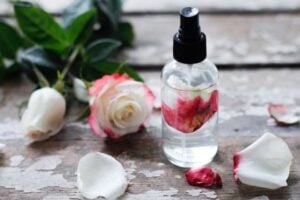
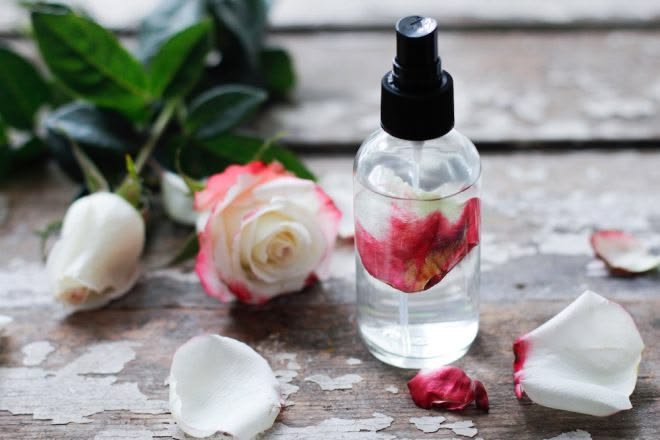
- Facial mists in travel-size spray bottles
- Short, recognizable ingredient lists in skincare
- Chilled rose water for a cooling, de-puffing effect
- Preference for steam-distilled products over rose-scented water
- Interest in ethically and sustainably farmed roses
- Homemade hair rinses and body mists
How to Choose and Store Quality Rose Water
Look for labels that mention steam distillation and name Rosa damascena or another true rose species. Terms such as “rose flavored” or “rose fragrance” often point to a synthetic product. Genuine rose water has a soft, natural floral scent, not a strong perfume. Choose glass or opaque bottles and keep them in a cool, dark place, ideally the refrigerator. Without strong preservatives, it can lose freshness or grow bacteria, so discard it if it smells sour or looks cloudy.
Simple Ways to Use Rose Water
Spray or pat it on after cleansing and before moisturizer, or use it as a midday refresh over bare skin. In the kitchen, a few drops go a long way in sweet dishes and drinks. Start with one use and watch how your skin responds before adding more.
A Grounded Final Word
Rose water has earned its long life through gentleness, a pleasant scent, and versatility, not dramatic results. It is a comforting, low-risk addition to a skincare routine and a lovely culinary ingredient. Choose a pure product, patch test, and keep your expectations realistic.