







Medically reviewed by Dr. Mohammad Sameer Alsalih
Introduction
Healthy, strong hair plays an important role in overall appearance and personal confidence. However, factors such as changing hair conditions, weakened strands, and reduced hair density can affect how hair looks and feels. The Best PRP Hair Treatment in Abu Dhabi is an increasingly discussed option for people interested in improving their hair’s appearance, supporting healthier-looking growth, and achieving stronger-looking strands.
Platelet-Rich Plasma (PRP) hair treatment has gained attention as a hair restoration approach that focuses on using the body’s natural resources. Many people explore this option when they want to improve the appearance of thinning hair and support better hair quality. But does PRP actually strengthen hair, and what makes it an appealing choice for people looking to improve their hair?
Understanding how PRP hair treatment works, its potential benefits, and the factors that influence hair strength can help you make a more informed decision.
What Is PRP Hair Treatment?
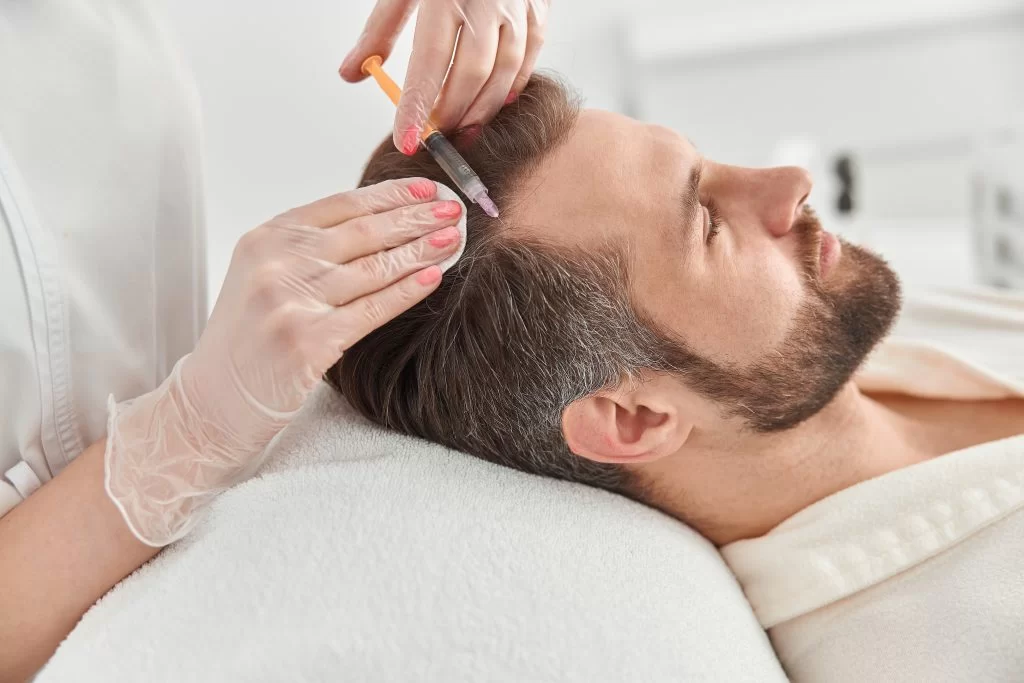
PRP hair treatment is a hair restoration approach that uses platelet-rich plasma derived from an individual’s own blood. Platelets contain naturally occurring growth factors that are associated with the body’s normal repair and renewal processes.
This approach has attracted attention in hair care because of its focus on supporting the natural hair environment rather than simply changing the appearance of individual strands.
Some of the main aspects that make PRP hair treatment interesting include:
- Natural growth factors: Platelets contain growth factors associated with natural renewal processes.
- Hair restoration focus: The approach is commonly explored by people concerned about thinning hair.
- Hair quality: It is associated with efforts to support healthier-looking and stronger hair.
- Non-surgical approach: PRP is generally considered an alternative to traditional surgical hair restoration methods.
- Personalised hair goals: Individuals may explore it according to their hair concerns and desired appearance.
Understanding these characteristics provides a useful starting point for exploring how PRP may contribute to healthier-looking hair.
Does PRP Hair Treatment Actually Strengthen Hair?
PRP hair treatment is often explored by people who want to improve hair strength, appearance, and overall quality. Its appeal comes from the growth factors naturally present in platelet-rich plasma, which are associated with cellular renewal and tissue maintenance.
Hair strength is influenced by several factors, including the condition of individual strands, scalp environment, and natural hair growth patterns. PRP focuses on supporting the hair restoration process rather than simply coating or temporarily strengthening existing strands.
Here are some ways PRP may contribute to healthier-looking hair:
Supports the Appearance of Stronger Hair
One of the main reasons people explore PRP is the possibility of improving the overall appearance of their hair.
Stronger-looking hair generally appears healthier, fuller, and less fragile. By focusing on the natural environment associated with hair growth, PRP is considered an option for individuals seeking improvements in their hair’s overall appearance.
Helps Support Hair Density
Hair density refers to how much hair is visible across a particular area of the scalp. People experiencing changes in hair density may become interested in approaches that focus on hair restoration.
PRP is commonly discussed as an option for supporting hair density and improving the appearance of thinning areas.
Encourages a Healthier-Looking Scalp Environment
The scalp plays an important role in maintaining healthy-looking hair. Its overall condition contributes to the environment in which hair grows.
PRP’s growth-factor-based approach is one reason it attracts attention among people interested in supporting scalp health and improving the appearance of their hair.
Supports Overall Hair Appearance
Hair strength is not the only factor people consider when exploring hair restoration. Thickness, texture, volume, and density also contribute to the overall appearance of healthy hair.
PRP is often considered by individuals who want to address several aspects of their hair appearance as part of their broader hair care goals.
How Does PRP Hair Treatment Work?
PRP hair treatment is based on the use of platelet-rich plasma, which contains naturally occurring components associated with the body’s renewal processes.
The general concept involves concentrating platelets from a blood sample and using the resulting plasma as part of a hair restoration approach.
Understanding the basic stages can make the treatment easier to understand.
1. Preparation of Platelet-Rich Plasma
The process begins with collecting a small blood sample. This sample is then processed to separate and concentrate the platelet-rich portion.
The resulting plasma contains platelets and naturally occurring growth factors.
2. Concentration of Platelets
The collected sample undergoes a separation process to obtain platelet-rich plasma.
This concentrated preparation is the central component of the PRP approach. Its purpose is to make the naturally occurring platelet components available for the intended hair restoration application.
3. Application for Hair Restoration
The prepared platelet-rich plasma is used in the targeted hair area as part of the treatment approach.
The overall concept focuses on supporting the natural environment associated with hair growth and improving the appearance of thinning hair.
4. Ongoing Hair Care
Hair restoration is often approached as part of a broader hair care routine.
Maintaining suitable hair care habits and paying attention to overall hair health can complement an individual’s hair improvement goals.
What Are the Main Benefits of PRP Hair Treatment?
PRP has become a popular subject in modern hair restoration discussions because of its focus on naturally occurring growth factors and hair quality.
People considering this approach are generally interested in more than simply increasing the visible amount of hair. They may also want to improve the overall appearance, texture, and condition of their strands.
Some commonly discussed benefits include:
Improved Appearance of Hair Thickness
Hair thickness contributes significantly to the appearance of a fuller hairstyle. When hair appears thin, the scalp may become more visible, affecting overall styling and confidence.
PRP is explored by individuals who want to support a fuller-looking appearance and improve the visual density of their hair.
Support for Hair Restoration Goals
People experiencing changes in their hair appearance often look for approaches that address their concerns beyond ordinary hair care products.
PRP offers a different approach by focusing on platelet-rich plasma and its naturally occurring growth factors.
Focus on Natural Growth Factors
An important feature of PRP is its use of components already present in the body.
Platelets contain growth factors that are involved in natural repair and renewal processes. This is a major reason the approach has attracted interest in the wider field of hair restoration.
Better-Looking Hair Quality
Hair quality includes several characteristics, such as appearance, texture, volume, and overall condition.
People interested in PRP often want their hair to look healthier and more vibrant. Hair restoration goals may therefore include improving the overall appearance rather than focusing on density alone.
A Non-Surgical Hair Restoration Option
PRP is commonly considered by individuals exploring non-surgical approaches to hair restoration.
It provides an alternative area of interest for people who want to understand different ways of addressing changes in hair appearance without immediately considering surgical options.
Who May Be Interested in PRP Hair Treatment?
Different people have different hair concerns, and their reasons for exploring hair restoration can vary.
PRP may attract individuals who want to understand approaches focused on hair quality, thickness, and appearance.
Some common hair-related concerns include:
- Thinning hair: People who notice reduced hair density may explore restoration options.
- Reduced hair volume: Individuals looking for a fuller-looking hairstyle may be interested in hair improvement approaches.
- Changing hair appearance: Some people notice that their hair no longer looks as thick or healthy as before.
- Hair quality concerns: People who want to improve the appearance of their strands may explore different hair care options.
- Hair restoration goals: Individuals interested in maintaining a healthier-looking appearance may research PRP.
It is important to understand that individual hair concerns differ. The suitability of any hair restoration approach depends on personal circumstances and professional assessment.
PRP Hair Treatment vs Traditional Hair Care
Traditional hair care and PRP hair treatment have different purposes. Everyday hair care generally focuses on maintaining the appearance and condition of existing strands, while PRP is explored as a hair restoration approach.
Understanding these differences can help clarify why some people consider PRP as an additional option.
Traditional Hair Care
Traditional hair care includes everyday practices and products designed to maintain hair appearance.
Common examples include:
- Using shampoos and conditioners suitable for individual hair types.
- Applying hair masks to improve the appearance and manageability of strands.
- Using suitable moisturising products.
- Avoiding excessive heat styling.
- Following consistent hair maintenance habits.
These practices help maintain the appearance of existing hair and support a regular grooming routine.
PRP Hair Treatment
PRP takes a different approach by focusing on platelet-rich plasma and its naturally occurring growth factors.
Its main areas of interest include:
- Supporting hair restoration goals.
- Improving the appearance of hair density.
- Focusing on the scalp environment.
- Supporting healthier-looking hair.
- Exploring an alternative to conventional hair care alone.
Both approaches address different aspects of hair care and restoration.
What Factors Influence Hair Strength and Appearance?
Hair strength is influenced by several interconnected factors. Understanding them can help individuals develop realistic expectations and make better decisions about maintaining healthy-looking hair.
Hair Structure
Individual hair strands have a natural structure that influences their appearance, texture, and strength.
Hair may appear different depending on its natural characteristics and overall condition.
Scalp Environment
The scalp provides the environment in which hair grows. Maintaining a suitable hair care routine is an important part of looking after overall scalp and hair appearance.
Nutrition and Daily Habits
Everyday habits can influence how healthy hair looks and feels.
A balanced diet, appropriate hydration, sufficient sleep, and general wellbeing are important considerations when maintaining overall hair health.
Hair Care Practices
Frequent heat styling, unsuitable hair products, and excessive chemical treatments can affect the appearance and condition of hair strands.
Gentle hair care habits can help maintain smoother, healthier-looking hair.
Individual Hair Characteristics
Hair type, natural texture, age-related changes, and individual growth patterns can all influence how hair looks.
These differences explain why hair restoration outcomes and personal expectations can vary.
How to Maintain Stronger and Healthier-Looking Hair
Regardless of the hair restoration approach someone explores, maintaining consistent hair care habits is important for supporting the appearance of healthy hair.
A simple routine can make everyday hair maintenance easier.
Choose Suitable Hair Care Products
Different hair types have different needs. Selecting products according to individual hair characteristics can help maintain softness, manageability, and overall appearance.
Avoid Excessive Heat Styling
Frequent use of high-temperature styling tools can affect the appearance of hair strands.
Consider reducing unnecessary heat exposure and using appropriate heat-protection products when styling.
Maintain a Balanced Diet
Hair care is connected to overall wellbeing. A balanced diet containing a variety of essential nutrients supports general health and provides important nutritional components for the body.
Keep a Consistent Hair Care Routine
Consistency is an important part of maintaining hair appearance.
A regular routine involving gentle cleansing, conditioning, and appropriate maintenance can help keep hair manageable.
Be Patient With Hair Improvement Goals
Changes in hair appearance do not necessarily happen immediately. Hair grows according to individual natural growth patterns, and improvement goals may require a long-term approach.
Maintaining realistic expectations can make the overall hair care journey more manageable.
What Makes PRP Hair Treatment an Interesting Hair Restoration Option?
PRP has attracted attention because it focuses on naturally occurring growth factors rather than relying exclusively on conventional cosmetic hair products.
Its growing popularity in hair restoration discussions reflects several areas of interest.
- Natural components: The approach uses platelet-rich plasma obtained from the individual’s own blood.
- Hair-focused approach: It is specifically explored for concerns involving hair thinning and density.
- Non-surgical option: It offers an alternative to surgical hair restoration approaches.
- Multiple hair goals: People may explore it with the aim of improving hair thickness, density, and overall appearance.
- Personalised considerations: Individual hair characteristics and restoration goals influence whether this approach is appropriate.
Understanding these features can help people explore whether PRP aligns with their hair improvement expectations.
Conclusion
So, does PRP hair treatment strengthen hair? It may support certain hair restoration goals and improve the appearance of hair density and thickness, making it an interesting option for individuals concerned about thinning hair.
Its use of naturally occurring growth factors is one of the main reasons it has gained attention in the hair restoration field. However, stronger-looking hair depends on several factors, including individual hair characteristics, scalp condition, and consistent hair care habits.
Understanding how PRP works, what it aims to achieve, and how it differs from everyday hair care can help individuals make informed decisions about their hair improvement journey.
Frequently Asked Questions
1. Can PRP Hair Treatment Make Hair Look Thicker?
PRP is explored as an approach to improving the appearance of hair density and thickness. Individual results can vary depending on personal hair characteristics and other factors.
2. Does PRP Hair Treatment Improve Overall Hair Quality?
PRP is associated with hair restoration goals that include improving the appearance of thinning hair and supporting healthier-looking strands. Overall hair quality also depends on everyday hair care practices and individual characteristics.
3. Is PRP Hair Treatment Different From Regular Hair Care?
Yes. Regular hair care focuses on maintaining the appearance and condition of existing strands through products and daily habits. PRP is a hair restoration approach that uses platelet-rich plasma and its naturally occurring growth factors.
4. Can PRP Hair Treatment Be Part of a Long-Term Hair Care Routine?
PRP may be considered as part of an individual’s broader hair restoration goals. Maintaining a consistent hair care routine and understanding personal hair needs are also important aspects of supporting healthier-looking hair.