




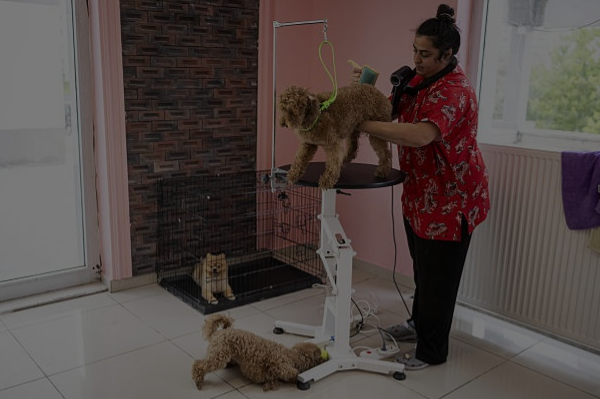
tiny terrier and a large retriever may need a bath, but that does not mean their grooming appointments should look identical. Size affects how a dog is handled, while coat type and temperament add their own considerations.
For owners comparing small dog grooming with large dog grooming, it helps to look beyond the amount of fur in the bathtub. The right approach should keep the dog comfortable and make grooming manageable for everyone involved. There is more to consider than appointment length or price. Keep reading to understand how bathing and brushing needs can differ between small and large breeds.
Key Takeaways
- Coat type determines brushing frequency more than body size alone.
- Small dogs often require careful handling during bathing and drying.
- Large dogs generally need more bathing space and grooming time.
- Double-coated breeds require thorough brushing and careful drying.
- Grooming schedules should reflect skin condition, lifestyle, and coat length.
Small Dog Grooming vs. Large Dog Grooming: Bathing and Brushing Differences
- Brushing Frequency and Coat Type
Small and large dogs can have very different brushing requirements, even when their coats appear similar.
Small breeds with continuously growing hair, such as Maltese and Yorkshire Terriers, often require daily brushing to prevent tangles. Short-coated breeds, including Beagles and Boxers, may need brushing once or twice weekly.
Meanwhile, large double-coated dogs, such as Golden Retrievers and German Shepherds, generally benefit from several brushing sessions each week, with increased attention during heavy shedding periods.
Consider these guidelines:
- Long, Silky Coats: Brush daily or as needed to prevent knots.
- Short, Smooth Coats: Brush weekly, adjusting for shedding.
- Double Coats: Brush several times weekly, more often during seasonal shedding.
The appropriate frequency depends on coat density, length, and condition rather than size alone.
- Bathing Frequency and Skin Needs
Both small and large dogs generally benefit from bathing when their coats become dirty, develop noticeable odors, or require veterinary-recommended treatment.
For many healthy dogs, bathing every 4 to 8 weeks can be a reasonable starting point, although individual needs vary considerably.
Small indoor dogs may stay relatively clean between appointments, while larger dogs that regularly explore muddy trails or swim outdoors may require more frequent washing.
However, unnecessary bathing can remove protective skin oils and contribute to dryness.
Use a dog-specific shampoo suited to your pet’s skin condition. If persistent itching, redness, or unusual odors develop, seek veterinary guidance rather than simply increasing bathing frequency.
- Bathing Equipment and Handling
Physical size affects how owners safely manage bathing sessions.
Small dogs can often be washed in an appropriately sized basin or bathtub fitted with a non-slip surface. Their lightweight bodies are easier to reposition, but careful support is necessary to prevent slipping or injury.
Larger breeds usually require more spacious washing areas, secure footing, and adjustable water equipment.
When arranging large dog grooming, check whether the facility provides:
- Spacious bathing stations.
- Nonslip flooring or bathing surfaces.
- Adjustable water temperature and pressure.
- Suitable restraints and safe handling equipment.
A professional dog-washing service can be particularly helpful when owners lack the space or equipment to bathe larger animals comfortably.
- Brushing Tools and Techniques
The right grooming tool depends primarily on coat characteristics, although equipment size can affect handling.
Small dogs with delicate coats may benefit from appropriately sized slicker brushes and fine-toothed combs. These tools help separate fine hair without applying unnecessary pressure.
In comparison, large dog grooming often requires wider brushes, suitable undercoat tools, and longer grooming sessions to manage thick or dense fur effectively.
Select tools according to these differences:
- Fine coats: Gentle brushes designed for delicate hair.
- Curly coats: Slicker brushes followed by careful combing.
- Dense undercoats: Appropriate undercoat rakes or deshedding tools.
- Smooth coats: Soft-bristle brushes or grooming mitts.
Avoid aggressive brushing or repeatedly scraping the same area, as either can irritate the skin.
- Drying Time and Coat Density
Drying requirements often create one of the biggest practical differences between smaller and larger dogs.
A small, short-haired dog may dry relatively quickly after thorough towel drying. However, a small breed with a thick or curly coat can require considerably more attention.
Large double-coated breeds typically take longer because moisture can remain trapped beneath the outer coat.
After bathing, gently remove excess water with absorbent towels. When using a dryer, select a pet-appropriate setting and keep airflow comfortable.
Professional large dog grooming appointments may involve specialized drying equipment to help remove moisture from dense coats.
Before finishing, check that the undercoat is adequately dry, particularly around the chest, neck, and hindquarters.
- Grooming Time and Scheduling
Appointment duration depends on coat condition, grooming tasks, and how comfortably the dog tolerates handling.
A small, short-coated dog may require a relatively brief session. A long-haired toy breed with tangles can take considerably longer to groom.
Similarly, bathing and brushing a large, dense-coated dog may require additional time for coat separation, rinsing, and drying.
When booking professional care, discuss:
- Your dog’s breed and coat condition.
- Whether dematting is necessary.
- The expected appointment duration.
- Breaks for anxious or senior dogs.
- Any additional bathing or brushing charges.
Providing accurate information helps groomers allocate sufficient time without rushing essential steps.
Conclusion
Small and large dogs have different grooming requirements, but coat type, lifestyle, and skin health remain more important than body size alone. Small breeds may need delicate handling and frequent detangling, while larger dogs often require spacious bathing areas, specialized equipment, and longer drying sessions.
A suitable routine combines brushing frequency, appropriate bathing intervals, and comfortable handling techniques. Professional large dog grooming can offer practical assistance when equipment or coat maintenance becomes challenging. By adjusting grooming methods to your dog’s individual needs, you can maintain a comfortable coat while making bathing and brushing more manageable.
FAQs
Does cat grooming require the same brushing tools as dog grooming?
Not always. Cat grooming requires tools suited to feline skin and coat characteristics, which may differ from those for canine grooming.
Can products designed for cat skin care be used on dogs?
Only when the manufacturer identifies them as dog-safe may cat skin care products be used; otherwise, they may have formulations unsuitable for canine needs.
Do large dogs shed more than small dogs?
Not necessarily. Shedding depends on breed, coat structure, and seasonal changes, although larger dogs may produce more total loose fur.
Should double-coated dogs be shaved during summer?
Generally, no. Their coats provide insulation and protection. Shaving should be reserved for appropriate medical or grooming circumstances.
How can owners prepare nervous dogs for grooming?
Introduce brushes gradually, reward calm behavior, practice brief handling sessions, and choose groomers experienced with anxious animals.