






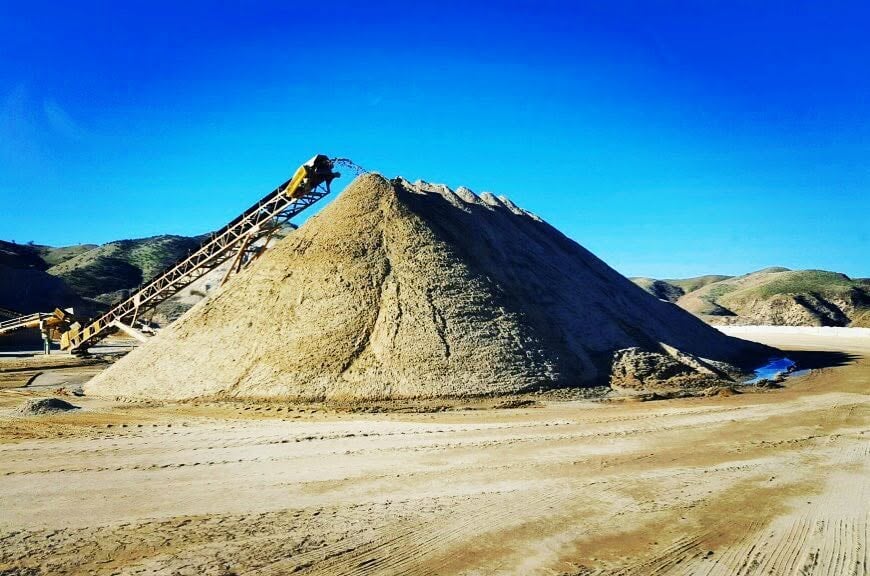
Concrete problems do not always start with poor workmanship. Sometimes, the trouble begins right inside the mix. A concrete surface may look perfectly fine during pouring, but later, small cracks, uneven patches, or weak spots can start showing up. One possible reason is an imbalance in aggregate sizes. When working with sand and gravel San Gabriel Valley construction projects, the proportion of fine and coarse particles can make a noticeable difference in how concrete behaves during mixing, pouring, and curing.
We often think of sand and gravel as simple materials, but they have different jobs. When their sizes are not properly balanced, the entire concrete mix can become harder to manage.
Why Sand and Gravel Gradation Matters
Sand fills the smaller spaces between gravel particles, while gravel creates the main structure within the concrete. When these materials are combined in the right proportions, they help form a compact mixture with fewer empty spaces.
But what happens when the particle sizes do not work well together?
The mix may become too coarse, too fine, or difficult to handle. Instead of forming a consistent blend, the materials may leave unwanted gaps or require extra water to achieve the desired consistency. Even a small adjustment in aggregate proportions can change how the concrete behaves on-site.
Too Much Sand Can Create a Sticky Mix
Adding extra sand might seem like a good way to make concrete smoother and easier to spread. In reality, too much fine material can make the mix sticky and increase its water demand.
Workers may find it harder to move, place, and finish the concrete. If additional water is added to improve workability without proper adjustment, the concrete may become more vulnerable to shrinkage and cracking as it dries.
It is a bit of a balancing act. A mix that feels easier to pour at first may create problems later if its proportions are not properly controlled.
Excess Gravel Can Cause Separation
Gravel is important for providing structure, but using too much coarse material can create another problem. When there is not enough sand to fill the spaces between larger particles, the mixture may become rough and uneven.
During handling or placement, larger stones can separate from the cement paste. This process is known as segregation. It may leave certain areas with concentrated gravel while other areas contain more cement paste and fine material.
The finished concrete may look inconsistent, and some sections may not have the same quality as others. Placing concrete in tight corners or around reinforcement can also become more difficult when the mixture is too coarse.
How Improper Gradation Affects Concrete Strength
Concrete needs its ingredients to work together rather than compete for space. Poorly balanced particle sizes can leave more voids inside the mixture, making it harder to achieve a dense structure.
Those empty spaces may require additional cement paste or water to fill them. If the mix is adjusted incorrectly, the finished concrete may experience reduced strength, uneven density, or durability issues.
For projects involving sand and gravel San Gabriel Valley, selecting suitable aggregate sizes is important for maintaining consistent mix performance. The right combination helps improve particle packing and reduces unnecessary adjustments during construction.
Workability and Finishing Become More Difficult
Ever tried working with concrete that refuses to spread evenly? It can slow down the entire job.
Poor gradation may make concrete too harsh, too sticky, or difficult to compact. Workers may struggle to move it into forms, fill narrow spaces, or create a smooth finish. When the mixture does not flow or compact properly, small pockets and surface imperfections may remain.
These problems can affect both the appearance and performance of the finished structure. Proper aggregate balance helps make concrete easier to handle without relying on excessive water.
How to Avoid Gradation Problems
A few practical steps can help prevent common mix problems:
- Check aggregate sizes: Make sure sand and gravel meet the gradation requirements for the intended application.
- Follow the mix design: Avoid changing aggregate proportions without understanding how the adjustment affects the mixture.
- Monitor moisture levels: Wet sand and gravel can change the total water content.
- Avoid adding excess water: Adjustments should follow the concrete mix requirements.
- Maintain consistency: Use aggregates with reliable sizing and quality throughout the project.
Getting the mix right from the beginning can save time, reduce waste, and help avoid unnecessary repairs.
Final Thoughts
Sand and gravel gradation may seem like a small detail, but it can affect nearly every stage of concrete work. Too much sand can make the mixture sticky, while too much gravel can create gaps and separation. Neither situation makes placement or finishing easy.
A properly balanced aggregate mix is easier to work with and helps support better concrete quality. Paying attention to particle sizes before mixing is a simple step that can make a big difference once the concrete is on the ground.
Frequently Asked Questions
- What is sand and gravel gradation in concrete?
Gradation refers to the range and distribution of particle sizes in sand and gravel. It determines how well the particles fit together within a concrete mix.
- What happens if there is too much sand in concrete?
Excess sand can increase water demand, make the mix sticky, and contribute to shrinkage or cracking if the mixture is not properly designed.
- Can too much gravel affect concrete quality?
Yes. Excess coarse aggregate can make the mix difficult to place, leave gaps between particles, and increase the risk of segregation.
- Does poor aggregate gradation reduce concrete strength?
It can. Poor gradation may create more voids, affect compaction, and require additional water or cement paste, potentially reducing concrete performance.
- How can improper sand and gravel gradation be corrected?
The aggregate proportions should be reviewed and adjusted according to the required mix design. Gradation testing and proper moisture control can help achieve a more consistent mixture.