






Introduction
Electrical systems need more than a basic indication of voltage or current to show how reliably power is being delivered. Disturbances such as voltage fluctuations, harmonics, unbalanced phases and poor power factor can affect equipment performance, operating costs and process stability. A Power Quality Meter helps engineers and facility teams measure electrical parameters, identify abnormal conditions and understand how power behaves over time. When readings are reviewed alongside suitable Power Monitoring Software, teams can turn measurement data into practical maintenance and energy-management decisions.
What Is a Power Quality Meter?
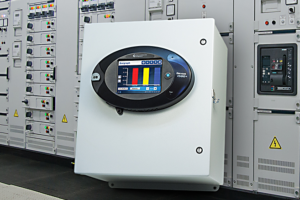
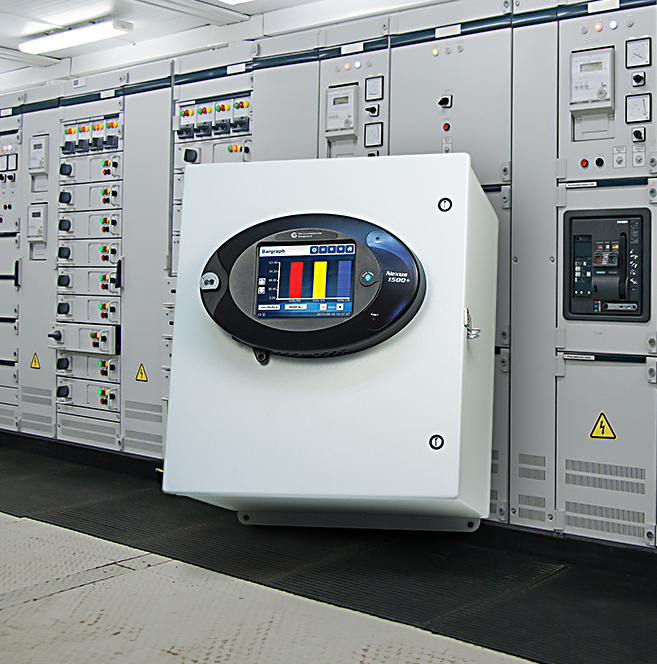
A Power Quality Meter is an electrical instrument designed to measure and record parameters that describe the quality of a power supply. Depending on its features, it may monitor voltage, current, frequency, active and reactive power, power factor, energy consumption, demand and harmonic distortion. Some models provide event records or waveform information that can help users investigate short-duration disturbances.
A meter selected for a simple three-phase distribution board may not provide all the analysis required for sensitive industrial processes or a detailed power-quality investigation.
Why Power Quality Matters
Power quality can influence the performance and life of motors, drives, automation equipment, computers and other electronic loads. Voltage dips may interrupt processes, harmonics can increase heating in some equipment, and poor power factor may contribute to avoidable electrical costs where utility tariffs apply. These issues can be intermittent, which makes continuous monitoring more useful than relying only on occasional spot checks.
A properly configured Power Quality Meter provides measured evidence to help teams distinguish a recurring electrical issue from a one-off event. It does not automatically fix a problem, but it can help maintenance staff decide when further investigation, equipment checks or corrective measures are warranted.
Key Parameters to Monitor
The most useful measurements depend on the facility and the problem being investigated. Voltage and current readings help identify loading patterns and unusual variations. Frequency and phase balance provide additional context for three-phase systems. Active power and energy measurements support cost allocation and consumption reviews, while reactive power and power factor can help identify inefficient operating conditions.
For sites with non-linear loads, harmonic measurements may be important. Harmonic distortion can be associated with variable-frequency drives, switched-mode power supplies, LED lighting and other electronic equipment. Demand data can also help facilities understand peak usage and evaluate whether operating schedules or load distribution should be reviewed. Before purchasing, list the parameters that matter for the installation and verify that the chosen meter can measure them with the required accuracy.
How Power Monitoring Software Adds Value
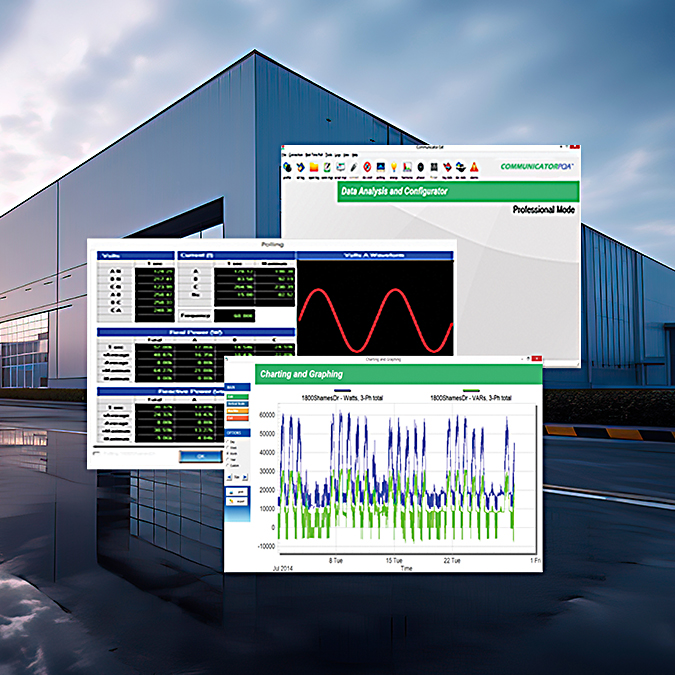
A meter becomes more useful when its readings can be collected, displayed and analysed consistently. Power Monitoring Software may provide dashboards, historical trends, alarms, reports and comparisons across circuits or sites, depending on the platform. These functions can help teams identify recurring peaks, compare consumption between shifts and investigate changes after equipment or process adjustments.
Software features and compatibility should be checked before implementation. Confirm supported communication protocols, integration options, data storage, user permissions, alarm configuration and report export capabilities. Also decide who will review alerts and how abnormal readings will be investigated. A monitoring platform is most effective when data is connected to a clear operating process rather than simply collected without follow-up.
Common Applications
Power-quality measurement is useful in manufacturing plants, commercial buildings, data centres, hospitals, utilities and facilities with critical electrical loads. In industrial environments, engineers may use readings to investigate unexpected equipment trips or assess electrical conditions around drives and automation systems. Building managers may review energy demand and power factor, while maintenance teams can use trend data to support troubleshooting and planned maintenance.
The requirements of each site differ. A facility concerned mainly with energy allocation may prioritise accurate energy readings and communication, whereas a site investigating harmonic distortion may need more advanced measurement and event-recording functions. Define the use case before selecting a device so the instrument and the supporting Power Monitoring Software match the actual task.
Choosing the Right Meter
Start by confirming the electrical system, including voltage level, number of phases, wiring configuration and installation environment. Then compare accuracy, measured parameters, display readability, data logging, communication options and compatibility with existing monitoring infrastructure. Consider whether the meter will be installed in a panel, used for troubleshooting or deployed as part of a wider facility-wide monitoring system.
Installation and safety are equally important. Electrical equipment should be selected and installed according to the system design and applicable standards, with work carried out by appropriately qualified personnel. Review the product documentation for wiring diagrams, current transformer requirements, isolation and environmental ratings. If the data will support billing or internal cost allocation, pay particular attention to the applicable metering requirements and accuracy specifications.
Turning Readings into Action
Measurement alone does not guarantee better performance. Establish a baseline, document normal operating conditions and set thresholds that are meaningful for the facility. When an alarm occurs, compare it with equipment status, operating schedules and previous readings. This context can help teams determine whether the event needs immediate attention or continued observation.
Use reports to track whether corrective work has improved the measured condition. For example, teams can compare voltage behaviour before and after maintenance or review demand trends after rescheduling non-critical loads. A consistent review process helps convert readings from a Power Quality Meter into useful operational knowledge.
Conclusion
A Power Quality Meter helps organisations understand electrical conditions by measuring parameters such as voltage, current, power factor, energy, demand and, where supported, harmonics. Choosing the right device and right supplier like Electro Industries starts with a clear understanding of the electrical system and the problem to be addressed. Pairing the instrument with compatible Power Monitoring Software can make trends, alarms and reports easier to use, provided the organisation has a defined process for reviewing the information. Accurate measurement, safe installation and regular analysis help facilities make better-informed decisions about power reliability and energy use.