




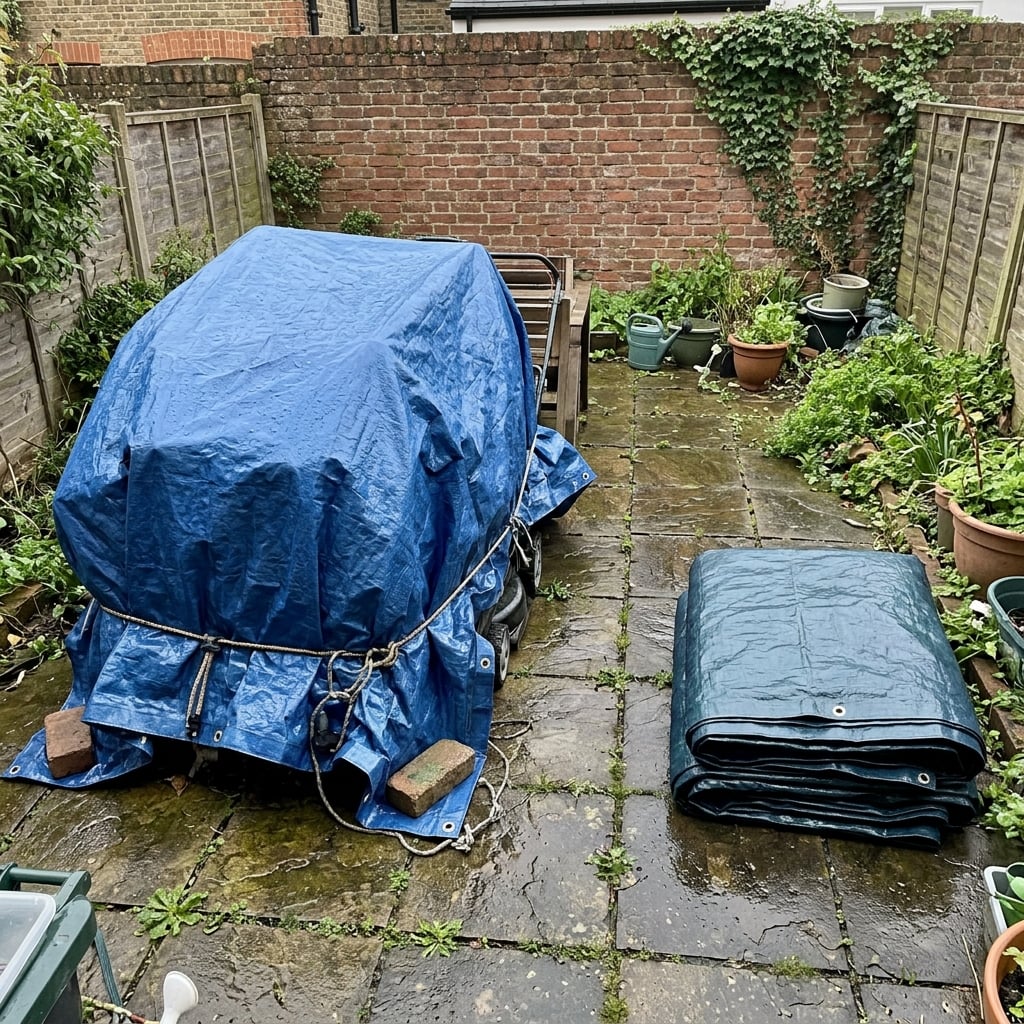
Protecting Outdoor Items From Rain
Robust outdoor covers can be used to shield valuable goods from the elements – rain, dust, wind, and sunlight. Ordinary householders, as well as industrial owners, put them to use for a variety of everyday tasks. Heavy Duty Tarpaulins are an easy, inexpensive solution to cover anything that’s stored, or used in a garden or industrial environment, and protect it from everyday wear.
Protection For Furniture And Garden Equipment
Garden furniture reaches the end of its top shape when rain and sun have beaten it for months. Wooden chairs break, tables rust. A good tarpaulin protects these items when not in use. It keeps a lawnmower and the gardening tools tidy. Garden owners can shelter bench seats, tables, mowers and all their outside equipment with just one useful sheet. Less cleaning. Less worry.
Keeping Building Materials Safe Outdoors
Materials may be stored in open areas at the construction sites. The rain can also affect cement bags, timber and other materials. Heavy Tarpaulins provide covers for these products and lessen their exposure to the harsh weather conditions. The construction laborers can use these covers to shield the pipes, building bricks, sand and equipment. The cover is suitable for keeping the storages tidy and cutting down wastages.
Covering Supplies At Construction Sites
Construction workers have to face the weather. One day it’s a perfect blue sky, the next you’re pummelling down with rain. The answer is a strong sheet. Workers can put it over whatever they have stored and tie the sides down with ropes or fixing points, taking care to leave the water to naturally drain away rather than collect on the sheet.
Defending Equipment And Work Gadgets
Industrial equipment is expensive – they are a huge investment. When machines are stored outside without protection, they’re at risk from rust, dirt, and other damage. Heavy industrial covers provide a barrier to rain and dirt. They’re ideal for factories or plants where they can be used to cover up everything from garage and workshop equipment to generators, pumps, and motors.
Protection of Equipment Over Breaks
Some machines are left for days or weeks. Dust and moisture build up on the surface during this period, which a cover can help to reduce. If your team cover up a machine, they should always clean the machine first. They should ensure the sheet doesn’t trap moisture and check no sharp edges are in contact with the material.
Setting Up a Temporary Outdoor Shelter
A robust sheet can enable you to construct a basic shelter in a yard or field. Householders may use it to provide a shaded area for a garden or storage. Industrial owners may want to install a temporary cover for staff or equipment. The sheet will provide effective shade and will stop light rain from reaching the things underneath.
Constructing Shelters For Garden Areas
A garden shelter provides somewhere to sit outdoors and enjoy the garden without having to take a punishing dose of sunlight all afternoon. Use a thick sheet as an immediate roof over a basic frame. Select an appropriate size and fix it secure to sound points of support. Maintain the roof at a slight slope to shed rainwater and inspect the frame after storms.
Covering Vehicles And Farm Equipment
Vehicles, vans, tractors, and other equipment can be left outside when owners have to leave them parked. Just the rain, dust, falling tree limbs, and bird droppings can play havoc with them. You may want to buy a big cover for your equipment. It will be protected from most outdoor hazards. Even farmers may want to use thick tarpaulins to cover up smaller farm machinery and tools.
Preserving Farm Supplies from Wet Weather
The more outside storage space the better. Farmers have livestock feed, tools, wood and other things stored in outdoor locations. A heavy cover shields these items from dirt and rain. As you can place it over hay or equipment when storing outdoors for a brief period, they can also use it to protect food and feed in appropriate containers. A cover won’t prevent every pest or potential source of moisture.
Handling Waste And Outdoor Storage
Workshops, factories and even the home generate waste that requires temporary outdoor storage. Use a heavy sheet to cover garden and other waste, scrap and so on until the bin day, to contain loose material within the space. This type of cover also minimises movement of loose material by the wind. It limits direct contact with rain. Keep waste clear of drains and roads.
Home Projects With Covers
There is usually lots of building waste scattered on the driveway or lawn after renovation work. Old planks, banged tiles, paint buckets, and tools require temporary shelter until the contractor has finished the work. A solid sheet offers these materials a covered area as well as ensuring the area remains tidier. Just be careful not to place any hot objects or sharp waste on it.
How To Select The Correct Sheet Size
The right size will depend on what it is you need to cover. A small sheet can cover tools in your garden; a larger one will cover a car or a shed of building materials. Measure the length and width before you buy and then add a little extra for tying around the edges. A good fit will keep it in place. Don’t estimate.
Review Material And Sidewall Strength
Material thickness can be very important when it’s used outside. Thicker sheets tend to be more durable so are better for heavier work, but the final decision depends on what you’re going to use the sheet for. Examine the eyelets, fixing points and edges before you buy. Durable eyelets will let you tie the sheet into place more easily.
Maintaining Your Outdoor Covers
Care for your covering to ensure it lasts a lifetime. Dirt, mud and water can become lodged when you have used sheets for a period of time outdoors. Rinse the surface with water when necessary using a soft cloth and then dry before folding and storing away. Avoid contact with knives, scissors and rough abrasive surfaces.
Storing Sheets in Between Uses
Intended for use when nobody’s going to want it: Remove dirt and allow it to dry out completely. Fold it up neatly and stow it somewhere dry and clean. Don’t store under heavy objects for extended periods. Look for weak spots or torn eyelets before reuse, it’s often possible to make temporary repairs before the damage extends.
Getting The Most Out Of Outdoor Covers
When it is a tough outdoor sheet, it can do a lot of jobs around the farm, workshop, or factory. For instance, it can provide furniture protection, safeguard machinery, cover building materials, and more. To find the best one for your job, consider the material, size, and conditions of use. Choosing the right one will save time and prevent damage.
Choosing A Cover For Everyday Needs
You don’t have to use the same sheet for each task. For example, a garden project might require a different gauge and size of sheet than an industrial storage project. Review the product details and select one that will work for the task. Fasten it carefully, and maintain it.