


A stable foundation is essential for the safety, durability, and structural performance of any residential or commercial property. However, changing soil conditions, excessive moisture, poor ground preparation, and natural settlement can gradually affect foundation stability. When these problems develop, property owners may notice cracks in walls, uneven floors, sticking doors, or visible movement around the foundation. Addressing these warning signs early can help prevent further structural complications. Working with experienced helical pier installation experts provides property owners with access to specialized foundation support methods designed to transfer structural loads into more stable soil layers. Helical piers offer a practical solution for certain foundation repair and new construction applications where conventional foundation support may not provide the required stability.
Choosing the right foundation contractor is equally important because successful installation depends on accurate assessment, suitable equipment, engineering considerations, and an understanding of local soil conditions. Property owners need more than a temporary repair; they need a foundation support strategy that addresses the underlying cause of movement. This is where helical pier installation experts can make a meaningful difference. Tar Heel Foundation Solutions provides foundation repair and stabilization services for residential and commercial properties throughout North and South Carolina. By evaluating individual structural conditions and recommending appropriate support methods, the company helps property owners make informed decisions about protecting their buildings and maintaining long-term structural performance.
Understanding Helical Pier Systems and Their Purpose
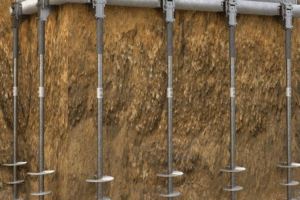
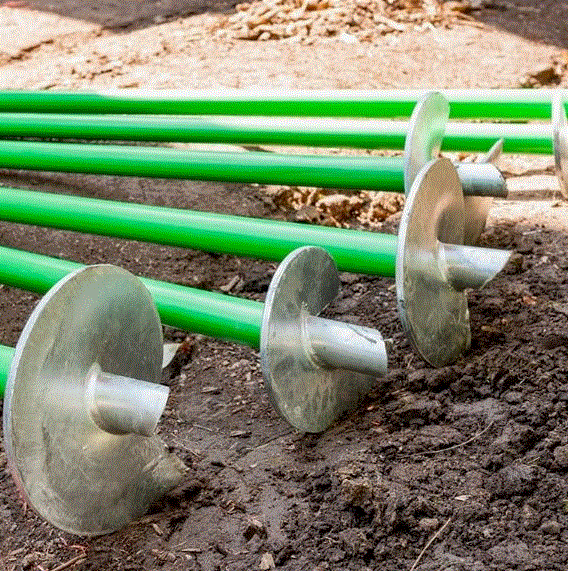
Helical piers are foundation support elements designed to transfer structural loads through unstable or weaker surface soils into deeper, more competent soil layers. They typically consist of steel shafts fitted with one or more helical plates that resemble screw-like blades. Specialized hydraulic equipment rotates the pier into the ground until the required installation criteria are achieved. Once installed, the pier can provide support for foundations, structural additions, and other suitable construction applications. Unlike conventional foundation systems that depend primarily on shallow soil conditions, helical piers can reach deeper layers capable of supporting the intended loads. Their suitability depends on soil characteristics, structural requirements, installation conditions, and engineering specifications. Understanding these factors helps property owners recognize why professional assessment is essential before selecting a foundation stabilization method.
Common Signs That a Property May Need Foundation Support
Foundation problems often develop gradually, making early identification particularly important. One common warning sign is the appearance of diagonal cracks around windows, doors, and wall corners. Other indicators include uneven flooring, doors that suddenly become difficult to open, gaps between walls and ceilings, and visible separation around exterior masonry. In some situations, homeowners may also notice cracks in foundation walls or changes in the alignment of structural components. Commercial buildings can experience similar concerns, particularly when soil conditions change beneath heavily loaded sections. Although these symptoms do not automatically confirm that helical piers are necessary, they indicate that a professional structural evaluation may be appropriate. Identifying the source of movement allows contractors and qualified professionals to determine whether foundation stabilization, drainage improvements, or another repair approach is required.
Why Professional Helical Pier Installation Experts Matter
Installing a helical pier system requires careful planning and technical knowledge. Before installation, professionals must consider soil composition, anticipated structural loads, foundation dimensions, access limitations, and the depth of suitable supporting soil. These factors influence pier selection, placement, installation procedures, and the overall stabilization strategy. Incorrect installation can compromise the intended support system, which is why experience and proper equipment matter. Helical pier installation experts understand the importance of following project specifications and monitoring installation conditions throughout the process. Tar Heel Foundation Solutions brings extensive construction and foundation repair experience to projects involving structural stabilization and related property concerns. Its experience across different building conditions helps support a practical approach to identifying foundation issues and evaluating suitable repair options.
Benefits of Helical Piers for Residential and Commercial Properties
Helical piers offer several advantages when they are appropriately selected for a foundation project. Their installation generally requires less excavation than some traditional foundation support approaches, which can be beneficial when working around existing buildings, landscaping, or restricted construction areas. Because the system can be installed using specialized hydraulic equipment, certain projects may progress without the extensive disturbance associated with larger excavation operations. Helical piers can also be considered for new construction, structural additions, and existing foundation stabilization. Another important advantage is that installation performance can be monitored through torque measurements, which provide information about resistance encountered during installation. However, final suitability and load capacity must be established through appropriate engineering and site-specific evaluation. These considerations make professional planning essential for achieving dependable results.
The Helical Pier Installation Process Explained
A successful installation begins with a detailed assessment of the property and its foundation concerns. Contractors review visible damage, examine site conditions, and consider the structural requirements of the affected building. Where necessary, engineering specifications and geotechnical information help determine the appropriate pier design and installation criteria. The installation team then prepares access points and uses specialized equipment to rotate the steel piers into the ground. Installation continues until the required depth and torque criteria are achieved according to the project specifications. Brackets or other approved connection components are then used to transfer the intended structural loads between the foundation and the pier system. Depending on the project, controlled lifting or stabilization may follow. Each stage requires careful coordination because the objective is to establish appropriate structural support without introducing unnecessary stress into the existing building.
Selecting the Right Foundation Contractor for Long-Term Stability
Choosing a foundation repair contractor should involve more than comparing prices or estimated completion times. Property owners should evaluate relevant construction experience, knowledge of local soil conditions, installation capabilities, inspection procedures, and communication practices. A dependable contractor should explain the suspected cause of foundation movement, discuss suitable stabilization options, and clarify what the proposed work will accomplish. It is also important to understand the project’s scope, engineering requirements, materials, and applicable warranty conditions before making a decision. Tar Heel Foundation Solutions offers foundation repair, stabilization, structural repair, and related services for properties across North and South Carolina. Its broader experience in addressing foundation and moisture-related concerns makes the company a consideration for property owners seeking professional guidance on structural problems.
Conclusion
Foundation stability plays a critical role in protecting buildings, maintaining property value, and supporting long-term structural performance. When soil movement or inadequate ground support affects a property, identifying the underlying problem is the first step toward selecting an effective repair strategy. Helical piers can provide a valuable foundation support option for suitable residential and commercial applications, provided the system is properly designed and installed according to project requirements. Working with experienced helical pier installation experts helps property owners understand their foundation concerns and evaluate appropriate stabilization methods. Tar Heel Foundation Solutions offers foundation repair and structural stabilization services throughout North and South Carolina, helping property owners address challenging foundation conditions with professional attention. Choosing an experienced contractor and investing in an appropriate foundation support strategy can contribute to a safer, more stable, and more durable property.