


Foundation walls play an essential role in supporting buildings and resisting pressure from the surrounding soil. However, excessive soil pressure, poor drainage, water accumulation, and changing ground conditions can cause foundation walls to bow, crack, or move inward. These problems can gradually affect structural stability and create concerns for homeowners and commercial property owners. Ignoring early warning signs may lead to more extensive repairs and additional property damage. Professional structural wall tieback installation offers a foundation stabilization approach designed to help secure affected walls against further inward movement. By connecting foundation walls to suitable soil anchors outside the structure, this method can provide additional resistance to lateral pressure and help restore stability in appropriate situations.
Property owners experiencing foundation wall movement need solutions that address the structural problem rather than simply covering visible cracks. Choosing an experienced foundation contractor is important because every property has different soil conditions, wall construction methods, drainage requirements, and structural demands. Professional structural wall tieback installation requires careful evaluation, suitable engineering specifications, and precise installation procedures to achieve the intended support. Tar Heel Foundation Solutions provides foundation repair and structural stabilization services for residential and commercial properties throughout North and South Carolina. Its experience in addressing foundation concerns helps property owners explore appropriate repair strategies based on their building’s specific condition.
Understanding Structural Wall Tieback Systems
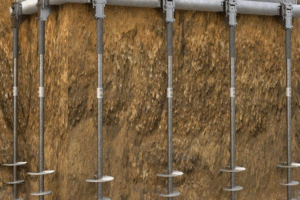
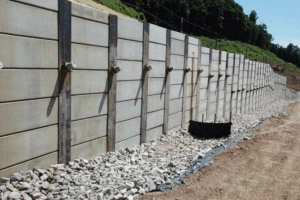
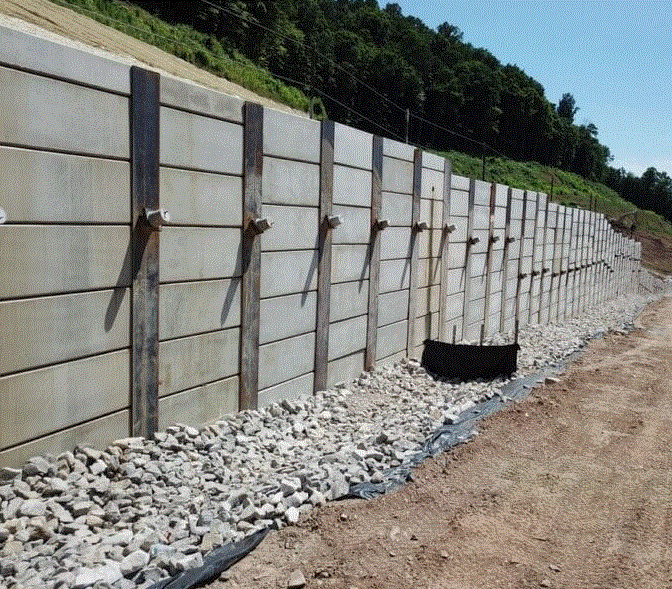
Wall tiebacks are specialized anchoring systems designed to provide additional support to foundation walls experiencing lateral soil pressure. A typical system includes an anchor installed in stable soil outside the affected structure and a connecting steel rod or tendon that transfers stabilizing force to the wall through an appropriate connection assembly. The system is designed to resist movement by creating a connection between the foundation wall and more stable ground beyond it. Tiebacks may be considered for basement walls, retaining structures, and certain other applications where lateral movement is a concern. Their suitability depends on soil composition, available installation space, wall condition, property boundaries, and engineering requirements. Understanding how these components work together helps property owners recognize why a properly designed anchoring system is important for long-term foundation performance.
Common Signs That Foundation Walls Need Stabilization
Foundation wall problems often begin with subtle changes that become more noticeable over time. Horizontal cracks are an important warning sign because they may indicate that soil pressure is pushing against the wall. Other indicators include inward wall movement, stair-step cracking in masonry, separation around basement windows, and gaps between walls and connected structural components. Some homeowners may notice that previously straight basement walls have developed a visible curve or that cracks are becoming wider. Water intrusion can also accompany foundation problems, particularly when drainage systems allow moisture to accumulate around the foundation. Although these symptoms do not automatically mean that tiebacks are required, they should not be ignored. A professional inspection can help determine whether the wall needs anchoring, reinforcement, drainage improvements, or a different structural repair approach.
Why Professional Structural Wall Tieback Installation Matters
Foundation stabilization requires an understanding of structural loads, soil behavior, anchor capacity, and the condition of the existing wall. Improperly selected or installed anchors may fail to provide the intended resistance, potentially allowing movement to continue. Professional contractors work with appropriate engineering requirements to determine whether a tieback system is suitable and how it should be configured for the property. Structural wall tieback installation involves more than placing an anchor in the ground; the connection must be compatible with the wall construction and capable of transferring the required forces. Site access, underground utilities, nearby structures, and property boundaries must also be considered before work begins. Tar Heel Foundation Solutions brings extensive construction and foundation repair experience to structural stabilization projects, helping property owners understand their options and the importance of addressing underlying foundation conditions.
Benefits of Wall Tieback Systems for Foundation Stability
When properly designed and installed, wall tieback systems can offer several practical advantages for suitable foundation conditions. They provide additional resistance against lateral soil pressure and can help limit further inward movement of affected walls. In certain situations, they may also be used as part of a broader repair strategy intended to stabilize existing foundation structures. Another potential advantage is that installation can sometimes be completed without extensive interior excavation, depending on site conditions and access requirements. This may help reduce disruption to finished basement areas and surrounding property features. However, tiebacks are not appropriate for every foundation problem. Severely deteriorated walls, unsuitable soil conditions, restricted anchor placement, or other structural concerns may require alternative reinforcement methods. A thorough evaluation helps determine whether wall anchors represent a practical and technically appropriate solution.
Important Factors to Consider Before Installing Wall Anchors
Before beginning a foundation stabilization project, property owners should understand the factors that influence anchor performance and installation suitability. Soil composition is particularly important because the anchor must develop adequate resistance in the surrounding ground. The depth and location of buried utilities, nearby foundations, property boundaries, and available exterior access can also influence the installation plan. Contractors must evaluate the existing wall’s material, thickness, condition, and degree of movement before recommending a specific system. Drainage deserves attention as well because excessive water pressure can contribute to foundation wall problems. Improving grading, gutters, and drainage conditions may be necessary alongside structural reinforcement. Engineering recommendations, project specifications, installation documentation, and warranty details should be discussed before work begins so that property owners understand the proposed repair and its expected performance.
Choosing the Right Foundation Repair Company
Selecting a reliable foundation contractor is an important decision because structural repairs directly affect the safety and performance of a building. Property owners should look for relevant experience, knowledge of local soil conditions, appropriate installation capabilities, and a clear inspection process. A professional contractor should explain the cause of the wall movement, discuss available stabilization methods, and identify any additional drainage or structural concerns. Tar Heel Foundation Solutions provides foundation repair, structural stabilization, and related services for residential and commercial properties throughout North and South Carolina. Its experience with foundation and structural concerns makes it a company worth considering when evaluating options for damaged or moving foundation walls. Clear communication, appropriate technical planning, and realistic repair recommendations should remain priorities throughout the project.
Conclusion
Foundation wall movement is a serious property concern that deserves timely professional attention. Horizontal cracking, inward bowing, and increasing structural separation can indicate excessive pressure or inadequate support that should be evaluated before the damage progresses. Properly designed wall tieback systems can provide additional resistance against lateral forces and help stabilize suitable foundation walls. Choosing experienced professionals for structural wall tieback installation ensures that soil conditions, structural requirements, drainage concerns, and installation limitations receive appropriate consideration. Tar Heel Foundation Solutions offers foundation repair and structural stabilization services throughout North and South Carolina, helping homeowners and businesses explore practical approaches to protecting their properties. Investing in a properly evaluated foundation repair strategy is an important step toward maintaining structural stability, protecting property value, and supporting long-term building performance.