



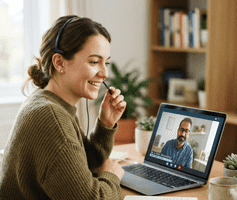





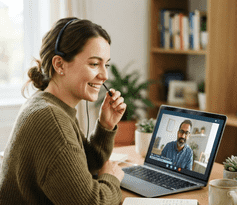
Not long ago, getting psychiatric care meant taking time off work, sitting in a waiting room, and hoping your appointment ran on schedule. For many people, that hassle was enough to keep them from asking for help at all. Today, a virtual psychiatrist can meet you on a secure video call from your living room, your parked car, or a quiet corner of your office.
That convenience raises an obvious question. Is care delivered through a screen actually as good as care delivered in a clinic? When the conditions involved are anxiety and depression, which affect how people think, sleep, work, and relate to others, the answer matters a great deal.
The short version is encouraging. Research and clinical experience have consistently shown that virtual psychiatry can be an effective way to treat both anxiety and depression for most adults. This article looks at what the evidence suggests, why the format works, where it has limits, and how to get the most out of it.
What the Evidence Says About Virtual Psychiatry
Telepsychiatry is not a brand-new idea. Remote mental health care has been studied for years, and its use expanded dramatically once video visits became widely accepted. Across many studies, patients treated through video-based psychiatric care have shown improvements in symptoms that are comparable to those seen with traditional in-person visits.
For depression, studies of remote care have generally found meaningful reductions in symptom severity, better treatment adherence, and high rates of patient satisfaction. For anxiety disorders, including generalized anxiety and panic symptoms, remote treatment has also shown solid results, especially when medication management is combined with therapy or structured coping strategies.
It helps to understand why the format holds up. A psychiatric visit relies mainly on conversation, careful observation, and clinical judgment. A virtual psychiatrist can listen to how you describe your symptoms, watch your facial expressions and body language, ask follow-up questions, review your history, and adjust a treatment plan. None of those core tasks require a physical exam table. The quality of the clinician and the quality of the relationship matter far more than the building where the appointment happens.
It is also worth noting that results depend on the individual. Mild to moderate anxiety and depression tend to respond especially well to virtual care. People with more complex or severe presentations may need a blend of remote and in-person support, which a good provider will recommend when the situation calls for it.
Why Virtual Care Often Improves Follow-Through
A treatment plan is only effective if a person actually follows it. This is where a virtual psychiatrist can offer a real advantage over traditional clinics.
Removing everyday barriers
Anxiety and depression can make ordinary tasks feel heavy. Driving across town, finding parking, and sitting in a crowded lobby can feel like too much when your energy is low or your worry is high. Virtual visits remove many of those obstacles. Fewer missed appointments means more consistent care, and consistency is one of the strongest predictors of improvement.
Reaching people who were underserved
Many communities have a shortage of psychiatrists. People in rural areas, small towns, or regions with long wait times often struggle to find a specialist at all. Remote care widens access by connecting patients with clinicians who may be hundreds of miles away. For parents, caregivers, shift workers, and people with limited mobility, the ability to attend an appointment from home can be the difference between getting treatment and going without.
Lowering the stigma barrier
Some people avoid mental health care because they worry about being seen entering a psychiatric office. Meeting with a virtual psychiatrist in a private space can feel safer and less exposing. For someone who has never sought help before, that lower threshold can make the first step much easier to take. Starting care earlier often leads to better outcomes, so anything that reduces hesitation is valuable.
Comfort in a familiar setting
Speaking about painful feelings is easier for many people when they are in a place where they feel secure. Being in your own home can help you relax, open up, and give a more honest picture of how you are doing. A clinician who gets an accurate picture can make better decisions about diagnosis and treatment.
How a Virtual Psychiatrist Treats Anxiety and Depression
Effectiveness is not just about the technology. It comes from what happens during the care itself. A qualified virtual psychiatrist follows the same clinical standards as any other psychiatrist, and the treatment process generally looks familiar.
Thorough evaluation
The first visit typically involves a detailed conversation about your symptoms, how long they have lasted, your medical and family history, your sleep, your daily functioning, and any other stressors in your life. The goal is to understand the full picture, since anxiety and depression often overlap with other conditions or with physical health concerns.
Medication management
Many people with anxiety and depression benefit from medication, and prescribing is a core part of psychiatry. A virtual psychiatrist can evaluate whether medication is appropriate, discuss benefits and side effects, and prescribe when it is clinically suitable, within the rules that apply in your state or region. Follow-up visits are usually shorter and more frequent early on, which allows adjustments to be made quickly. Because these check-ins are easy to schedule from home, people are more likely to report side effects or concerns before they become reasons to stop treatment.
Combining medication with lifestyle and therapy support
Medication is often one piece of a larger plan. A thoughtful provider will talk with you about sleep habits, physical activity, alcohol use, stress management, and social support. Many will also coordinate with therapists or recommend structured approaches such as cognitive behavioral strategies. Virtual care makes this kind of collaboration easier, since records and communication can move smoothly between providers.
Ongoing monitoring
Anxiety and depression are not static. They shift with life events, seasons, and stress. Regular virtual appointments make it simple to track progress, notice early warning signs of a setback, and fine-tune the plan. Some practices also use symptom questionnaires between visits, which gives both you and your clinician a clearer view of how treatment is working.
Limitations and Who May Need More Support
An honest look at virtual psychiatry has to include its limits. Being realistic about them actually builds trust in the format.
Virtual care is not designed for emergencies. If someone is in immediate danger or experiencing thoughts of harming themselves, they need urgent in-person help or a crisis service right away. A responsible virtual psychiatrist will explain how to handle emergencies and will have a safety plan in place for patients who need one.
Some conditions and situations also benefit from physical assessment or closer supervision. Certain severe presentations, complex medical conditions, or situations requiring lab work may call for in-person visits alongside remote ones. A good provider will say so plainly rather than forcing every case into a single format.
Technology can be a hurdle too. A stable internet connection and a private space are important. Not everyone has both, and that can affect the quality of a session. If privacy at home is limited, it is worth planning ahead, such as scheduling a time when others are out or using headphones in a quiet room.
Finally, the strength of the relationship still matters. Some people simply feel more connected in person. If a virtual setting does not feel like a good fit after a few visits, it is reasonable to talk with your provider about adjustments or alternatives.
Tips for Getting the Best Results From Virtual Psychiatry
You can improve your experience and your outcomes with a few simple habits.
Choose a licensed provider and confirm credentials, including board certification and licensure in your state. Prepare for each visit by writing down your symptoms, questions, and any changes in sleep, appetite, or mood. Test your technology beforehand so you are not rushed or distracted at the start of your appointment. Be as honest as you can, even about things that feel embarrassing, since clinicians have heard it all and honesty leads to better care. Take medication exactly as prescribed and talk with your provider before changing anything. Finally, keep your follow-up appointments, because steady contact is one of the best ways to see lasting progress.
Conclusion: Effective Care Can Start From Where You Are
So, how effective is virtual psychiatry in treating anxiety and depression? For most adults, the answer is very effective. A skilled virtual psychiatrist can evaluate your symptoms, build a personalized plan, manage medication, and monitor your progress, all with the added benefits of easier access, greater privacy, and fewer scheduling headaches. The research supports this approach, and many patients find that the convenience helps them stay engaged long enough to feel real improvement.