







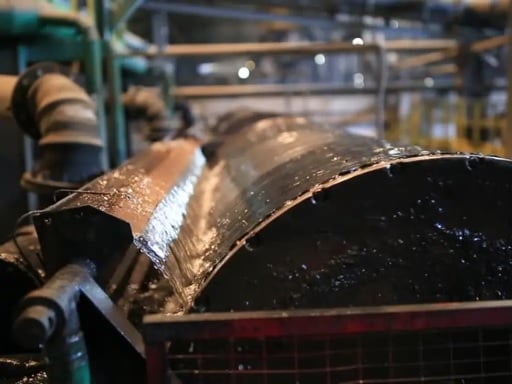
In most manufacturing processes, metal contamination is a serious problem. If even a small iron or steel fragment enters raw materials during transportation, processing, mixing, grinding, or other stages of manufacturing, it can affect product quality, damage processing equipment, and create safety concerns.
To control this metal contamination, most industries use magnetic separation equipment provided by trustworthy magnetic separator manufacturers.
In this guide, let’s understand how magnetic separation helps manufacturers meet metal contamination control standards.
Understanding Metal Contamination in Manufacturing
Metal contamination occurs when unwanted metallic particles become mixed with raw materials, intermediate products or finished goods. These particles may originate from worn machinery, damaged components, conveyor systems, tools or material-handling equipment.
The impact depends on the industry and the type of product being manufactured. In food and pharmaceutical production, metal fragments can create product safety concerns. In mining, cement and other heavy industries, contaminants can damage crushers, grinders, pumps and other processing equipment.
To remove these contaminants, magnetic separators like an excavator magnet are used.
How Magnetic Separation Works
Magnetic separation uses magnetic force to attract and remove ferrous materials, such as iron and certain steel particles, from a material stream.
When raw materials pass through or near a magnetic separator, the magnetic field attracts susceptible metal particles. These particles are retained or diverted away from the main product flow, allowing the cleaner material to continue through the production process.
Magnetic separation can be integrated into different production stages, helping manufacturers control contamination before it reaches sensitive equipment or the final product.
How Magnetic Separation Supports Contamination Control Standards
There are several ways through which magnetic separation supports contamination standards in manufacturing:
-
Improving Product Purity
The first way magnetic separation support contamination control standards is by improving product purity. They remove unwanted ferrous particlesto help manufacturers maintain cleaner raw materials and finished products.
-
Protecting Processing Equipment
Metal fragments can cause wear, blockages and damage to equipment. Removing them prior to them reaching the sensitive machinery will help to reduce unplanned downtime, maintenance and repair costs.
-
Supporting Quality Control Procedures
Magnetic separators can be incorporated at various points in the production line (material inlets, conveyors, hoppers, liquid lines etc.) thereby providing further opportunities to control contamination prior to the material reaching the point of critical processing.
-
Helping Reduce Product Rejections
Metal contamination can lead to rejected batches, rework or product recalls. Effective magnetic separation helps reduce the risk of ferrous contamination and supports more consistent manufacturing quality.
-
Supporting Industry-Specific Requirements
Magnetic separation can form part of a broader quality and safety system, including documented inspection, cleaning and maintenance procedures.
Though it is important to understand that magnetic separation alone cannot guarantee compliance with every metal contamination standard.
Choose the Right Magnetic Separation System
You need to select the right magnetic separator for a better result of magnetic separation in your production process. Here are some points that every manufacturer should consider to buy the right separator:
- Material type: Whether the process handles dry bulk materials, powders, granules, liquids or slurries.
- Contaminant characteristics: The size, quantity and magnetic properties of the metal particles.
- Material flow rate: The volume of material passing through the system.
- Magnetic strength: The magnetic field required to capture the contaminants effectively.
- Installation environment: Available space, conveyor arrangement, operating conditions and cleaning requirements.
- Maintenance needs: Accessibility for cleaning, inspection and servicing.
The right separator will fit in with your existing equipment and withstand your working environment, because such a selected separator will provide a consistent performance than equipment selected solely on the basis of magnetic strength.
Reliable Magnetic Separation Solutions from Electro Flux Equipments
If you are looking for reliable magnetic separators then you need trustworthy manufacturers who provide these separators. Electro Flux Equipments is the leading magnetic separator manufacturer. They provide a wide range of products to make bulk material handling processes easy and effective.
Their magnetic separator range include magnetic drum separators, magnetic roll separators, magnetic grills and housing units, and liquid line magnetic separators. Furthermore, they are constructed of robust material to withstand heavy use and working conditions.
They also provide installation, technical support, and after-sales services to help their clients even after the supply of the product.
Conclusion
Metal contamination control requires more than installing a magnetic separator. Manufacturers need to identify potential contamination sources, select equipment suited to their materials, establish regular cleaning and inspection routines, and verify that their systems continue to perform as intended.
If you are looking for a reliable magnetic separator, get in touch with Electro Flux Equipments. They customise their products to meet the client’s requirements.