







Why dependable heating matters in Central Texas
Leander residents may associate Central Texas with long, hot summers, but winter cold snaps can still make a reliable heating system essential. When a furnace or heat pump struggles to maintain a comfortable temperature, the issue can affect sleep, work, and everyday routines. Scheduling heating repair leander service when warning signs first appear can help homeowners understand what is happening and avoid leaving a small fault unresolved until the next cold spell.
Recognise the warning signs early
A heating system rarely stops working without giving some indication that its performance has changed. Rooms may take longer to warm up, the thermostat may seem inaccurate, or the system may cycle on and off more frequently than usual. Unusual rattling, buzzing, or scraping sounds can also point to a component that needs attention. A sudden increase in energy use, persistent dust, or air that feels cooler than the thermostat setting may justify a professional inspection.
Changes in airflow and temperature
Start by checking that supply and return vents are open and not blocked by furniture, rugs, or curtains. A dirty filter can restrict airflow and make equipment work harder, so inspect it according to the manufacturer’s guidance. If the filter is clean and vents are unobstructed but temperatures remain uneven, the cause may involve ductwork, controls, a blower component, or the heating equipment itself.
Sounds, smells, and repeated cycling
A brief operating sound is not always a problem, but new or persistent noises should not be ignored. Repeated short cycles can indicate a thermostat issue, airflow restriction, or equipment fault. If you smell gas, leave the building and contact the gas utility or emergency services from a safe location. Do not attempt to diagnose or repair a suspected gas leak yourself.
What a professional repair visit should cover
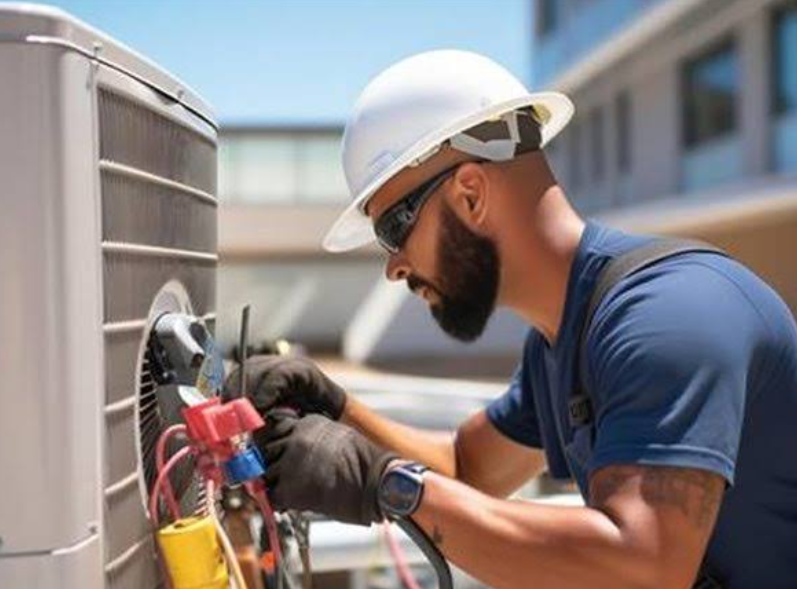
A useful service visit begins with questions about the symptoms, when they occur, and whether anything changed before the problem started. The technician can inspect the thermostat, filter, electrical connections, safety controls, and relevant heating components, depending on the system type. The goal is to identify the cause rather than replace parts based on guesswork. Ask the technician to explain the diagnosis, the recommended work, and any options available before authorising repairs.
Why maintenance can reduce unexpected problems
Routine maintenance gives a technician an opportunity to look for wear, verify safe operation, and identify issues that could affect performance. Homeowners can support this work by replacing filters on schedule, keeping equipment areas clear, and making sure outdoor heat-pump units have adequate clearance. Maintenance cannot prevent every breakdown, but it can improve the chance of finding developing problems before the system is needed most.

Choosing the right time to call
Do not wait for a complete shutdown if the system is struggling to heat the home. An early appointment may give you more time to compare recommendations and plan the work. If the equipment repeatedly trips a breaker, produces a burning smell, or behaves unpredictably, turn it off when safe and seek professional advice. Avoid opening electrical panels or removing safety covers unless you are qualified to do so.
Comfort depends on the whole home
Heating performance is influenced by more than the unit alone. Air leaks around doors and windows, insufficient insulation, blocked vents, and poorly balanced ductwork can contribute to cold rooms. Simple measures such as sealing obvious drafts and using window coverings can help maintain comfort, while a technician can advise whether airflow or duct issues warrant further investigation.
Finding support for Austin-area heating needs
Leander homeowners may also compare providers offering heating system repairs in austin when looking for help across the wider area. Choose a company that communicates clearly, explains the diagnostic process, and provides written details of recommended work and pricing. Ask about relevant experience with your equipment type and whether the proposed repair addresses the underlying cause.
Prepare your system before the next cold front
Before winter weather arrives, test the thermostat, replace a dirty filter, and listen for changes during a normal heating cycle. Keep the equipment manual and service history accessible so you can share useful information if a problem develops. If the system is older or has needed frequent repairs, ask a qualified technician to discuss its condition and the relative costs of continued repairs versus replacement.
How to prepare for a service appointment
Before the appointment, note the thermostat setting, the approximate indoor temperature, and how long the system runs before the home begins to feel comfortable. If the problem occurs only at certain times, such as overnight or during a particularly cold morning, share that pattern with the technician. Keep children and pets away from equipment while it is being inspected, and make sure the technician can safely reach the indoor unit, thermostat, and outdoor equipment where applicable. These practical steps make it easier to discuss the issue and reduce delays during the visit. After the repair, ask what signs would indicate that the problem has returned and whether any follow-up checks are recommended. Keep the invoice and service notes with the equipment manual so future technicians can see what was previously inspected or replaced.
Ask about the repair and its cost
Before approving work, ask which part or condition caused the failure and whether the proposed repair is expected to address the symptoms described. Request a breakdown of parts and labour, and check whether diagnostic fees are included in the estimate. If a repair depends on ordering a part, ask about the likely timeline and whether the system can be operated safely while waiting. Clear answers help you plan without relying on assumptions.
Conclusion
A dependable heating system supports safety and comfort when temperatures fall unexpectedly. Paying attention to early warning signs, maintaining clear airflow, and arranging a professional diagnosis can help Leander households respond before a minor issue becomes a major disruption. Austin Express can be part of that planning process by helping homeowners understand their heating concerns and the practical steps available for restoring reliable operation.