





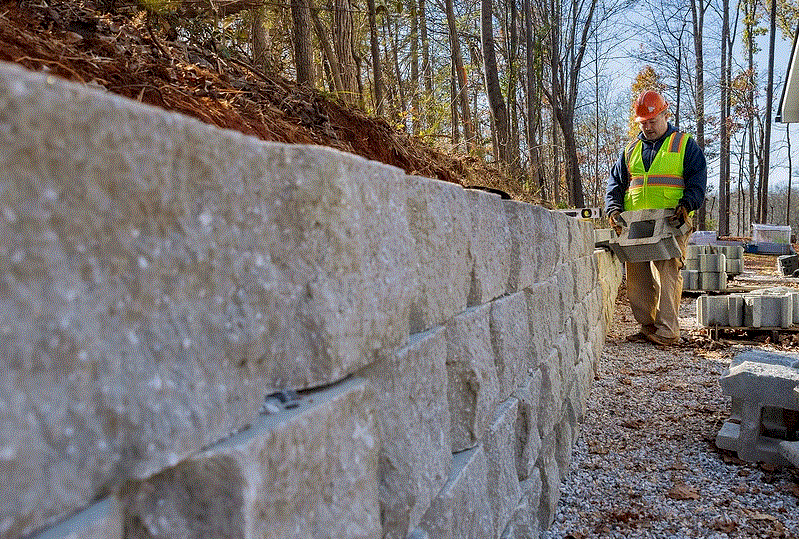
Retaining walls play an important role in protecting properties from soil movement, managing elevation differences, and maintaining stable outdoor spaces. They are commonly used around residential landscapes, commercial developments, driveways, gardens, and sloped properties. However, continuous soil pressure, poor drainage, water accumulation, and changing ground conditions can gradually weaken these structures. Over time, property owners may notice cracks, leaning sections, bulging surfaces, or visible separation between wall components. Ignoring these warning signs can lead to more serious structural damage and costly restoration work. Professional retaining wall structural repair helps address these concerns by identifying the underlying causes of deterioration and restoring the wall’s ability to provide appropriate support.
Maintaining a structurally sound retaining wall requires more than improving its external appearance. Property owners need repair strategies that consider soil conditions, drainage performance, wall construction, and the forces acting against the structure. Choosing an experienced contractor is essential because different retaining walls require different stabilization and reinforcement methods. Professional retaining wall structural repair can help homeowners and businesses address existing damage while reducing the risk of continued movement. Tar Heel Foundation Solutions provides foundation repair and structural stabilization services for residential and commercial properties throughout North and South Carolina, helping property owners evaluate structural concerns and explore suitable repair options.
Understanding the Importance of Retaining Wall Stability
Retaining walls are designed to resist lateral pressure from the soil and maintain different ground elevations. Depending on their construction, they may be built using concrete, reinforced concrete blocks, natural stone, timber, or other structural materials. Their performance depends on proper design, adequate foundations, suitable backfill, and effective drainage. When one or more of these elements becomes compromised, the wall may begin to shift or deteriorate. For example, saturated soil can create additional pressure behind a wall, while inadequate foundation support may contribute to settlement. Understanding how these factors interact is important because visible damage often represents a deeper problem. A professional evaluation helps determine whether the structure requires localized repairs, reinforcement, drainage improvements, or more extensive reconstruction.
Common Warning Signs of Retaining Wall Damage
Identifying structural problems early can help property owners prevent further deterioration. One of the most noticeable warning signs is a wall that begins leaning forward or developing a visible outward bulge. Horizontal and vertical cracks may also indicate stress, settlement, or movement within the structure. Other concerns include separated wall sections, displaced masonry blocks, deteriorating mortar joints, and water seeping through unexpected locations. In some situations, soil may begin accumulating or washing out around the wall’s base, suggesting that drainage or ground support has been compromised. Property owners should pay particular attention to changes that develop over time, such as cracks becoming wider or previously straight wall sections becoming uneven. These symptoms deserve professional assessment because they may indicate that the retaining wall is no longer providing adequate support.
Why Professional Retaining Wall Structural Repair Matters
Retaining wall repairs require an understanding of structural behavior, soil pressure, drainage systems, and foundation conditions. Simply filling cracks or replacing displaced blocks may not resolve the problem if excessive water pressure or inadequate ground support remains. Professional contractors evaluate the entire affected structure to understand why the movement occurred and what measures may be required. Retaining wall structural repair may involve reinforcement, stabilization, drainage improvements, foundation support, or partial reconstruction, depending on the wall’s condition. Tar Heel Foundation Solutions brings extensive construction and foundation repair experience to projects involving structural concerns and property stabilization. Its experience helps property owners understand the importance of addressing underlying problems rather than relying exclusively on temporary surface improvements. Selecting an appropriate repair method can help improve structural performance and reduce the possibility of recurring damage.
The Role of Proper Drainage in Retaining Wall Performance
Water management is one of the most important factors affecting retaining wall durability. When rainwater or groundwater accumulates behind a wall, it can increase pressure against the structure and contribute to movement or cracking. Poor surface grading, blocked drainage outlets, damaged pipes, and unsuitable backfill materials may make these problems worse. Effective drainage systems help manage water movement and reduce the amount of pressure that builds up behind the wall. Depending on the design, appropriate measures may include drainage aggregates, perforated pipes, drainage outlets, and improvements to surface water management. However, existing drainage arrangements should be evaluated before modifications are made. A professional inspection can help identify whether water accumulation is contributing to structural damage and determine which improvements are appropriate for the property’s conditions.
Choosing the Right Repair Method for Your Retaining Wall
Not every damaged retaining wall requires complete replacement. The appropriate repair strategy depends on the wall’s construction material, height, foundation condition, degree of movement, soil characteristics, and intended purpose. Minor deterioration may be addressed through localized masonry repairs, while more significant structural movement could require reinforcement or engineered stabilization. Some walls may also need improvements to their drainage systems or additional foundation support. Property owners should avoid selecting a repair method based solely on visible damage because the underlying cause may extend beyond the affected area. A detailed assessment helps establish whether the wall can be restored safely or whether partial or complete reconstruction is necessary. Understanding the available options also allows property owners to make better decisions about project scope, maintenance requirements, and long-term performance.
Benefits of Timely Retaining Wall Restoration
Addressing retaining wall problems promptly can provide several important property benefits. A properly repaired wall can help maintain soil support, preserve usable outdoor space, and reduce concerns associated with continued structural movement. It may also help protect nearby landscaping, walkways, driveways, and other property features from damage caused by shifting soil. For commercial properties, maintaining stable retaining structures can support safer access and better site functionality. Timely repairs may also reduce the likelihood of more extensive restoration work when deterioration is identified at an earlier stage. However, the results depend on selecting a suitable repair method and correcting contributing conditions such as inadequate drainage or unstable soil. Regular inspections and appropriate maintenance can further help property owners identify developing concerns before they become more difficult to manage.
Conclusion
Retaining walls are essential structures for managing soil pressure, supporting elevated ground, and protecting residential and commercial landscapes. Cracks, leaning sections, bulging surfaces, and drainage problems should never be ignored because they may indicate deeper structural concerns. Choosing the right repair strategy requires a careful evaluation of wall construction, soil conditions, foundation support, and water management. Professional retaining wall structural repair can help restore suitable structures and address the underlying factors contributing to damage. Tar Heel Foundation Solutions offers foundation repair and structural stabilization services throughout North and South Carolina, making the company worth considering when evaluating property-related structural concerns. Investing in professional assessment and appropriate restoration can help protect your retaining wall, maintain property functionality, and support long-term structural stability.