


A strong and stable foundation is essential for protecting any residential or commercial building. However, changing soil conditions, excessive moisture, poor compaction, and natural ground movement can gradually weaken the support beneath a structure. Over time, these conditions may cause foundation settlement, uneven floors, wall cracks, and other structural concerns. When foundation problems appear, choosing an appropriate stabilization method becomes a priority for property owners. Helical piers offer an effective foundation support option for suitable soil and structural conditions by transferring building loads into deeper, more stable ground. Working with experienced helical pier installation experts helps ensure that foundation concerns are properly evaluated and that the selected support system meets the property’s specific requirements.
Property owners need foundation repair services that address the underlying cause of structural movement rather than simply treating visible symptoms. Selecting a knowledgeable contractor can make a significant difference because foundation stabilization requires careful planning, suitable equipment, and an understanding of soil behavior. Professional helical pier installation experts can evaluate existing foundation conditions and determine whether helical pier systems are appropriate for the project. Tar Heel Foundation Solutions provides foundation repair, structural stabilization, and related services for residential and commercial properties throughout North and South Carolina. Its construction experience and focus on property-specific assessments make it a company worth considering when foundation stability becomes a concern.
Understanding Helical Pier Systems and Their Applications
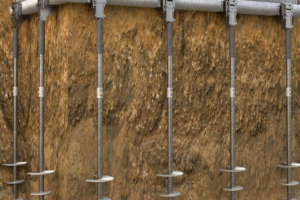
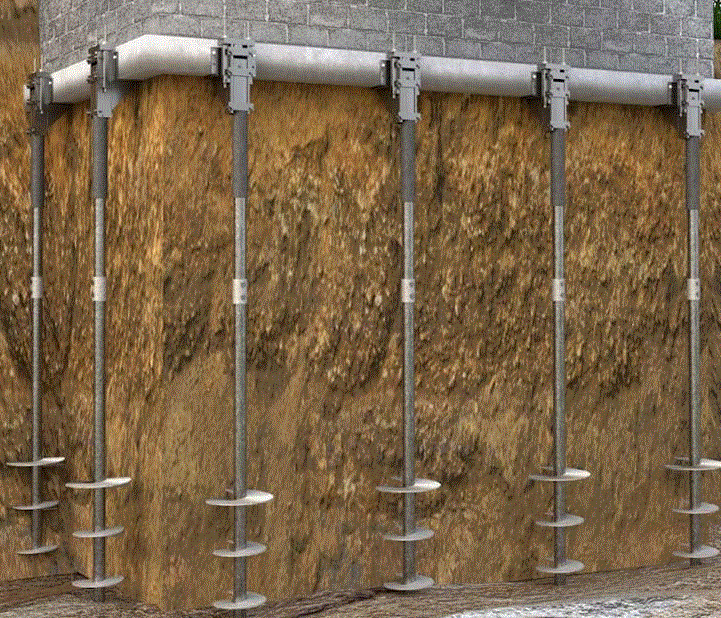
Helical piers are engineered steel foundation supports designed to transfer structural loads through weaker surface soils into deeper, more competent soil layers. A typical system consists of a steel shaft with one or more helical plates that allow the pier to advance into the ground through controlled rotation. Specialized hydraulic equipment is used during installation, and torque measurements help evaluate installation resistance in accordance with project requirements. Once installed, the pier can support suitable foundations, building additions, and other structural applications. These systems are particularly useful in certain situations where shallow soils cannot provide adequate support. However, the appropriate pier configuration depends on soil conditions, anticipated building loads, structural design, and site accessibility. A professional assessment is therefore necessary to establish whether helical piers are the right solution.
Common Warning Signs of Foundation Settlement
Foundation problems can develop gradually, making early identification important for homeowners and commercial property managers. One common indicator is the appearance of cracks around windows, doors, and interior wall corners. Other warning signs include uneven floors, doors that no longer close properly, gaps between walls and ceilings, and visible separation around exterior masonry. In some cases, foundation settlement may also affect porches, chimneys, garages, and other connected structures. Commercial buildings can experience similar problems, particularly when soil conditions change beneath heavily loaded areas. Although these symptoms do not automatically indicate that helical piers are necessary, they suggest that the foundation should be evaluated. Identifying the source of movement helps professionals recommend an appropriate repair strategy instead of relying on temporary cosmetic improvements.
Why Hiring Professional Helical Pier Installation Experts Matters
Installing helical piers requires technical knowledge, specialized equipment, and careful attention to structural requirements. Contractors must consider soil composition, foundation dimensions, anticipated loads, installation depth, and potential obstacles beneath the ground. These factors influence pier selection, placement, and installation specifications. Professional helical pier installation experts understand that every property presents different challenges and that installation procedures must follow the project’s engineering requirements. Proper installation monitoring is also important because torque measurements provide useful information about resistance encountered during advancement. Tar Heel Foundation Solutions brings extensive construction and foundation repair experience to projects involving structural stabilization and property protection. Working with an experienced team helps property owners understand the condition of their foundation and explore suitable options for addressing settlement concerns.
Benefits of Helical Piers for Residential and Commercial Properties
Helical pier systems offer several advantages when they are appropriately designed for a project. One important benefit is their ability to transfer structural loads into deeper supporting soil without depending entirely on weaker surface layers. Their installation may also require less excavation than certain traditional foundation support methods, helping reduce disruption around existing structures. Helical piers can be considered for residential foundation repairs, commercial buildings, new construction, and structural additions where site conditions permit. Installation performance can also be monitored through torque measurements, providing valuable information during the process. For property owners, these characteristics make helical piers an important option to discuss when evaluating foundation stabilization. Nevertheless, the system must be selected according to engineering specifications and actual soil conditions rather than assuming that one design works for every property.
The Helical Pier Installation Process
A successful installation begins with evaluating the property, reviewing visible foundation damage, and understanding the structural requirements of the building. Soil information and engineering specifications may be used to determine the appropriate pier type, location, and installation criteria. After planning is completed, the installation team prepares access areas and uses specialized hydraulic equipment to rotate the steel piers into the ground. The piers are advanced until the required installation criteria are achieved. Appropriate brackets and connection components are then used to transfer the intended structural loads from the foundation to the pier system. Depending on the project’s design, controlled foundation lifting or stabilization may also be performed. Each stage requires careful monitoring because the objective is to establish reliable structural support while minimizing unnecessary stress on the existing building.
How to Choose the Right Foundation Repair Contractor
Choosing a foundation repair company involves more than comparing estimates and project timelines. Property owners should consider the contractor’s construction experience, understanding of local soil conditions, technical capabilities, inspection procedures, and communication standards. A reliable company should explain the likely cause of foundation movement, discuss available repair methods, and clarify why a particular stabilization approach is recommended. It is also important to understand project specifications, installation procedures, warranty conditions, and any additional drainage improvements that may be necessary. Tar Heel Foundation Solutions provides foundation repair and structural stabilization services throughout North and South Carolina. Its experience with residential and commercial property concerns makes it a worthwhile option for owners seeking professional guidance on foundation problems. Choosing a contractor that prioritizes proper evaluation and practical recommendations can help support better long-term repair decisions.
Conclusion
Maintaining a stable foundation is essential for protecting a property’s structural integrity, safety, and long-term value. Foundation settlement should never be ignored because small warning signs can develop into more complicated structural concerns when underlying soil conditions remain unaddressed. Helical piers offer a valuable support option for suitable residential and commercial projects by transferring structural loads into deeper, more stable soil layers. Working with experienced helical pier installation experts helps ensure that foundation conditions, soil characteristics, engineering requirements, and installation procedures receive appropriate attention. Tar Heel Foundation Solutions provides foundation repair and structural stabilization services across North and South Carolina, helping property owners explore practical solutions for their buildings. Investing in professional foundation assessment and properly planned repairs is an important step toward achieving dependable structural support and protecting your property for years to come.