







Medically reviewed by Dr. Sannia Awais
Introduction
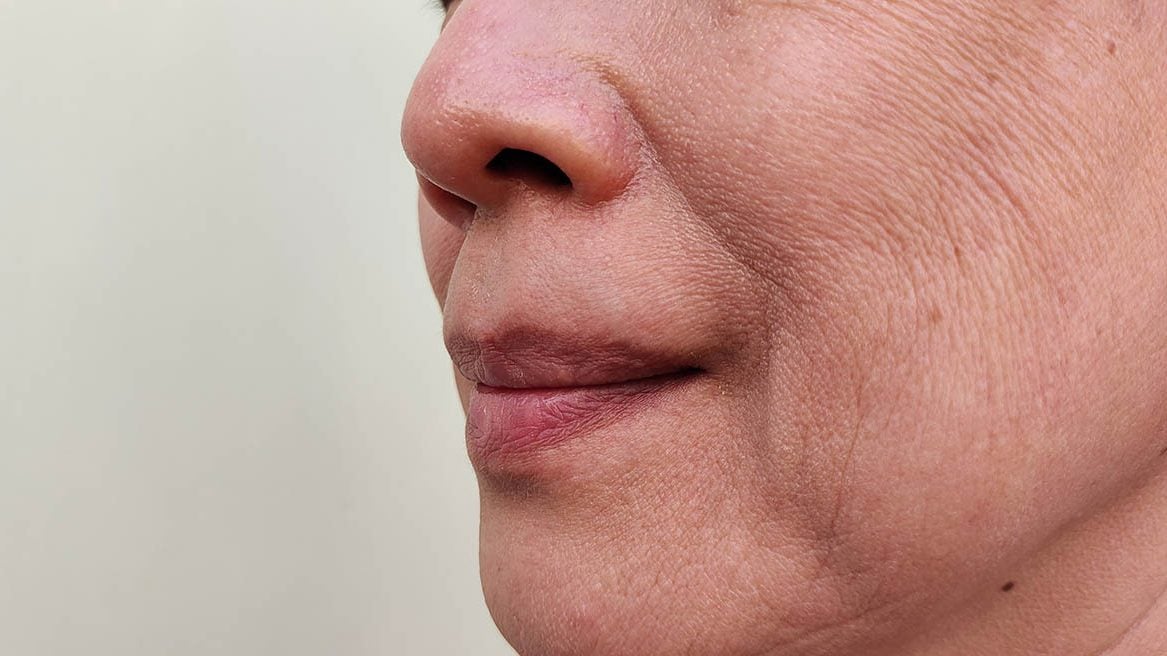
Wrinkles, fine lines, uneven skin texture and visible signs of ageing are common skin concerns that can develop as collagen production decreases over time. Sun exposure, environmental factors, smoking and natural ageing can also contribute to changes in skin appearance.
Modern skin resurfacing treatments offer different ways to improve these concerns without traditional surgery. Fine Lines and Wrinkle Removal in Abu Dhabi is an increasingly popular search among people looking for treatments that support smoother-looking skin and improve visible signs of ageing.
One option is CO2 laser resurfacing, a treatment that uses controlled laser energy to remove damaged outer skin layers and encourage collagen production. It can help reduce the appearance of wrinkles, improve skin texture and address certain types of sun damage.
However, results depend on skin condition, treatment intensity and individual healing. Understanding how the procedure works, who may benefit and what recovery involves can help people make informed decisions.
What Is CO2 Laser Treatment?
CO2 laser treatment is a skin resurfacing procedure that uses carbon dioxide laser energy to remove damaged skin cells and stimulate the body’s natural healing response. It is commonly used to improve wrinkles, acne scars, uneven skin texture and sun-damaged skin.
The treatment works by delivering controlled energy to targeted areas. Depending on the technology and settings, it can treat the entire skin surface or create small treatment zones surrounded by untreated skin.
Understanding Fractional and Traditional CO2 Lasers
There are two common approaches to CO2 laser resurfacing:
1. Traditional CO2 laser resurfacing
Traditional CO2 laser treatment removes thin layers of the outer skin over the treated area. It can address more pronounced wrinkles and significant sun damage but generally involves a longer recovery period.
2. Fractional CO2 laser resurfacing
Fractional CO2 laser treatment creates microscopic columns of controlled thermal injury in the skin. Small areas of untreated skin remain between these columns, helping the skin heal more quickly than with traditional full-field resurfacing.
Fractional treatment is commonly selected for people who want to improve wrinkles, acne scars and skin texture while potentially reducing downtime.
The appropriate approach depends on the severity of the skin concern, skin type, medical history and desired outcome.
How Does CO2 Laser Work and What Are Its Benefits?
CO2 laser improves wrinkled skin by removing damaged surface cells and stimulating collagen remodelling in deeper skin layers. This process can gradually improve skin firmness, texture and the appearance of fine lines.
The treatment uses carbon dioxide laser energy, which is absorbed by water within skin tissue. This produces controlled heating and tissue removal, triggering the body’s natural repair process.
How CO2 Laser Improves Wrinkles
The improvement happens through several biological processes.
1. Removes damaged outer skin cells
The laser removes targeted portions of the epidermis, which is the outermost layer of the skin. This helps reduce the appearance of rough texture, superficial lines and some sun-related skin damage.
2. Stimulates collagen production
Collagen is a structural protein that supports skin strength, elasticity and firmness. Its production naturally declines with age.
CO2 laser creates controlled thermal stimulation in the skin, encouraging collagen remodelling during healing. Over time, this may help soften wrinkles and improve skin firmness.
3. Encourages skin renewal
Following treatment, the body replaces damaged skin cells with newly formed tissue. This renewal process can make the skin appear smoother and more even.
4. Improves skin texture
CO2 laser can help reduce rough patches, enlarged pores and certain types of acne scarring. The extent of improvement depends on the depth and severity of the concern.
Key Benefits of CO2 Laser for Wrinkled Skin
People may consider CO2 laser resurfacing for several reasons.
- Reduces fine lines: It can soften superficial wrinkles, particularly around the mouth, cheeks and eyes when appropriately treated.
- Improves deeper wrinkles: More intensive resurfacing may improve selected deeper wrinkles, although results vary.
- Supports collagen remodelling: The treatment encourages processes involved in improving skin structure and firmness.
- Addresses sun damage: It can reduce certain visible signs of photoageing, including rough texture and uneven pigmentation.
- Improves acne scars: Fractional CO2 laser can help improve the appearance of certain atrophic acne scars.
- Refines skin texture: Skin may appear smoother as damaged surface cells are replaced.
- Improves overall skin appearance: By addressing several concerns together, resurfacing can create a more even-looking complexion.
Although CO2 laser can produce noticeable improvements, it cannot completely stop ageing or prevent new wrinkles from developing.
Who Is a Good Candidate for CO2 Laser Treatment?
Adults with visible wrinkles, sun damage, uneven skin texture or selected acne scars may be suitable candidates for CO2 laser resurfacing. A qualified practitioner must assess the skin before recommending treatment.
The procedure is not appropriate for everyone. Factors such as skin type, medical history and healing ability play an important role in determining suitability.
People Who May Benefit
You may be considered a suitable candidate if you:
- Have fine lines around the mouth, eyes or forehead.
- Notice wrinkles caused by natural ageing or prolonged sun exposure.
- Have uneven skin texture or rough skin.
- Want to improve certain acne scars.
- Have mild to moderate skin laxity.
- Are looking for a skin resurfacing option.
- Can follow the recommended preparation and aftercare instructions.
Who Should Be Cautious?
Some individuals may need additional assessment or an alternative treatment.
CO2 laser may not be recommended, or may require special precautions, for people who:
- Have active acne breakouts, skin infections or open wounds in the treatment area.
- Have a history of keloid or abnormal scar formation.
- Have recently used isotretinoin or certain medications that may affect healing.
- Have a history of cold sores, particularly around the mouth.
- Have darker skin tones with a higher risk of post-inflammatory hyperpigmentation.
- Are pregnant or breastfeeding, depending on the treatment and clinical circumstances.
- Have medical conditions that interfere with normal wound healing.
People with darker skin are not automatically unsuitable, but they may have a greater risk of pigmentation changes following ablative laser resurfacing. A practitioner experienced in treating different skin types should carefully evaluate the risks and available alternatives.
CO2 Laser vs Microneedling: Which Is Better for Wrinkled Skin?
CO2 laser and microneedling both stimulate skin repair and collagen remodelling, but they work differently. CO2 laser removes controlled portions of damaged skin, while microneedling uses fine needles to create tiny punctures that activate the healing response.
The right option depends on wrinkle severity, skin condition, pigmentation risk and recovery preferences.
Comparison Between CO2 Laser and Microneedling
| Feature | CO2 Laser | Microneedling |
|---|---|---|
| Treatment method | Laser-based skin resurfacing | Fine needles create controlled micro-injuries |
| Collagen stimulation | Through controlled thermal injury | Through the skin’s wound-healing response |
| Wrinkle improvement | Can improve fine and selected deeper wrinkles | Generally more suitable for mild lines |
| Skin texture | Improves roughness and uneven texture | Helps improve texture and certain acne scars |
| Acne scars | Effective for selected scar types | Commonly used for atrophic acne scars |
| Pigmentation concerns | Requires careful assessment due to pigmentation risks | May also cause pigmentation changes, but generally involves less thermal injury |
| Downtime | Usually longer | Generally shorter |
| Treatment intensity | Can be more intensive | Usually less intensive |
Which Treatment Should You Choose?
CO2 laser may be more appropriate for people with noticeable wrinkles, sun damage and more significant textural concerns who can manage a longer recovery period.
Microneedling may be a better option for people with mild wrinkles who prefer a less intensive procedure and shorter downtime.
Neither treatment is universally better. A skin assessment helps determine which approach is appropriate for individual concerns and skin characteristics.
CO2 Laser Cost and Recovery
CO2 laser treatment costs vary according to the treatment area, laser technology, treatment intensity and number of sessions required. Recovery also depends on whether fractional or traditional resurfacing is performed.
Factors That Affect CO2 Laser Cost
There is no single price for CO2 laser resurfacing because treatment plans differ from person to person.
The main factors influencing the overall cost include:
- Treatment area: Treating the full face generally requires a different approach from treating smaller areas around the eyes or mouth.
- Laser technology: Fractional and traditional CO2 laser systems may have different treatment costs.
- Treatment intensity: More intensive resurfacing may require additional clinical care and longer recovery.
- Number of sessions: Some people may need more than one session to achieve their desired improvement.
- Skin condition: The severity of wrinkles, scarring and sun damage can influence the treatment plan.
- Aftercare requirements: Prescription products, dressings and follow-up appointments may contribute to the overall expense.
A personalised consultation is the best way to understand the expected treatment costs and recovery requirements.
What Happens During CO2 Laser Recovery?
Recovery is an important part of the treatment because the skin needs time to repair itself.
The healing timeline varies depending on the procedure’s intensity.
First 24–72 hours
- Redness and swelling are common.
- The treated skin may feel warm or sensitive.
- Mild discomfort or a sunburn-like sensation may occur.
- The practitioner may recommend specific ointments or wound-care products.
Days 3–7
- Peeling, crusting and flaking may develop.
- The skin may feel dry or tight.
- Gentle cleansing and moisturising are important.
- Picking or scratching the treated area should be avoided.
One to two weeks
- Many people begin to notice that the surface skin has healed, particularly after fractional treatment.
- Redness may remain visible.
- Makeup should only be used when the skin has sufficiently healed and the practitioner approves it.
Several weeks to months
- Redness gradually fades.
- Collagen remodelling continues beneath the surface.
- Skin texture and wrinkles may improve progressively.
Traditional full-field CO2 resurfacing can require a longer recovery period than fractional treatment. Some people experience redness for several weeks or longer.
Possible Risks and Side Effects
CO2 laser is an ablative procedure, so it involves risks that should be understood before treatment.
Potential side effects include:
- Redness and swelling.
- Temporary burning or discomfort.
- Peeling and crusting.
- Changes in skin pigmentation, including dark or light patches.
- Infection, including bacterial or viral infections.
- Scarring in uncommon cases.
- Prolonged redness or delayed healing.
- Acne flare-ups or milia (small white bumps).
Following aftercare instructions and choosing an appropriately trained practitioner can help reduce avoidable complications.
Essential Aftercare Tips
Proper aftercare supports healing and helps protect the newly treated skin.
- Avoid direct sun exposure during recovery.
- Apply a broad-spectrum sunscreen of SPF 30 or higher once the skin has healed sufficiently and your practitioner approves it.
- Use gentle cleansers and recommended moisturisers.
- Avoid exfoliating products, retinoids and strong active ingredients until cleared by your practitioner.
- Do not pick peeling skin or remove crusts.
- Avoid swimming, saunas and strenuous activities until advised.
- Attend follow-up appointments to monitor healing.
Contact your practitioner promptly if you develop increasing pain, spreading redness, pus, fever or worsening swelling, as these may indicate complications.
Frequently Asked Questions
1. Does CO2 laser completely remove wrinkles?
No, CO2 laser does not completely remove every wrinkle. It can soften fine lines and improve selected deeper wrinkles by resurfacing damaged skin and stimulating collagen remodelling. Results depend on wrinkle depth, skin condition and treatment intensity.
2. How many CO2 laser sessions are needed for wrinkles?
Some people notice improvement after one treatment, particularly with more intensive resurfacing. Others may require multiple fractional CO2 laser sessions. The number depends on the severity of wrinkles, treatment settings and individual response.
3. How long do CO2 laser results last?
Results can last for several years, depending on the treatment and individual ageing process. However, the skin continues to age naturally. Sun protection, a suitable skincare routine and healthy lifestyle habits can help maintain improvements.
4. Is CO2 laser treatment painful?
Discomfort varies according to the treatment area and intensity. A topical numbing cream or other appropriate pain-management method may be used to improve comfort. Some people experience warmth, stinging or a sunburn-like sensation during and after treatment.
5. Can CO2 laser be used on all skin types?
CO2 laser can be used on selected skin types, but it requires careful assessment. People with darker skin tones may have a higher risk of post-inflammatory hyperpigmentation. An experienced practitioner should evaluate skin type, pigmentation history and alternative treatment options before proceeding.
Conclusion
CO2 laser resurfacing can improve wrinkled skin by removing damaged surface cells and stimulating collagen remodelling. It may help reduce fine lines, improve selected deeper wrinkles, refine skin texture and address certain signs of sun damage.
However, treatment intensity, skin type and individual healing determine the results and recovery experience. Potential risks, including pigmentation changes, infection and scarring, should also be considered before treatment.
Microneedling and other skin rejuvenation procedures may be more suitable for people with milder concerns or different recovery preferences.
Before choosing CO2 laser resurfacing, consult a qualified practitioner for a detailed skin assessment. A professional evaluation can help determine whether the procedure is suitable, explain possible risks and establish a treatment plan based on your skin concerns and expectations.