







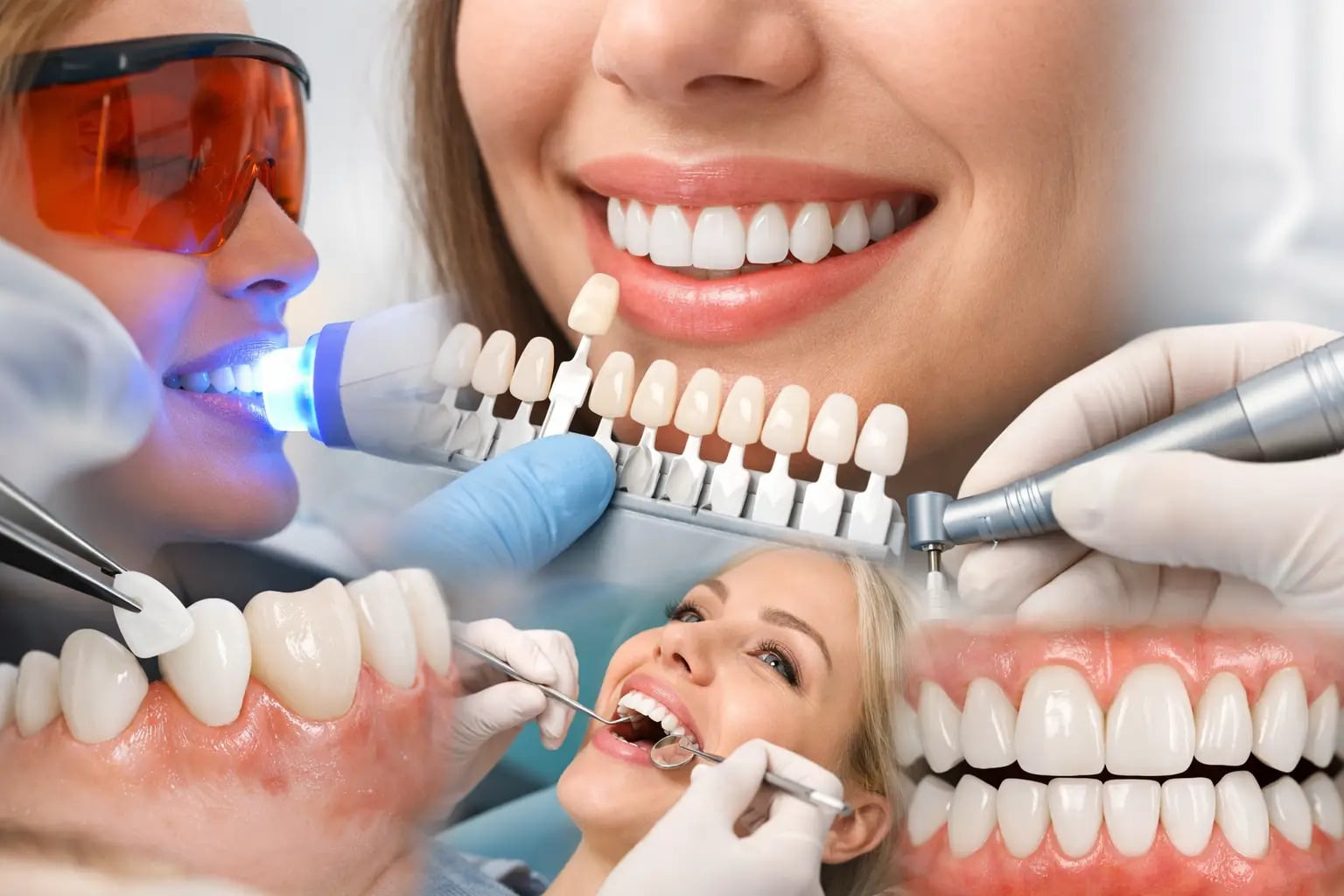
A beautiful smile can positively influence personal confidence, social interactions, and overall appearance. However, concerns such as stained teeth, chipped enamel, uneven spacing, crooked teeth, and irregular gum lines can prevent people from feeling comfortable with their smiles. Fortunately, modern dentistry offers several cosmetic treatments designed to address these concerns and improve the appearance of teeth and gums.
Cosmetic dental treatments focus on enhancing smile aesthetics while considering the patient’s existing oral health and dental structure. Some procedures provide subtle improvements, while others can create more noticeable changes depending on individual needs. Understanding the available options and their benefits can help patients choose appropriate treatments. At Atlantis Geo, exploring different cosmetic dental solutions can be a useful starting point for individuals interested in improving their smiles.
What Are Cosmetic Dental Treatments?
Cosmetic dental treatments are procedures intended to improve the appearance of teeth, gums, and smiles. They can address issues related to tooth colour, shape, size, alignment, spacing, and gum proportions.
Although many procedures primarily focus on aesthetics, certain treatments also provide restorative benefits. For example, dental crowns can protect weakened teeth while improving their appearance, and orthodontic treatment can correct alignment problems that make oral hygiene more challenging.
The most suitable treatment depends on dental health, the nature of the aesthetic concern, and the patient’s expectations.
7 Common Cosmetic Dental Treatments and Their Benefits
Several cosmetic dental procedures are available to address different smile imperfections. Below are seven commonly used options and their potential benefits.
1. Professional Teeth Whitening
Tooth discolouration is a common concern that can develop because of ageing, dietary habits, smoking, and certain medications. Coffee, tea, and other strongly coloured beverages can also contribute to surface stains over time.
Professional teeth whitening uses specialised bleaching agents to lighten natural tooth colour and reduce certain types of stains. The procedure is performed or supervised by a dental professional, who evaluates the condition of the teeth before recommending an appropriate whitening method.
Benefits of Teeth Whitening:
- Reduces visible stains and discolouration.
- Creates a brighter and cleaner-looking smile.
- Can improve smile appearance without changing tooth structure.
- Offers a relatively quick cosmetic improvement in suitable cases.
The results depend on the cause of discolouration and the patient’s dental condition. Whitening does not change the colour of crowns, veneers, or fillings.
2. Dental Veneers
Dental veneers are thin, custom-made shells designed to cover the front surfaces of teeth. They are commonly used to improve the appearance of teeth affected by persistent discolouration, minor chips, uneven edges, or irregular shapes.
Veneers are generally made from porcelain or composite resin. Porcelain options are popular because of their natural appearance and resistance to staining, while composite veneers may be suitable for certain patients seeking a different treatment approach.
Benefits of Dental Veneers:
- Improve the shape and size of visible teeth.
- Cover certain stains that do not respond well to whitening.
- Create a more consistent appearance across multiple teeth.
- Address minor cosmetic imperfections.
- Provide customised results based on smile proportions.
Patients should understand that some veneer procedures require removing a small amount of natural enamel, making treatment planning particularly important.
3. Dental Bonding
Dental bonding is a cosmetic procedure that uses tooth-coloured composite resin to repair minor imperfections. The dentist applies the material directly to the affected tooth, shapes it, and hardens it using a special curing light.
This treatment is frequently recommended for small chips, minor cracks, uneven edges, and small gaps between teeth.
Benefits of Dental Bonding:
- Repairs minor visible tooth damage.
- Improves irregular tooth shapes.
- Can close small gaps in suitable cases.
- Usually requires minimal alteration of natural tooth structure.
- Often completed in a single dental appointment.
Although bonding is a convenient option, composite resin may become stained or chipped over time and can require repairs or replacement.
4. Clear Aligners
Clear aligners are transparent, removable orthodontic trays designed to gradually move teeth into improved positions. They are commonly used to address certain alignment concerns, including crowding, spacing, and mild to moderate bite irregularities.
Patients receive a series of customised aligners that are changed according to their dentist’s treatment plan. Each set applies controlled pressure to move specific teeth gradually.
Benefits of Clear Aligners:
- Provide a discreet alternative to traditional braces.
- Can be removed while eating and brushing.
- Make everyday oral hygiene easier compared with fixed orthodontic appliances.
- Are customised to individual alignment requirements.
- Can improve dental alignment and smile balance.
Successful treatment requires wearing the aligners for the recommended number of hours each day. More complex orthodontic cases may require alternative treatment options.
5. Dental Crowns
Dental crowns are custom-made restorations that cover the visible portion of a damaged or weakened tooth. They are primarily used to restore strength, shape, and function, but they can also improve the appearance of teeth with significant discolouration or structural imperfections.
Crowns can be manufactured using different materials, including porcelain, ceramic, and metal-based combinations. The dentist selects an appropriate material according to the tooth’s location, functional requirements, and aesthetic goals.
Benefits of Dental Crowns:
- Protect weakened teeth from further damage.
- Restore the shape and size of compromised teeth.
- Improve the appearance of severely discoloured teeth.
- Support normal chewing function.
- Provide a customised restoration that blends with surrounding teeth.
Proper fitting and regular dental care are important for maintaining the condition of a dental crown.
6. Gum Contouring
A balanced smile depends on more than the appearance of teeth. The shape and visibility of gum tissue can also influence how a smile looks. Some individuals have an uneven gum line or excessive gum tissue that makes their teeth appear shorter.
Gum contouring is a procedure that reshapes excess gum tissue to create a more balanced gum line. Depending on the patient’s condition, dental professionals may use specialised surgical techniques or laser-assisted methods.
Benefits of Gum Contouring:
- Creates a more even gum line.
- Reduces excessive gum visibility in suitable cases.
- Improves the proportions between teeth and gums.
- Enhances overall smile symmetry.
- Can complement other cosmetic dental procedures.
A thorough gum health assessment is necessary before treatment to ensure that reshaping is appropriate and safe.
7. Dental Implants
Dental implants are used to replace missing teeth and restore both appearance and function. The treatment involves placing a small titanium or other suitable implant fixture into the jawbone, where it integrates with the surrounding bone. A dental crown is then attached to create a replacement tooth.
Although dental implants are primarily restorative rather than purely cosmetic, they can significantly improve smile appearance by replacing missing teeth with natural-looking restorations.
Benefits of Dental Implants:
- Replace missing teeth with stable restorations.
- Improve smile completeness and appearance.
- Support normal speaking and chewing functions.
- Help maintain jawbone structure by providing stimulation.
- Avoid relying on neighbouring teeth for support, unlike traditional tooth-supported bridges.
Dental implants require sufficient bone support, healthy gums, and careful treatment planning. Healing and integration also take time, so they are not suitable for every patient.
How to Choose the Right Cosmetic Dental Treatment
Choosing an appropriate cosmetic dental treatment begins with identifying the specific concern you want to address. For example, professional whitening may be suitable for surface stains, while veneers can address certain issues involving tooth shape and colour. Orthodontic treatments may be more appropriate when alignment is the primary concern.
Patients should also consider their oral health, treatment duration, maintenance requirements, and budget. A qualified dentist can examine the teeth and gums, discuss available procedures, and explain their potential benefits and limitations.
It is equally important to maintain realistic expectations. Cosmetic treatments can improve smile aesthetics, but the results depend on individual dental conditions and the suitability of the selected procedure.
Conclusion
Modern cosmetic dentistry provides several treatment options for improving tooth colour, shape, alignment, and overall smile appearance. From teeth whitening and veneers to clear aligners, dental bonding, and implants, each procedure offers different benefits depending on individual dental needs. Understanding these options makes it easier to discuss suitable solutions with a dental professional.
At Atlantis Geo, patients can explore dental care options that support their aesthetic goals and oral health requirements. Individuals considering Cosmetic Dentistry in Dubai should arrange a professional consultation to understand which treatments are appropriate for their dental condition and achieve a natural-looking, confident smile.