







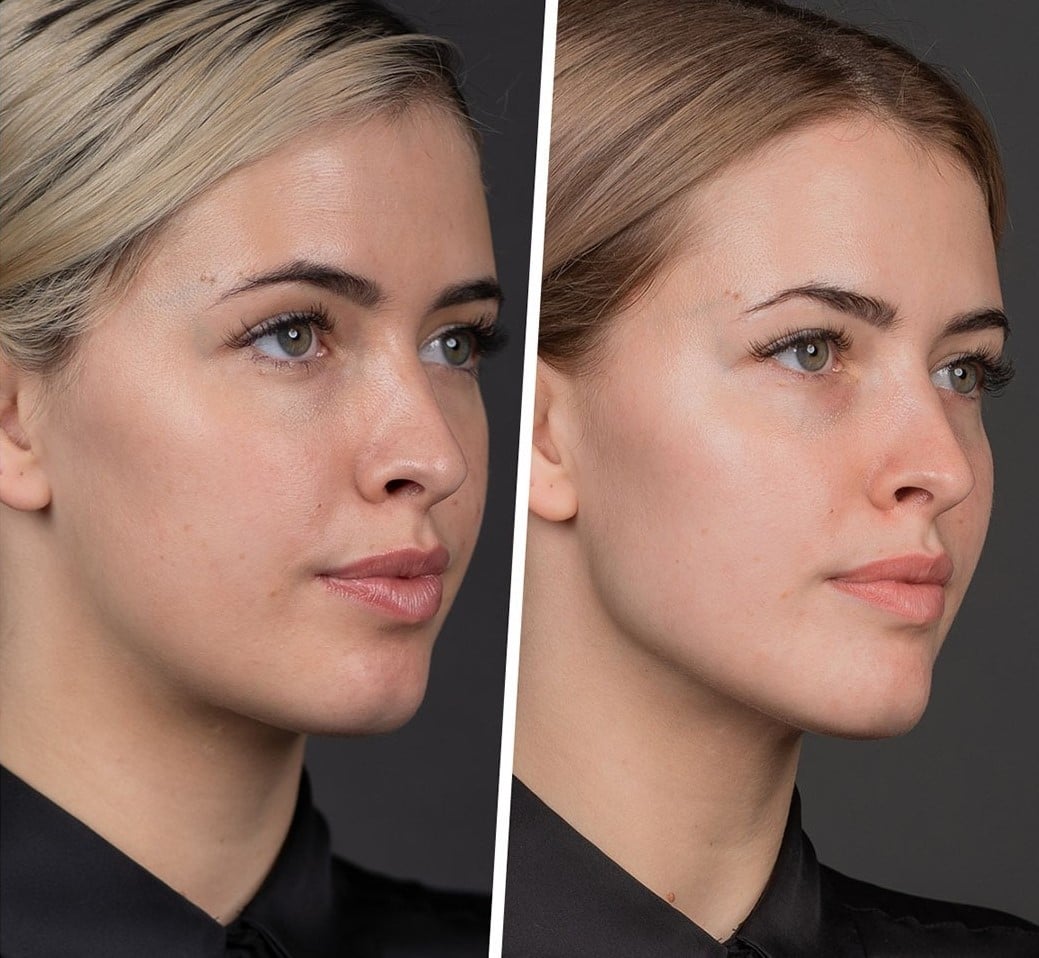
Facial appearance is influenced by several factors, including bone structure, facial proportions, skin quality, and the distribution of natural facial volume. Some people prefer to enhance particular features, improve facial symmetry, or create more definition around areas such as the cheeks, jawline, and chin. Facial contouring is an aesthetic approach that focuses on refining these features while maintaining a balanced and natural-looking appearance.
With advancements in modern aesthetic medicine, facial contouring has become an increasingly popular option for individuals interested in enhancing their appearance. Depending on personal goals and professional recommendations, different techniques can be used to improve facial definition and proportions. Understanding what facial contouring involves and how it works can help individuals make informed decisions about available treatments.
What Is Facial Contouring?
Facial contouring refers to a range of cosmetic procedures designed to improve the shape, definition, and proportions of the face. These treatments focus on enhancing specific facial areas to create a more balanced appearance. Rather than completely changing someone’s natural features, the objective is generally to refine existing characteristics and improve overall facial harmony.
Facial contouring can involve both non-surgical and surgical approaches. Non-surgical options may include dermal fillers and other injectable treatments, while surgical procedures can address more significant structural changes. The appropriate technique depends on facial anatomy, individual expectations, and the recommendations of a qualified aesthetic professional.
Common areas considered during facial contouring include the cheeks, chin, jawline, temples, and lower face. Each area contributes differently to facial proportions, making an individualized treatment approach important.
How Does Facial Contouring Enhance Facial Features?
Facial contouring can enhance appearance by improving definition, restoring volume, and creating more balanced proportions between different facial areas. Its effects depend on the selected procedure and the individual’s natural anatomy.
1. Creates More Defined Cheekbones
The cheekbones play an important role in determining facial structure. Well-defined cheeks can contribute to a more sculpted appearance and improve the visual balance between the upper and lower face.
Cheek contouring treatments may involve carefully placed dermal fillers to enhance volume and highlight the cheekbone area. This approach can also help address volume loss that sometimes occurs with ageing. The objective is to create natural-looking definition without making the cheeks appear excessively prominent.
2. Improves Jawline Definition
The jawline is another important feature that influences the overall appearance of the face. A well-defined jawline can create a more structured appearance and improve the transition between the face and neck.
Depending on individual requirements, jawline contouring may involve dermal fillers, surgical procedures, or other aesthetic approaches. These treatments aim to improve the appearance of the lower face by adding definition or addressing specific structural concerns.
3. Enhances Chin Proportions
The chin contributes significantly to facial balance, particularly when viewed from the side. A chin that appears recessed or lacks definition may affect the relationship between the nose, lips, and jawline.
Chin contouring can help improve these proportions. Non-surgical treatments may use dermal fillers to add volume and create a more defined chin profile. Surgical options may be considered when more substantial structural changes are desired.
4. Restores Lost Facial Volume
Natural ageing can lead to changes in facial fat distribution, collagen production, and skin elasticity. These changes may cause certain areas to appear hollow or less defined over time.
Facial contouring treatments can address selected areas of volume loss. Dermal fillers, for example, may restore volume in the cheeks or temples, helping improve facial fullness. Treatment plans should consider the underlying cause of volume changes rather than focusing only on adding volume.
5. Improves Overall Facial Symmetry
Although perfect facial symmetry is uncommon, noticeable differences between facial features can influence how balanced the face appears. Facial contouring may help address certain asymmetries by refining specific areas.
For example, carefully selected treatments may improve the appearance of uneven cheeks or differences in chin projection. However, results depend on the individual’s anatomy, and complete symmetry cannot always be achieved.
Different Types of Facial Contouring Treatments
Facial contouring includes several procedures, each offering different approaches to facial enhancement.
Dermal Fillers: These injectable treatments use substances such as hyaluronic acid to add volume, enhance selected facial areas, and improve definition. They are commonly used for cheek, chin, and jawline enhancement.
Botulinum Toxin Treatments: Botulinum toxin can temporarily relax targeted muscles. In selected cases, it may help refine facial appearance, such as reducing the prominence of enlarged masseter muscles that contribute to a wider lower face.
Fat Transfer: This procedure involves transferring a person’s own fat from one area of the body to selected facial areas. It may be used to restore volume and improve facial contours.
Surgical Facial Contouring: Surgical approaches can address underlying facial structures and provide more substantial changes. Depending on the procedure, these may involve chin surgery, jawline modification, or other structural enhancements.
Non-Surgical Skin Tightening: Certain energy-based treatments use technologies such as radiofrequency or ultrasound to improve skin firmness. These options may complement facial contouring when skin laxity is a concern.
Who May Consider Facial Contouring?
Facial contouring may be considered by adults who want to improve specific facial features or address changes associated with ageing. People interested in enhancing cheekbone definition, refining the jawline, improving chin proportions, or restoring facial volume may benefit from discussing suitable options with an experienced professional.
However, not every person is an appropriate candidate for every procedure. Skin condition, medical history, facial anatomy, previous cosmetic treatments, and personal expectations should all be considered before treatment.
A professional consultation is essential for identifying realistic goals and selecting an appropriate approach.
What Should You Consider Before Facial Contouring?
Before undergoing any facial contouring procedure, it is important to understand the potential benefits, limitations, and risks. Non-surgical treatments are not completely risk-free. Injectable procedures, for example, can cause temporary swelling, bruising, tenderness, and, rarely, serious complications such as vascular occlusion.
Surgical procedures involve additional considerations, including recovery time, anaesthesia, scarring, and possible complications.
Patients should choose a qualified and experienced medical professional who understands facial anatomy and can explain the available options. A detailed consultation should cover expected results, treatment suitability, recovery requirements, and possible side effects.
It is equally important to maintain realistic expectations. Facial contouring should complement natural features rather than create an appearance that does not suit an individual’s facial structure.
Conclusion
Facial contouring is an aesthetic approach that focuses on enhancing facial definition, improving proportions, restoring volume, and creating better harmony between different facial features. From cheekbone enhancement and jawline definition to chin refinement and facial volume restoration, different treatments can address individual cosmetic concerns. The most suitable option depends on facial anatomy, personal goals, and professional assessment. Individuals considering Facial Contouring Treatments in Dubai can explore suitable options through a consultation with the experienced aesthetic professionals at AATRAS. Understanding the available procedures, their potential outcomes, and associated risks is an important step towards making an informed decision and achieving balanced, natural-looking facial enhancement.