








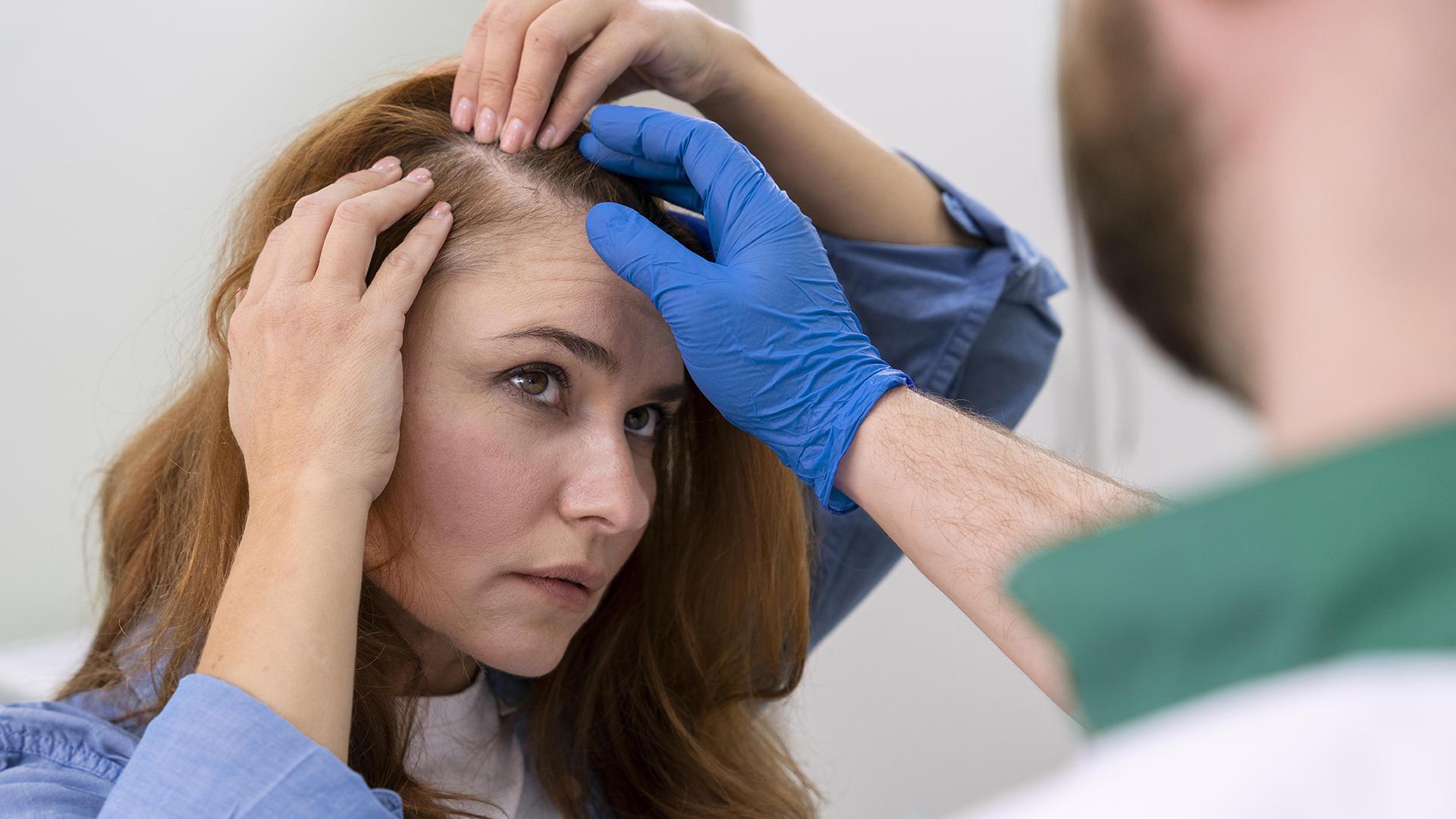
Hair loss is a common concern affecting both men and women. Factors such as genetics, hormonal changes, nutritional deficiencies, stress, medical conditions, and lifestyle habits can contribute to thinning hair and excessive shedding. Although occasional hair fall is normal, continuous hair loss may gradually affect hair density, scalp coverage, and self-confidence. Finding the right treatment at the right time can help individuals manage the condition more effectively.
For people experiencing persistent hair fall, exploring professional hair loss treatment in Islamabad can be an important step towards understanding the underlying cause and selecting an appropriate solution. Professional clinics offer different approaches, including PRP therapy, medical hair restoration, scalp treatments, and hair transplantation. However, the most suitable option depends on an individual’s hair condition, medical history, and treatment goals.
Why Should You Consider Professional Hair Loss Treatment?
Hair loss products available in the market may help with certain scalp or hair concerns, but they do not address every underlying cause. Professional assessment helps identify whether hair loss is temporary, hereditary, hormonal, or associated with another health condition.
A qualified hair specialist can evaluate:
-
Hair density: Identifying areas where hair is becoming thinner.
-
Scalp health: Checking for irritation, inflammation, dandruff, or other scalp concerns.
-
Hair loss pattern: Understanding whether thinning affects the hairline, crown, or entire scalp.
-
Medical history: Reviewing possible hormonal, nutritional, and genetic factors.
-
Treatment suitability: Recommending suitable options based on individual needs.
Early assessment is particularly useful because some forms of hair loss may become more difficult to manage as they progress.
Common Causes of Hair Loss in Men and Women
Understanding the reason behind hair loss is essential before choosing a treatment. Different conditions require different management approaches.
Some common causes include:
Genetic Hair Loss: Androgenetic alopecia is a hereditary condition that causes gradual hair thinning. It commonly affects the hairline and crown in men, while women may experience reduced hair density across the scalp.
Hormonal Changes: Pregnancy, menopause, thyroid disorders, and other hormonal changes can influence the hair growth cycle.
Nutritional Deficiencies: Low iron levels, inadequate protein intake, and certain vitamin deficiencies may contribute to excessive hair shedding.
Stress and Lifestyle: Physical or emotional stress, inadequate sleep, and restrictive diets can sometimes trigger temporary hair loss.
Medical Conditions: Certain autoimmune disorders, scalp infections, and medications may also contribute to hair thinning or bald patches.
Identifying the underlying cause allows specialists to recommend a more appropriate treatment plan instead of relying on general hair care products.
Professional Hair Loss Treatment Options Available
Islamabad offers different hair restoration approaches for individuals experiencing mild, moderate, or advanced hair loss. The following options may be considered after professional assessment.
PRP Hair Treatment
Platelet-Rich Plasma (PRP) therapy uses a concentrated portion of a patient’s own blood containing platelets. The preparation is injected into selected areas of the scalp.
PRP is commonly explored for certain types of hair thinning and may support hair growth in suitable candidates.
Potential considerations include:
-
Uses the patient’s own blood.
-
Requires multiple treatment sessions.
-
Results vary depending on the underlying condition.
-
May be recommended alongside other hair restoration approaches.
Hair Transplant Surgery
Hair transplantation is a surgical procedure that involves relocating hair follicles from a donor area to regions affected by permanent hair loss.
Common techniques include:
-
FUE (Follicular Unit Extraction): Individual hair follicles are extracted and implanted into thinning areas.
-
FUT (Follicular Unit Transplantation): A strip of scalp is removed to obtain follicular units for transplantation.
-
DHI (Direct Hair Implantation): A technique involving specialised implantation instruments to place extracted follicles.
Hair transplantation may be suitable for individuals with sufficient donor hair and an appropriate pattern of hair loss. A qualified surgeon must evaluate candidacy before recommending surgery.
Exosomes Hair Therapy
Exosome-based hair therapy is an emerging area of hair restoration. It involves preparations containing cell-derived signalling components that are being investigated for their potential role in tissue repair and hair follicle activity.
Patients should understand that evidence regarding its effectiveness and long-term safety remains limited. It should not be presented as a guaranteed hair regrowth solution.
Medical Hair Loss Management
Not every patient needs a surgical or injectable procedure. Depending on the diagnosis, a dermatologist may recommend approved medications, nutritional correction, or treatment for an underlying scalp condition.
How to Choose the Right Hair Loss Clinic in Islamabad
Selecting a professional clinic is an important part of the hair restoration journey. Rather than choosing a facility based only on promotional offers, patients should evaluate its qualifications, consultation process, treatment options, and safety standards.
Consider these important factors:
-
Qualified Professionals: Check the qualifications and experience of the doctor responsible for your treatment.
-
Personalised Consultation: A reliable clinic should assess your hair loss pattern before recommending a procedure.
-
Treatment Transparency: Ask about expected results, limitations, possible side effects, and recovery requirements.
-
Hygiene Standards: Ensure that appropriate sterilisation and infection-control practices are followed.
-
Realistic Expectations: Avoid clinics promising guaranteed or permanent results for every patient.
-
Aftercare Support: Post-treatment monitoring is important for evaluating progress and addressing concerns.
A professional consultation should help patients understand their options without unnecessary pressure to purchase a particular procedure.
Exploring Hair Loss Treatment at SKN Cosmetics in Islamabad
For individuals researching hair restoration options, SKN Cosmetics in Islamabad is one clinic they can explore when considering professional hair loss treatment and hair restoration services. The clinic provides a setting where individuals can enquire about available hair-related procedures and discuss their concerns with the relevant professionals.
Before selecting any treatment, patients should discuss their hair loss history, scalp condition, expectations, and medical suitability. Those considering PRP therapy or hair transplantation should ask about the professional performing the procedure, treatment protocols, possible risks, and follow-up arrangements.
When evaluating SKN Cosmetics or any other hair restoration clinic, consider:
-
Whether the recommended procedure matches your hair loss condition.
-
Whether the treating professional has relevant qualifications.
-
Whether the clinic explains treatment limitations and expected outcomes.
-
Whether appropriate aftercare and follow-up support are available.
Making an informed decision can help patients approach hair restoration with realistic expectations and greater confidence.
What Results Can You Expect from Professional Hair Loss Treatment?
Hair restoration results depend on the cause of hair loss, the selected procedure, individual response, and consistency with the recommended treatment plan.
For example, PRP may require several sessions, while hair transplantation involves a recovery period followed by gradual hair growth. Transplanted hair commonly takes several months to show noticeable development, with results continuing to mature over time.
Patients should remember that:
-
No treatment guarantees identical results for everyone.
-
Some conditions require ongoing management.
-
Hair transplantation does not prevent future hair loss in untreated areas.
-
Follow-up appointments help assess treatment progress.
Discussing realistic timelines with a qualified professional helps avoid misunderstandings and unrealistic expectations.
Making an Informed Decision About Hair Restoration
Choosing professional hair loss treatment is not simply about finding a clinic offering multiple procedures. It involves understanding your condition, exploring suitable options, and selecting qualified professionals who prioritise patient safety.
Whether you are experiencing a receding hairline, crown thinning, excessive shedding, or widespread hair loss, a proper consultation can help identify the next steps. Exploring reputable hair restoration clinics in Islamabad and comparing their expertise, treatment approaches, and patient care standards can make the decision easier.
For anyone researching hair loss treatment in Islamabad, prioritising professional assessment, transparent guidance, and realistic expectations is a sensible starting point for a healthier hair restoration journey.
Frequently Asked Questions (FAQs)
Q1. Where can I explore professional hair loss treatment in Islamabad?
You can explore established hair restoration clinics, dermatology practices, and cosmetic treatment centres offering professional consultations.
Q2. Which treatment is best for hair loss?
The best treatment depends on the underlying cause, hair loss pattern, and individual suitability.
Q3. Is PRP effective for hair loss?
PRP may improve hair density in some suitable patients, but results vary.
Q4. Can women get professional hair loss treatment?
Yes. Women can explore medical treatments, PRP, and other suitable hair restoration options.
Q5. When should I consult a hair specialist?
Consult a qualified specialist if hair loss is persistent, excessive, sudden, or accompanied by scalp problems.