






High winds, heavy wet snow, ice buildup, and severe thunderstorms can turn healthy or vulnerable trees into urgent hazards within minutes. Relying on Emergency Tree Removal Services helps homeowners and property managers address downed trunks, cracked limbs, and leaning trees before further structural or ground damage occurs. Saturated soil after spring thaws or heavy rains can also loosen root plates on trees that appeared steady moments earlier. Acting promptly protects roofs, fences, driveways, and parked vehicles while restoring safe movement around the property.
How Emergency Tree Removal Services Stabilize Urgent Hazards
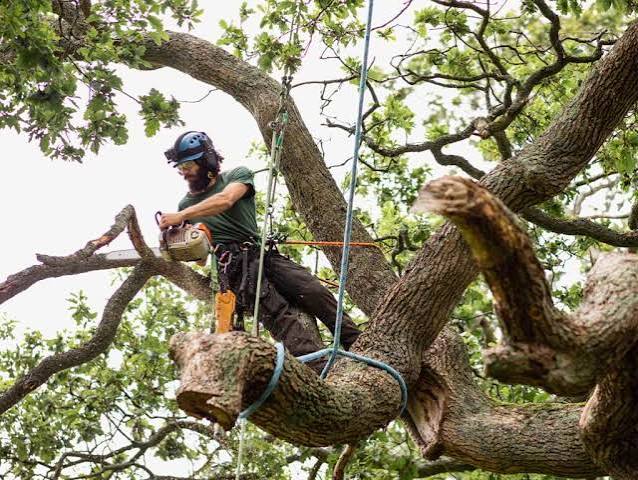
Effective Emergency Tree Removal Services focus first on assessing immediate danger, stabilizing unstable wood, and planning controlled cuts rather than rushing blindly into a tangled scene. A tree resting across a roofline, blocking an entry lane, or wedged against another trunk carries stored tension and unpredictable weight that can shift suddenly. Trained crews evaluate lean, root stability, overhead clearances, and ground conditions so heavy sections can be lowered safely without compounding damage below. Clear assessment helps separate trees that pose an active hazard from surviving branches that can simply be pruned or monitored later.
Why Calm Assessment Matters During High-Stress Cleanup
Storm aftermath often creates pressure to clear everything at once, yet hasty cutting without proper rigging or hazard checks is a leading cause of injury and secondary property damage. Heavy limbs pinned under tension can snap back or roll unexpectedly when severed out of sequence. Checking access paths, soft turf, underground lines, and any potential utility contact ahead of cutting keeps the operation orderly and safe. Taking a measured approach during an urgent situation helps protect people, structures, and surrounding landscaping alike.
Common Storm and Hazard Situations Requiring Urgent Help
Severe weather and tree decline create different kinds of urgent yard problems depending on tree size, species, and site layout. Typical emergency tree situations include:
-
Trees Down on Roofs or Structures: Removing fallen or leaning trunks and limbs resting on houses, garages, sheds, or fences.
-
Blocked Driveways and Walkways: Clearing fallen wood and storm debris that prevent vehicle access or safe foot traffic.
-
Split Trunks and Hanging Limbs: Taking down cracked leaders or lodged branches suspended above yards, play areas, or parking stalls.
-
Uprooted or Leaning Trees: Addressing trees whose root plates have lifted in saturated ground or shifted after strong wind gusts.
-
Heavy Snow and Ice Breakage: Clearing limbs snapped under winter ice or wet snow loads before follow-up storms hit.
-
Post-Storm Debris and Stump Work: Hauling brush, bucking logs, and grinding remaining stumps once the immediate hazard is down.
Comparing Emergency Crews and Understanding Quotes
When comparing providers after a storm, clear communication around scope, insurance, and next steps matters even under tight timelines. Property owners should ask for proof of active insurance, confirm whether debris removal and stump grinding are included, and clarify how pricing is handled if hidden internal decay is discovered. Asking how crews protect lawns, driveways, and neighboring structures—and what documentation or photos are provided for insurance records—helps set clear expectations. Reliable contractors explain the removal plan plainly before starting work.
Safety Precautions, Utility Lines, and Local Rules
Safety around storm-damaged trees starts with keeping a safe distance from fallen limbs, unstable trunks, and any branches near electrical lines. If a tree or limb is touching or near a power line, property owners should stay well back and contact emergency services or the utility provider rather than approaching or cutting near wires. Crews also follow local municipal rules, work-zone safety practices, and regional wood-handling guidelines—such as restrictions tied to pests like emerald ash borer—during cleanup. Careful attention to safety and local rules protects everyone on the property.
Realistic Expectations for Storm Recovery and Prevention
Prompt emergency removal reduces immediate safety risks and helps prevent ongoing water or wind exposure on damaged structures. Final yard recovery still depends on how much turf or landscaping was affected by falling wood or heavy equipment, how weather unfolds afterward, and how remaining trees are cared for. Routine structural pruning and early attention to deadwood or pest stress on healthy trees can lower failure risk over time, though severe weather can still test strong canopies. Realistic expectations help property owners plan cleanups and follow-up repairs smoothly.
Evolving Trends in Storm Response and Canopy Care
Property owners increasingly look for faster, better-organized response after severe weather, alongside clearer risk guidance and careful turf or hardscape protection during heavy equipment work. More frequent wind events, heavy snow loads, and regional pest pressures have also encouraged earlier canopy inspections before storm seasons peak. Trees by Forrest brings local arborist experience across Plymouth and Hennepin County to help property owners handle urgent tree hazards safely and efficiently.
Conclusion
Dealing with storm-damaged or unstable trees is stressful, but clear priorities and disciplined field work keep urgent situations manageable. By keeping clear of hazards, verifying insurance and scope, and acting promptly on dangerous trees, property owners can rely on Emergency Tree Removal Services with confidence. Safe takedowns and thorough cleanup protect surrounding structures and help restore normal routines faster. Thoughtful post-storm care sets the stage for a safer, cleaner property moving forward.