







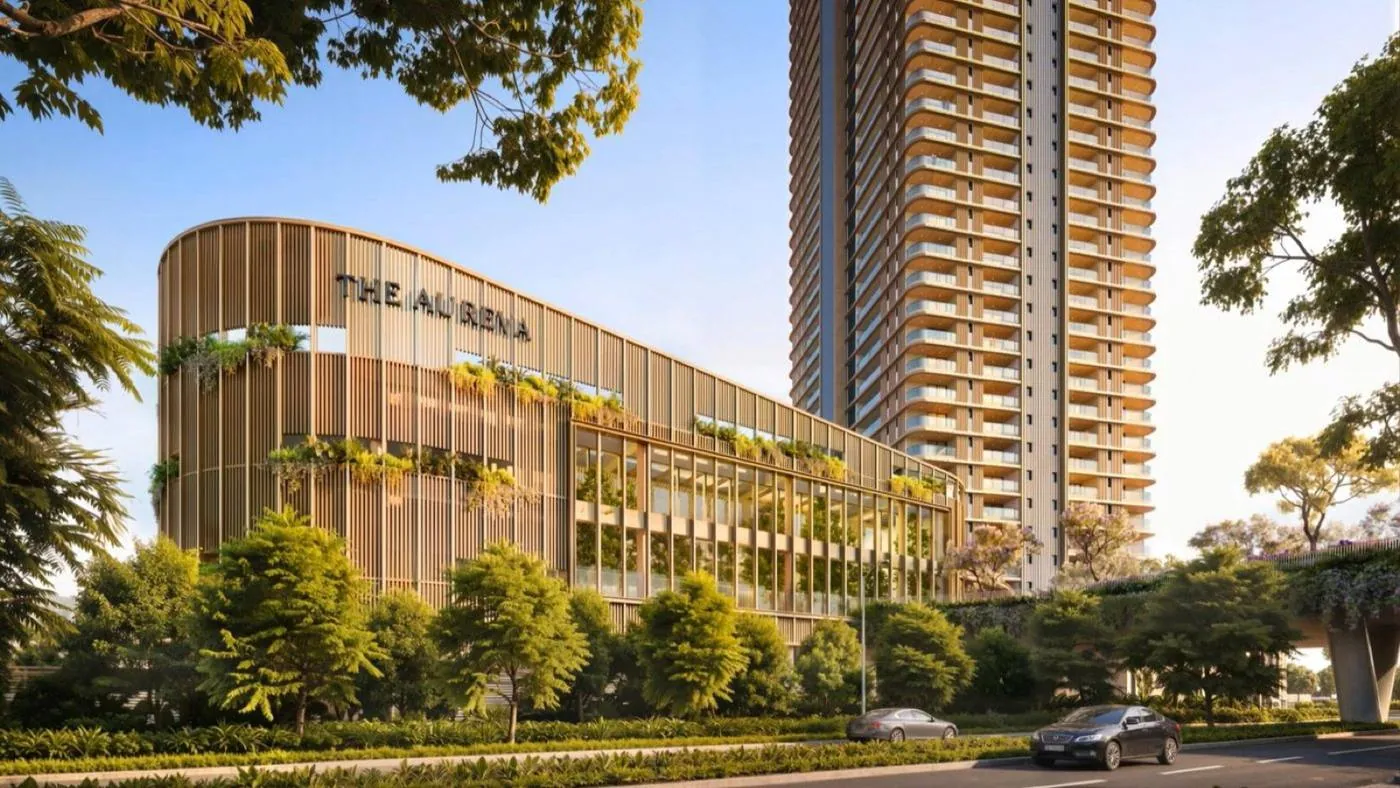
Gurgaon’s skyline owes much of its character to DLF, the developer that shaped the city from its early days. Today, the DLF name appears across everything from low-rise builder floors to ultra-luxury high-rises. That breadth is a strength, but it also makes choosing harder. The “right” DLF property depends on what you want from the home: a legacy asset, a rental yield, a second home for visits from abroad, or a primary residence for the next decade.
This guide walks through the decisions that matter most, in the order that makes sense for a serious buyer.
1. Start With Your Purpose
Before comparing projects, be clear about why you’re buying. The answer narrows your options quickly.
- Primary residence: Prioritise school access, commute, community quality, and day-to-day convenience.
- Second home or NRI purchase: Prioritise low-maintenance living, strong property management, security, and a gated environment you can lock and leave.
- Investment: Prioritise location, scarcity, rental demand, and resale liquidity.
- Legacy or wealth-preservation asset: Prioritise land parcel quality, brand track record, and low-density, limited-inventory projects.
A buyer who wants a family home and a buyer who wants a rental asset can both choose DLF, but they will rarely choose the same project.
2. Understand Gurgaon’s Key Micro-Markets
Location is the single biggest driver of lifestyle and long-term value. DLF has a presence across several corridors, each with a distinct profile.
Golf Course Road and Golf Course Extension Road. This is the established address for luxury living in Gurgaon, with direct access to corporate hubs, premium retail, fine dining, and the golf course itself. Projects here tend to command a premium for connectivity and prestige.
DLF Phases (City Phases 1 to 5). The original DLF City neighbourhoods offer a mature, tree-lined environment with established social infrastructure, clubs, and markets. These are a good fit for buyers who value an established, settled feel over a brand-new skyline.
Southern Peripheral Road and Sohna Road corridor. Newer, larger-format developments here typically offer more space and amenity-rich township living, often at a different entry point than the Golf Course belt.
Dwarka Expressway. An emerging corridor with strong connectivity to Delhi and the airport, attractive for buyers thinking about future appreciation.
When comparing corridors, test each against your daily reality: your commute, your children’s schools, your proximity to hospitals, and your access to Delhi’s airport.
3. Match the Product Type to Your Lifestyle
DLF’s Gurgaon portfolio spans several formats, and each suits a different buyer.
- Ultra-luxury high-rise apartments: Large floor plates, premium specifications, concierge-style services, and extensive clubhouses. Ideal for buyers who want resort-style amenities and a high-security environment.
- Low-rise and builder-floor-style homes: Lower density, more privacy, and often a more neighbourhood feel.
- Villas and independent-style residences: Maximum space and privacy, suited to families who want a more private, ground-connected lifestyle.
- Township-style developments: Self-contained communities with retail, schools, and recreation close at hand.
Think about how you actually live. A large clubhouse is a genuine benefit if you will use it, and an expensive line item if you won’t.
4. Verify RERA Registration and Project Status
This step is non-negotiable, regardless of the developer’s reputation.
- Confirm the project’s registration on the Haryana Real Estate Regulatory Authority (HRERA) portal.
- Check the registered possession timeline and any extensions.
- Review the approved layout plans, sanctioned floor area, and occupancy or completion certificates (for ready projects).
- Ask about the status of the land title and any encumbrances, and have your legal advisor verify it independently.
DLF’s track record is a meaningful signal, but verifying registration and approvals protects you whatever the brand.
5. Decide: Ready-to-Move or Under-Construction
Each option carries different trade-offs.
Ready-to-move:
- You can inspect the actual home, the construction quality, and the community in use.
- There is no construction-linked waiting period.
- It often suits NRI buyers who want certainty and immediate rental potential.
Under-construction or new launch:
- Payment plans are usually staged against construction milestones.
- Pricing may be lower at entry than comparable ready inventory.
- You carry timeline risk and must wait for possession.
If you are buying remotely, a ready or near-completion project lets you assess quality before committing the full sum.
6. Evaluate Build Quality and Specifications
Luxury is in the details. When visiting a project or sample residence, look closely at:
- Ceiling heights, natural light, and ventilation
- Quality of fittings, flooring, and finishes
- Lift lobbies, parking provisions, and service access
- Fire safety, power backup, and water management
- Layout efficiency, meaning how much of the carpet area is actually usable
Ask for the carpet-to-super-area ratio. Two homes with the same super area can offer very different living space.
7. Look at Amenities, Community, and Maintenance
A premium project is more than its apartments. Consider:
- The scale and condition of the clubhouse, pool, and sports facilities
- The quality of security and visitor management
- The maintenance charges and what they include
- The profile of the existing resident community
A well-run community holds its value better, and strong facility management matters most when you are not on site to oversee things yourself.
8. Think Beyond the Purchase Price
Build a complete cost picture:
- Basic sale price and any preferential location charges
- Club membership and other one-time charges
- Parking charges
- Stamp duty and registration costs
- GST where applicable (typically relevant to under-construction purchases)
- Ongoing maintenance and society charges
Request a detailed cost sheet before you commit, and compare it line by line across the projects you are considering.
9. Special Considerations for NRI Buyers
Non-resident Indians can purchase residential property in India, but a few practical points deserve attention:
- Funding and documentation: Understand the banking routes and paperwork required for remitting funds, and speak to a qualified advisor about current FEMA and tax rules.
- Power of attorney: If you cannot be present for registration, plan the documentation carefully with your legal counsel.
- Property management: Look for projects with strong facility management and, if you plan to rent the home out, check how leasing and upkeep would be handled in your absence.
- Repatriation and taxation: Rules on repatriating sale proceeds and on taxation differ by circumstance, so get professional advice before you buy.
10. Visit, Compare, and Take Your Time
Shortlist two or three projects rather than ten. Then:
- Visit each one in person (or take a detailed virtual tour if you are overseas).
- Visit at different times of day to judge traffic, noise, and sunlight.
- Speak with existing residents about maintenance, security, and community life.
- Compare the full cost sheet and payment terms side by side.
- Have your lawyer review the documents before you sign.
A Quick Decision Checklist
- Is the purpose of the purchase clear (self-use, investment, or legacy)?
- Does the micro-market match my daily needs and long-term plans?
- Is the project registered with HRERA, and are approvals in order?
- Does the product type fit how I actually live?
- Have I reviewed the total cost, not just the headline price?
- Have I verified the title and documents with a legal advisor?
- Have I visited the project and spoken to current residents?
Final Thoughts
There is no single “best” DLF property in Gurgaon, only the one that fits your goals, timeline, and budget. Define your purpose first, shortlist by location and product type, verify the legal groundwork, and compare the true cost of ownership. Buyers who follow this sequence tend to avoid the common mistake of choosing on brand and brochure alone.