








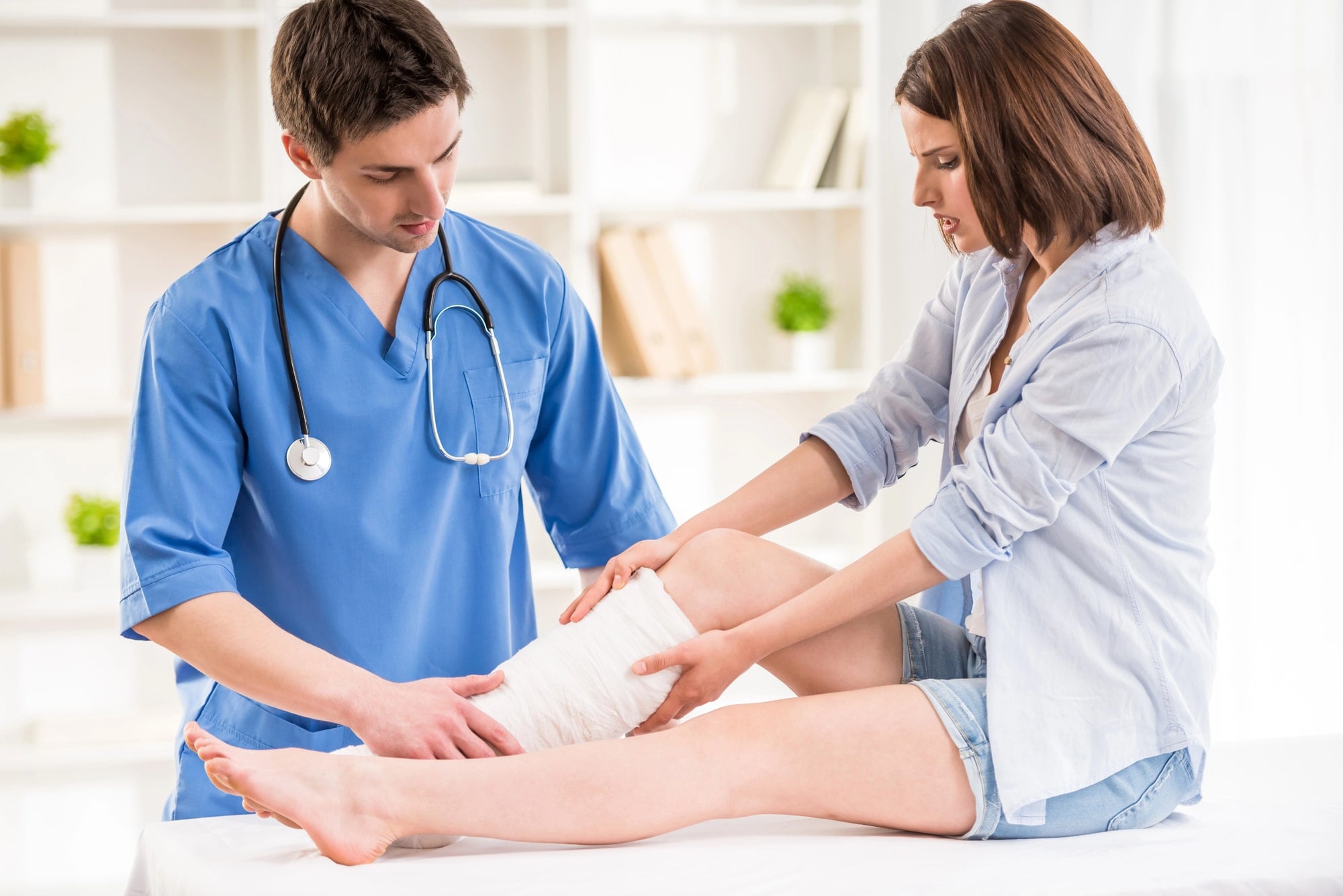
Caring for an aging family member often involves managing health concerns that require regular attention, patience, and professional support. Wounds are particularly challenging for seniors because aging skin, reduced circulation, diabetes, and limited mobility can make healing more complicated. Even a small injury may develop into a serious concern if it is not properly assessed and treated. For families looking for senior wound care at home near Troy MI professional home-based services can provide a convenient way to access appropriate medical attention without requiring an elderly loved one to travel frequently to a healthcare facility.
Home-based wound care focuses on evaluating injuries, monitoring healing progress, and providing treatment according to the patient’s individual medical needs. It can also help families understand how to protect vulnerable skin and recognize potential complications. With qualified healthcare professionals involved, seniors may receive appropriate wound assessments and ongoing support in familiar surroundings. Understanding how these services work can help families make informed decisions about their loved one’s recovery and overall well-being.
Why Seniors Often Need Specialized Wound Care
Older adults experience natural changes in their skin and circulation that can affect how quickly wounds heal. As people age, their skin generally becomes thinner, less elastic, and more vulnerable to injuries. Even minor cuts, scrapes, or pressure-related injuries may require additional attention. Reduced blood circulation can also limit the delivery of oxygen and nutrients needed for tissue repair, making certain wounds slower to heal.
Chronic medical conditions create additional challenges. Diabetes, vascular disease, and certain heart conditions can interfere with normal healing processes. For example, individuals with diabetes may experience nerve damage that reduces sensation in their feet. This means an injury can develop without causing noticeable discomfort, allowing the wound to worsen before anyone recognizes the problem. Regular skin inspections and professional medical assessments are particularly important for these individuals.
Limited mobility is another common concern among seniors. Individuals who spend extended periods in a bed or wheelchair may develop pressure injuries when the same areas of skin experience prolonged pressure. Common locations include the heels, hips, tailbone, and elbows. Without appropriate prevention and treatment, these injuries can become deeper and more difficult to manage. Professional wound care helps identify these concerns and establish an appropriate treatment strategy.
What Does Senior Wound Care at Home Involve?
Home-based wound care involves professional assessment and treatment delivered at the patient’s residence. Depending on the provider’s qualifications and the patient’s medical condition, services may include wound examination, dressing changes, cleaning, monitoring, and recommendations for additional medical treatment. The purpose is to manage the wound appropriately while considering the patient’s overall health, mobility, and recovery requirements.
For families seeking senior wound care at home near Troy MI, the process generally begins with an initial assessment. A qualified healthcare professional reviews the patient’s medical history, existing diagnoses, medications, and previous wound treatments. The affected area is examined to understand its location, size, depth, surrounding skin condition, and other relevant characteristics. These observations help determine the appropriate approach to wound management.
After the assessment, the healthcare professional may recommend a treatment schedule and explain how the wound should be monitored between appointments. Depending on the situation, treatment may involve specialized dressings, appropriate cleaning techniques, pressure reduction, and regular evaluations. Patients with complicated wounds may also require additional testing, specialist consultations, or treatment at a medical facility. Families should always follow the healthcare professional’s instructions rather than attempting unfamiliar wound treatments independently.
Common Types of Wounds Affecting Older Adults
Seniors can develop several types of wounds that require professional attention. Pressure injuries are especially common among individuals with limited mobility. These wounds develop when prolonged pressure reduces blood flow to particular areas of the body. Early signs may include persistent discoloration, warmth, swelling, or changes in skin texture. More advanced injuries can involve open wounds and deeper tissue damage, making early identification important.
Diabetic wounds are another significant concern for older adults. High blood glucose levels can interfere with the body’s natural healing processes and increase the risk of infection. When combined with reduced sensation or circulation problems, even a small foot injury can become serious. Regular foot inspections, appropriate footwear, blood sugar management, and professional wound assessments can help address potential problems before they become more complicated.
Surgical wounds may also require continued monitoring after a patient returns home from a hospital or outpatient procedure. Although many surgical incisions heal without complications, some patients experience delayed healing, irritation, or infection. Other common concerns include skin tears, traumatic injuries, and chronic ulcers associated with circulation problems. Each wound requires an individualized treatment approach based on its cause, severity, and the patient’s medical condition.
Benefits of Comfortable Wound Healing in Your Home Michigan
Receiving wound care at home can make treatment more manageable for seniors who have difficulty traveling. Transportation, long waiting periods, and physical discomfort can create additional challenges for individuals with mobility limitations. Home visits reduce the need for unnecessary travel when the patient’s condition can safely be managed outside a medical facility. This can make it easier to maintain scheduled assessments and follow recommended treatment routines.
Seniors may feel more relaxed discussing medical concerns when they are surrounded by their everyday belongings and supported by family members. Comfortable wound healing in your home Michigan is also about receiving attention in a familiar environment. Caregivers can participate in appointments, ask questions, and better understand how to assist with wound protection between visits. This communication can be particularly valuable when patients have memory difficulties or need help following medical instructions.
Another advantage is the opportunity for healthcare professionals to consider the patient’s living environment. Factors such as sleeping arrangements, mobility equipment, pressure points, and daily routines can influence wound management. For example, a patient who spends most of the day in a wheelchair may need recommendations for pressure-relieving cushions and repositioning. Addressing these practical details can help create a more realistic care plan that supports the patient’s individual circumstances.
Recognizing Wound Infection and Other Warning Signs
Monitoring wounds between professional appointments is an important responsibility for patients and caregivers. Some changes may indicate that a wound is not healing as expected or that an infection is developing. Increasing redness, swelling, warmth, worsening pain, unusual drainage, or an unpleasant odor should be brought to a healthcare professional’s attention. These symptoms do not always confirm an infection, but they deserve appropriate evaluation.
Certain symptoms require more urgent attention. Fever, chills, rapidly spreading redness, severe pain, confusion, or sudden deterioration in the patient’s overall condition may indicate a serious problem. Families should seek prompt medical evaluation rather than waiting for the next scheduled home visit. If the patient appears seriously ill or experiences a medical emergency, emergency services should be contacted immediately.
Caregivers should avoid applying unapproved substances, removing prescribed dressings unnecessarily, or attempting procedures without professional guidance. Different wounds require different management approaches, and an unsuitable treatment may interfere with healing. Keeping the wound clean according to instructions, following dressing recommendations, and documenting noticeable changes can help healthcare professionals evaluate progress more accurately.
How Families Can Support Wound Recovery at Home
Family involvement plays an important role in supporting seniors who receive wound care at home. Although healthcare professionals provide clinical assessments and treatment recommendations, caregivers often help maintain daily routines and observe changes between appointments. One useful step is to keep a record of wound-related instructions, appointment dates, dressing changes, and symptoms. Having this information available makes communication with the healthcare provider more organized.
Nutrition and hydration also deserve attention. The body requires adequate protein, vitamins, minerals, and fluids to support normal tissue repair. Older adults who have poor appetites or dietary restrictions may struggle to meet their nutritional needs. Families should discuss nutritional concerns with a qualified healthcare professional, particularly when the patient has diabetes, kidney disease, or another condition that affects dietary recommendations.
Preventing additional skin damage is equally important. Caregivers may need to assist with regular repositioning, pressure relief, gentle skin care, and safe movement, depending on the patient’s condition. Bedding and clothing should be kept clean and comfortable, while mobility equipment should be used according to professional recommendations. These measures can help protect vulnerable skin and support the overall wound management plan.
Choosing a Reliable Home Wound Care Provider Near Troy, Michigan
Selecting an appropriate wound care provider requires more than finding someone who offers convenient home visits. Families should ask about the qualifications of the healthcare professionals, their experience with senior patients, and the types of wounds they are equipped to assess and manage. It is also important to understand how treatment plans are developed, how often follow-up appointments are recommended, and what happens when a wound requires specialized medical intervention.
Communication should be another important consideration. A reliable provider should explain treatment recommendations clearly and give patients and caregivers an opportunity to ask questions. Families should understand which changes need to be reported, how urgent concerns are handled, and whether referrals can be arranged when additional expertise is necessary. Clear communication helps prevent confusion and supports safer coordination of care.
Families in Troy and surrounding Oakland County communities can explore Visiting Doctor Solutions for information about in-home physician services and wound care support. Before scheduling an appointment, discuss the senior’s medical history, current wound condition, mobility limitations, and treatment requirements. This conversation can help determine whether the provider’s available services are appropriate for the patient’s needs. Insurance coverage and payment arrangements should also be verified in advance because benefits can vary depending on the patient’s plan and the services provided.
Helping Seniors Receive Appropriate Wound Care with Confidence
Wound management can become more complicated as people age, particularly when chronic conditions, circulation problems, and mobility limitations affect the body’s ability to heal. Professional home-based care offers an option for eligible seniors who need regular wound assessments and treatment but find frequent medical office visits difficult. With appropriate clinical guidance, families can better understand their loved one’s condition and participate in the recovery process.
For those researching senior wound care at home near Troy MI, choosing qualified healthcare professionals and maintaining consistent communication are important steps. Caregivers should follow prescribed treatment instructions, monitor changes in the wound, and seek prompt medical attention when warning signs appear. Good nutrition, pressure management, and appropriate daily care can also support the overall treatment plan.
Ultimately, comfortable wound healing in your home Michigan involves more than treating an affected area. It means considering the senior’s comfort, safety, medical needs, and everyday living environment. With individualized professional support and active family involvement, older adults can receive appropriate wound care while remaining in familiar surroundings whenever home treatment is medically suitable.