







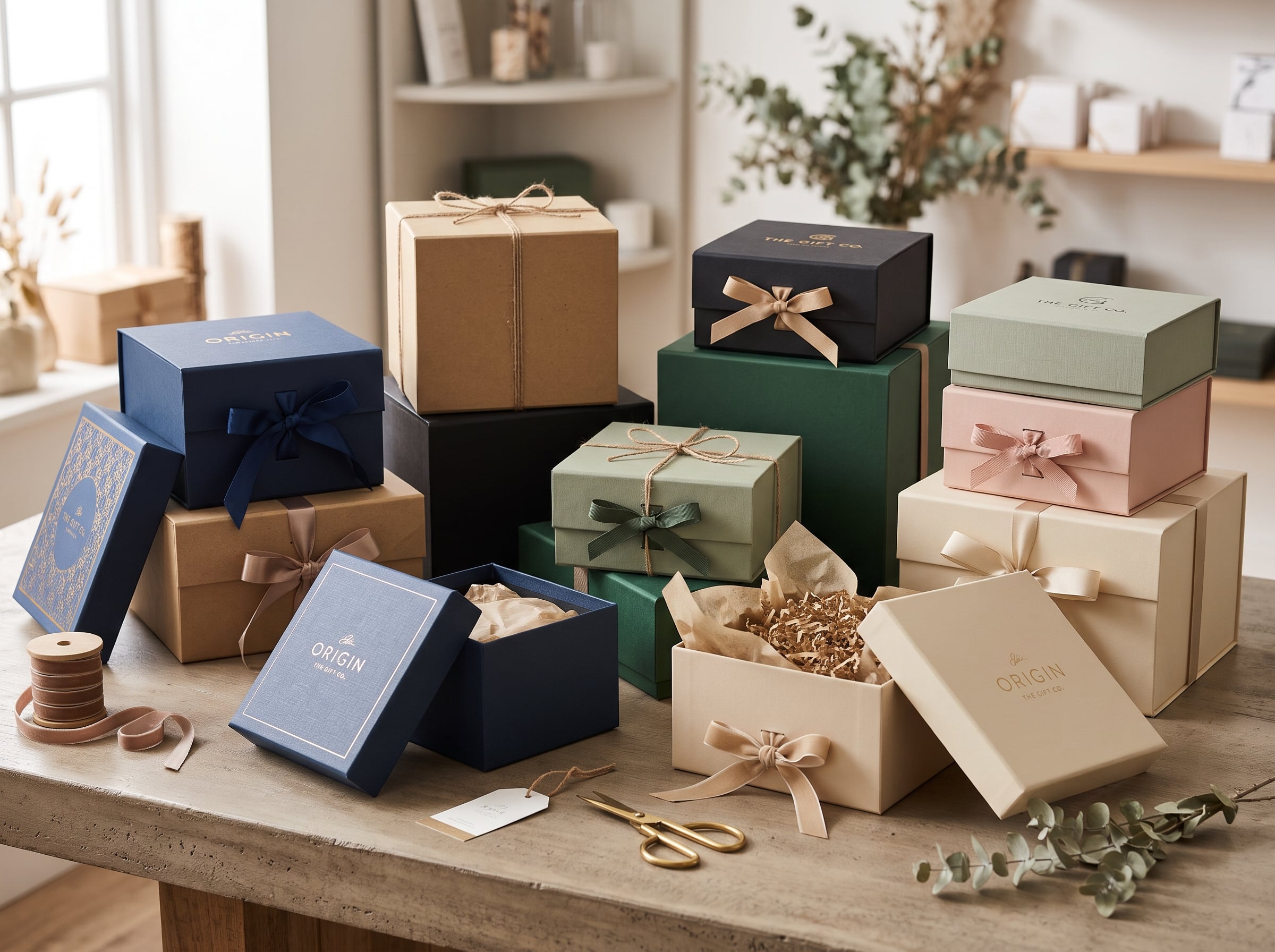
Choosing packaging materials involves more than considering appearance. The material must also suit the product’s weight, dimensions, storage conditions, and handling requirements. Selecting suitable materials helps businesses develop packaging that supports product protection while meeting presentation needs.
How Do Different Packaging Materials Support Product Protection?
Rigid paperboard is commonly used for premium packaging because it provides a firm structure and supports different box styles. Businesses can explore custom rigid boxes when they need packaging manufactured around specific product dimensions and branding requirements.
Kraft paper, printed art paper, and specialty paper wraps offer different exterior appearances. The appropriate option depends on the desired presentation, printing requirements, and intended use.
Why Are Internal Inserts Important?
Internal components also contribute to product protection. Foam inserts can cushion suitable products, while cardboard compartments help separate items and organize multiple components inside a box.
For products that need a structured presentation, custom rigid drawer boxes can incorporate an inner tray and product-specific insert arrangements. These features help position products and reduce unnecessary movement inside the packaging.
How Do Box Dimensions Affect Product Safety?
Packaging dimensions should be developed around the actual product rather than standard measurements. An oversized box may allow excessive movement, while insufficient interior space can put unwanted pressure on the product.
Businesses should consider product length, width, height, weight, and any additional components when determining box dimensions. For packaging that requires a separate lid and base, rigid boxes with lids offer another construction option.
What Should Businesses Review Before Production?
Before approving production, businesses should review:
- Material selection: Choose materials according to product weight, protection needs, and presentation requirements.
- Box construction: Consider the box style and structural requirements.
- Internal layout: Determine whether foam inserts or cardboard compartments are needed.
- Printing: Confirm artwork, brand colors, and printed design details.
- Finishing: Select suitable surface finishes based on appearance and intended handling.
Reviewing these specifications together helps businesses develop packaging that fits their products and branding objectives.
Explore Custom Packaging Solutions
The right packaging combines suitable materials, box construction, dimensions, and internal components. Businesses should evaluate these elements according to their products before finalizing a packaging design.
Explore Shop Rigid Boxes for custom packaging manufactured according to product dimensions, branding requirements, and packaging preferences.