


Healthy hair requires more than using expensive products or following the latest beauty trends. Everyday habits, including how you wash, brush, style, and care for your scalp, can influence the strength and appearance of your hair. Although losing some hair daily is normal, excessive shedding, noticeable thinning, and frequent breakage may indicate that something in your routine needs attention.
Many people unknowingly make hair care mistakes that weaken strands, irritate the scalp, or increase mechanical damage. The good news is that identifying these habits and making small adjustments can help protect your hair and maintain its natural appearance. Here are ten common hair care mistakes that may contribute to hair fall or breakage and how to avoid them.
1. Washing Hair With the Wrong Shampoo
Choosing a shampoo that does not suit your scalp can leave your hair feeling excessively dry, greasy, or difficult to manage. A harsh or irritating formula may also cause scalp discomfort, while inadequate cleansing can allow oil and styling product residue to accumulate.
Select a shampoo according to your scalp type and hair condition. People with oily scalps may need more frequent cleansing, while those with dry or chemically treated hair may benefit from a gentler formula.
Remember that shampoo primarily cleans the scalp and hair. It cannot prevent every type of hair loss, particularly when shedding results from genetics, hormonal changes, or nutritional deficiencies.
2. Using Excessive Heat Styling
Frequent use of straighteners, curling irons, and high-temperature blow-dryers can damage the hair shaft. Repeated heat exposure may cause dryness, split ends, roughness, and breakage, making hair appear thinner.
To minimise damage, reduce the frequency of heat styling and use a moderate temperature whenever possible. Apply a suitable heat protectant according to its instructions, and avoid concentrating heat on one section for too long.
Allowing hair to air-dry partially before blow-drying can also help reduce styling time. These precautions will not eliminate all heat damage, but they can help preserve the condition of fragile strands.
3. Brushing Hair Too Aggressively
Pulling a brush through tangled hair can cause strands to snap, particularly when hair is wet, damaged, or chemically treated. Repeated rough brushing may gradually increase breakage around the lengths and ends.
Instead, use a wide-tooth comb or a suitable detangling brush. Begin at the ends and work upward in small sections, gently loosening knots rather than pulling through them.
Avoid brushing simply because you believe it stimulates hair growth. Gentle detangling helps manage knots, but aggressive brushing can create unnecessary damage and will not correct hair loss originating at the follicles.
4. Skipping Conditioner After Shampooing
Shampoo removes dirt, excess oil, and product residue, but some formulas can leave hair feeling rough or tangled. Skipping conditioner may make damaged strands more difficult to manage, increasing friction during brushing.
A suitable conditioner improves softness, reduces friction, and makes detangling easier. Apply it mainly to the mid-lengths and ends, following the product instructions.
People with particularly dry or curly hair may also benefit from a leave-in conditioner. Although conditioning cannot permanently repair every type of structural damage, it can help protect hair from further breakage during everyday styling.
5. Wearing Tight Hairstyles Regularly
Tight ponytails, braids, buns, and extensions can place repeated tension on hair follicles. Over time, this tension may cause traction alopecia, particularly around the hairline and temples.
Choose looser hairstyles that do not pull painfully on the scalp. Alternate hairstyles when possible and give your hair regular breaks from extensions or heavy accessories.
If you notice thinning around your hairline, small broken hairs, or scalp tenderness, reduce tension immediately and seek professional advice if symptoms persist. Early action is important because prolonged traction can lead to permanent hair loss.
6. Following an Unbalanced Diet
Hair growth depends on adequate nutrition. Insufficient protein, iron, zinc, and other essential nutrients may contribute to hair shedding, especially when a deficiency is significant.
Skipping meals, following restrictive diets, or losing weight rapidly can also disrupt the normal hair growth cycle. Increased shedding may become noticeable weeks or months after the triggering nutritional or physical stress.
Maintain a balanced diet that includes eggs, fish, poultry, beans, lentils, nuts, seeds, fruits, and vegetables. If you suspect a deficiency, consult a healthcare professional before taking supplements. Excessive amounts of certain nutrients can actually worsen hair loss.
7. Applying Too Many Hair Products
Using several styling products, oils, treatments, and homemade remedies simultaneously can make it difficult to identify what works for your hair. Some ingredients may irritate the scalp, while heavy product buildup can leave hair feeling greasy or difficult to cleanse.
Build a simple routine around products that serve a clear purpose, such as cleansing, conditioning, and heat protection. Introduce new products individually and discontinue anything that causes persistent itching, redness, or irritation.
Natural ingredients are not automatically harmless. Undiluted essential oils and unsuitable homemade mixtures can trigger reactions, so choose products carefully and follow their directions.
8. Ignoring Scalp Problems
Dandruff, seborrheic dermatitis, fungal infections, and other scalp conditions can cause itching, inflammation, and discomfort. Scratching an irritated scalp may also damage hair shafts and contribute to breakage.
Keep your scalp clean and choose treatments appropriate for your symptoms. An anti-dandruff shampoo containing a recognised active ingredient may help manage certain conditions, but persistent symptoms may require a dermatologist’s assessment.
Do not assume that every itchy or flaky scalp is simply dandruff. Sudden bald patches, painful areas, severe redness, or scaling accompanied by hair loss should be evaluated professionally.
9. Rubbing Wet Hair With a Towel
Wet hair can be more vulnerable to mechanical damage, especially when it is already weakened by chemical treatments or heat styling. Vigorous towel rubbing creates friction and can cause tangling and breakage.
After washing, gently squeeze excess water from your hair rather than rubbing it forcefully. Use a soft towel or cotton T-shirt to absorb moisture, then detangle carefully with an appropriate comb.
Avoid tying wet hair tightly or immediately applying high heat. Allowing it to dry partially before styling can help reduce the amount of handling and heat exposure required.
10. Ignoring Persistent Hair Fall
One of the most important mistakes is assuming that every hair fall problem can be solved by changing shampoo. Hair loss may result from genetics, hormonal changes, thyroid disorders, nutritional deficiencies, illness, medication, or significant stress.
If shedding is sudden, persistent, or accompanied by visible thinning or bald patches, consult a dermatologist or healthcare professional. They may examine your scalp, review your medical history, and recommend appropriate investigations.
Identifying the underlying cause makes it easier to choose an effective treatment. Cosmetic products can support hair care, but some conditions require targeted medical treatment rather than changes to your washing routine alone.
How to Build a Better Hair Care Routine
Avoiding these mistakes starts with understanding your scalp and hair type. Choose a suitable shampoo, condition regularly, minimise excessive heat, detangle gently, and protect your hair from unnecessary tension. Maintain a balanced diet and address scalp irritation instead of repeatedly trying new products.
Consistency is important because improvements in hair texture and breakage may take time. Monitor changes in shedding and seek professional advice when symptoms do not improve. A simple, appropriate routine is generally more useful than combining numerous products without understanding their purpose.
Conclusion
Excessive hair fall and breakage can sometimes be linked to everyday mistakes, including aggressive brushing, excessive heat styling, unsuitable shampoos, tight hairstyles, and inadequate nutrition. Correcting these habits can help protect fragile strands, improve manageability, and support healthier-looking hair. However, persistent shedding or noticeable thinning should not be ignored because the underlying cause may require professional diagnosis and treatment.
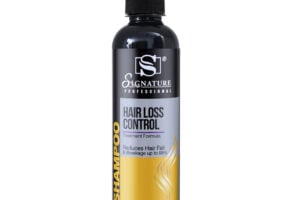
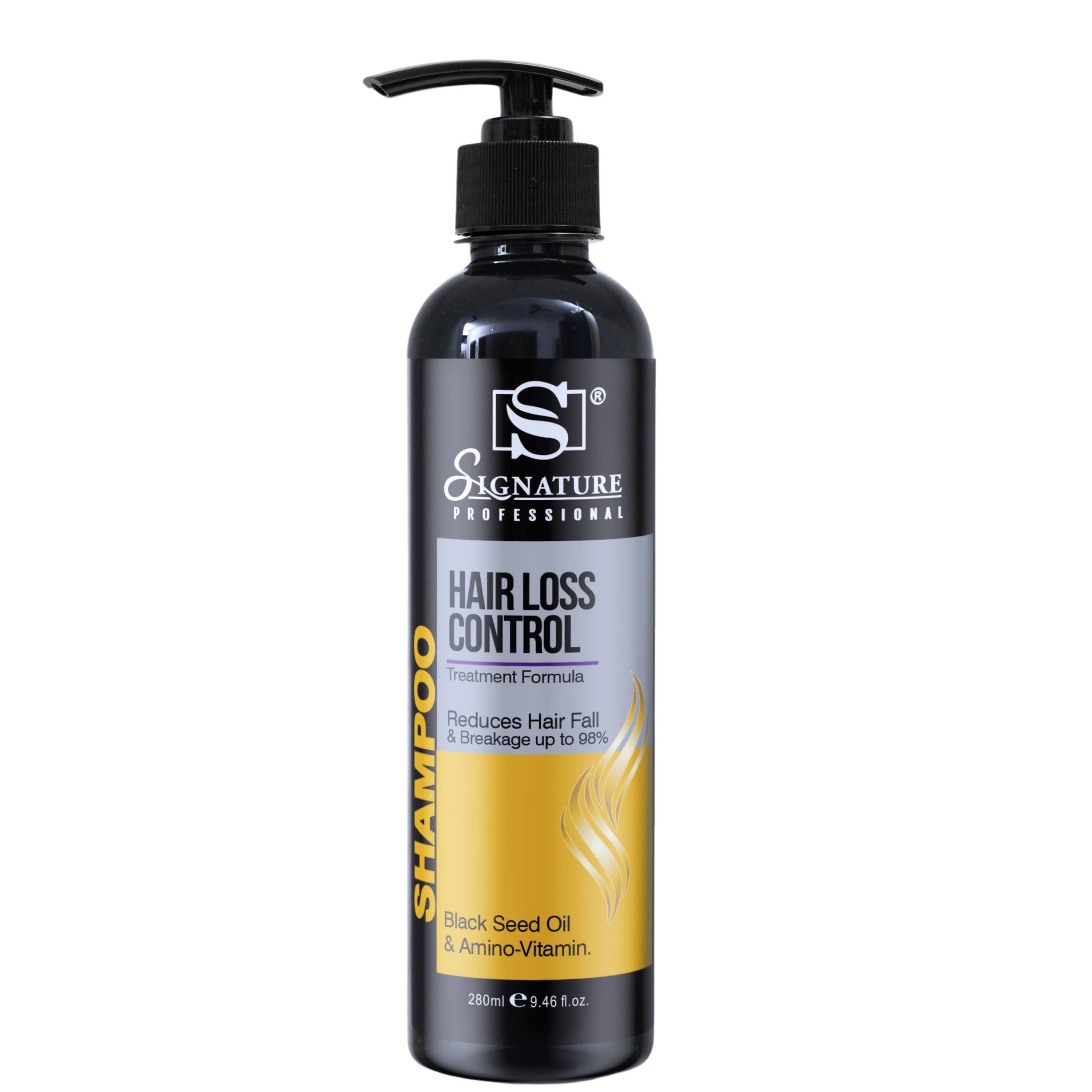
Signature Professional can be considered when building a consistent hair care routine that matches your scalp and hair needs. If you are searching for a Hair Loss Control Shampoo in Pakistan, choose a formula suited to your scalp type and follow its instructions carefully. Remember that shampoo alone cannot prevent every form of hair loss. Combining appropriate hair care products with healthy daily habits and professional guidance when necessary can help you take a more informed approach to maintaining stronger, healthier-looking hair.