








Manufacturing accurate components requires the right combination of machinery, technical knowledge and dependable tooling. As production requirements become more demanding, manufacturers need tools that can deliver consistent results while making efficient use of their equipment.
Processes such as power skiving and thread rolling serve different purposes, but both play an important role in component manufacturing. Understanding their applications helps businesses make better decisions when selecting tools for their production requirements.
Understanding Power Skiving in Gear Manufacturing
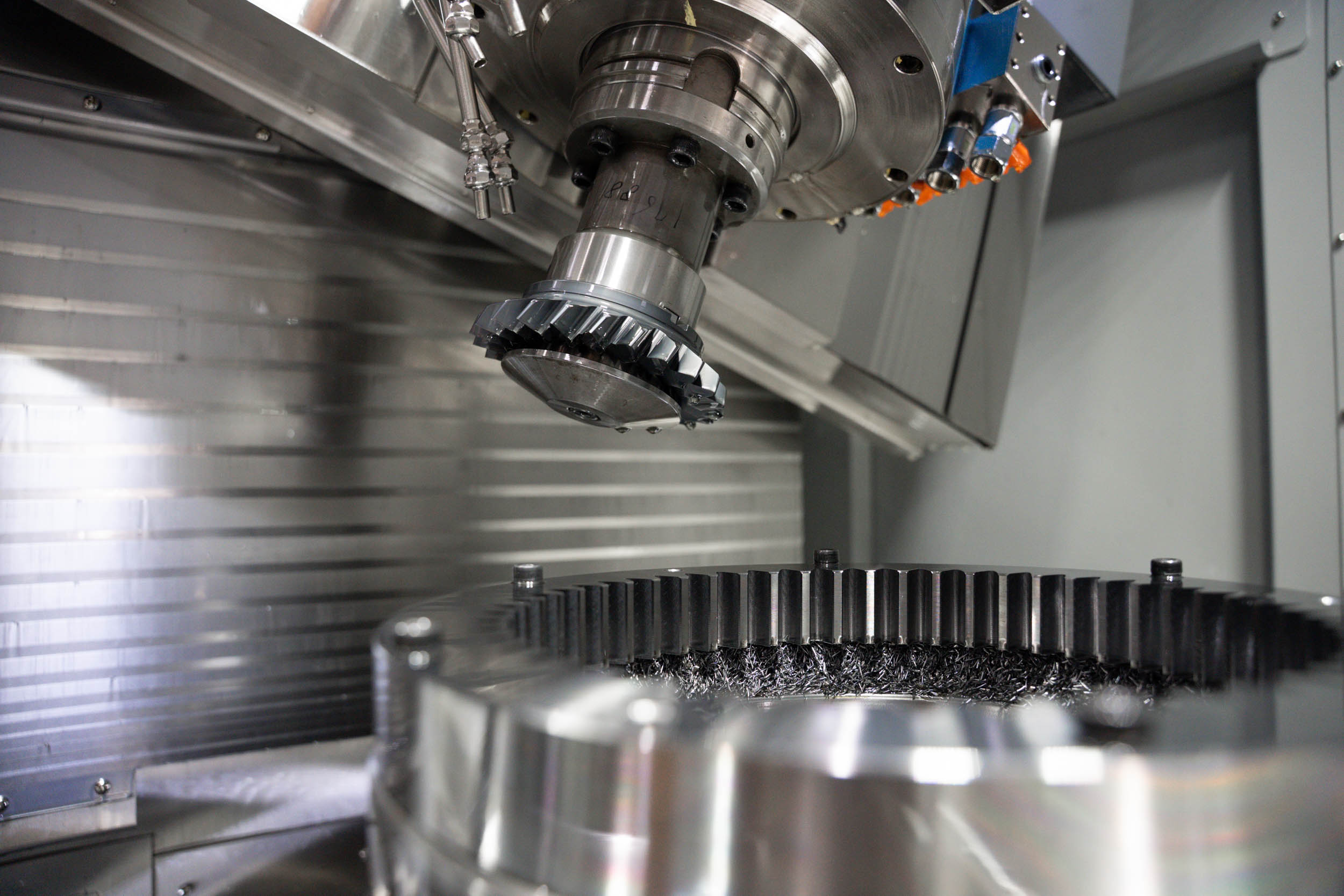
Power skiving is a machining process used to produce internal and external gear profiles. It offers manufacturers an efficient way to machine gear teeth, particularly when working with components that may be difficult to produce using conventional methods.
The process involves a coordinated movement between the cutting tool and the workpiece. Their relative positioning and speed are important for achieving the required tooth geometry.
Choosing suitable power skiving tools manufacturers is an important consideration for businesses investing in this process. Tool design, accuracy, material compatibility and application requirements should all be considered before making a selection.
Why Thread Rolling Is Used in Production
Thread rolling is a forming process that creates threads by pressing a hardened tool against a workpiece. Unlike cutting methods, it forms the thread through controlled material displacement.
This process is commonly used for producing threaded components in applications where strength, consistency and production efficiency matter. Since the material is formed rather than removed, thread rolling can also help maintain a strong thread structure.
The choice of tooling depends on the thread dimensions, material properties and production setup. Selecting the correct tool is essential for achieving the required thread profile.
The Role of Flat Thread Rolling Dies
Flat thread rolling dies are used to form external threads through a controlled rolling action. The workpiece moves between two dies, which gradually create the required thread profile.
These dies are suitable for production environments where repeatability and efficient output are important. Their performance depends on factors such as die geometry, material quality, surface condition and correct machine setup.
Before selecting dies, manufacturers should review the thread specifications and the material being processed. Proper maintenance and regular inspection can also help maintain consistent results throughout production.
Selecting the Right Tooling Partner
Tool selection has a direct influence on production quality. Manufacturers should look beyond price and consider whether a supplier understands the technical requirements of their applications.
When comparing power skiving tools manufacturers, it is useful to examine their product suitability, manufacturing standards and technical support. A supplier should be able to provide clear information about the tools and their intended applications.
The same care applies when sourcing flat thread rolling dies. Buyers should check dimensions, thread specifications and compatibility with their rolling equipment. Clear communication with the supplier can help avoid selection errors and unnecessary production delays.
Maintaining Consistency Across Manufacturing Operations
Even a suitable tool needs the right operating conditions. Correct installation, machine alignment and regular inspection all contribute to dependable performance.
Manufacturers should monitor tool wear and finished component quality during production. Addressing changes early can help reduce rejected parts and avoid interruptions. Operators should also follow suitable machining or rolling parameters for the material and component being produced.
Working with experienced tooling suppliers can make it easier to identify products that match specific production needs. It also gives manufacturers a better foundation for planning future tooling requirements.
Making Practical Tooling Decisions
Power skiving and thread rolling support different manufacturing operations, but both depend on accurate tools and careful process control. Understanding the application, checking technical specifications and maintaining tooling properly can help businesses achieve consistent production results.
For more information about tooling solutions and product options, visit SSTools. Reviewing the available products alongside your manufacturing requirements is a useful first step towards making an informed tooling decision.