





A driveway, car park or access road is one of the first things people notice about a property. It is also one of the hardest-working surfaces you own. It carries vehicles every day, handles Perth’s heat, and has to cope with heavy rain in winter. When the surface is done properly, you hardly think about it. When it is done badly, you notice cracks, puddles and potholes within a couple of seasons.
That is why choosing the right asphalt surfacing company matters as much as choosing the material itself. This guide explains what asphalt surfacing involves, what separates a good contractor from a poor one, and what to check before you sign a quote.
What Is Asphalt Surfacing?
Asphalt is a mix of aggregate (crushed stone and sand) bound together with bitumen. It is laid hot, compacted with rollers and cools into a firm, flexible surface. You will find it on roads, residential driveways, commercial car parks, loading yards, tennis courts and footpaths. You can read a general overview of the material on Wikipedia.
Surfacing simply means laying that finished top layer, either on a new prepared base or over an existing surface that has been repaired. The quality of the result depends far more on preparation than on the asphalt itself.
Why Asphalt Is Popular in Perth
Asphalt suits Western Australian conditions for several reasons:
- Flexibility: it can move slightly with the ground, which helps reduce cracking on sandy soils.
- Speed: most residential jobs are finished in a day or two, and the area can be used again soon after it has cooled.
- Cost: it is usually more affordable than many alternatives for large areas.
- Repairability: damaged sections can be cut out and patched without replacing everything.
- Appearance: a clean black finish makes a property look neat and well kept.
If you are searching for asphalt surfacing Perth businesses and homeowners trust, the material is only half of the decision. The crew who prepares and lays it is the other half.
How a Professional Asphalt Job Works
Knowing the process helps you judge quotes and spot shortcuts.
1. Site inspection and measurement. A reliable contractor looks at the area in person, checks drainage and levels, and measures accurately. Quotes given purely over the phone are a warning sign.
2. Excavation and base preparation. Old surface and soft material are removed. The base is shaped, compacted and graded so water runs away from buildings. Most surface failures start here.
3. Tack coat or primer. Where asphalt is laid over an existing hard surface, a bonding layer helps the new asphalt stick.
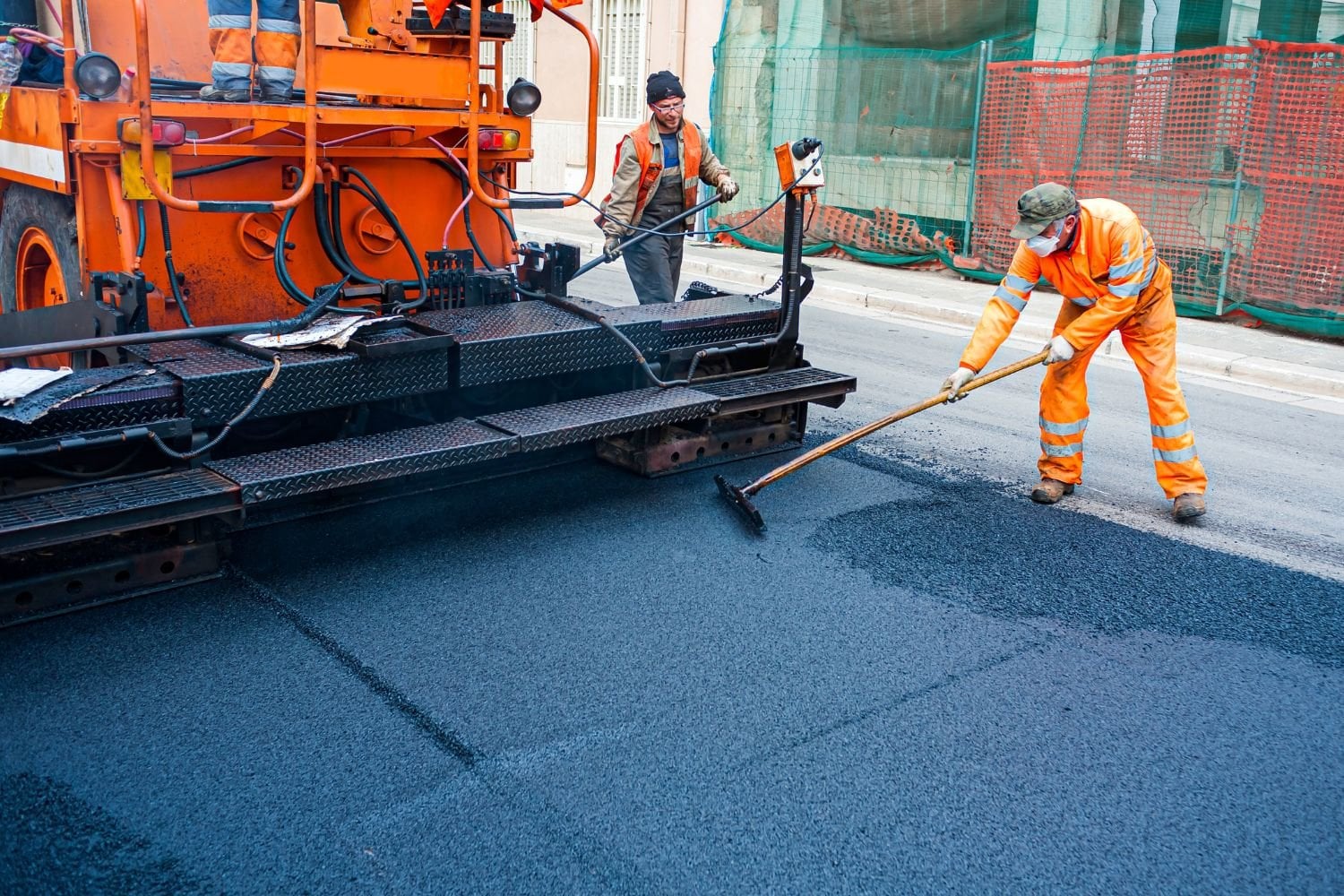
4. Laying the asphalt. Hot mix is spread to the correct thickness and levels, with edges and joins finished carefully.
5. Compaction. Rollers compact the mix while it is still hot. Poor compaction leads to loose surfaces and early wear.
6. Final check and cleanup. The surface is checked for levels, ponding and neat edges, and the site is left clean.
What to Look for in an Asphalt Surfacing Company
Not every contractor offers the same standard of work. Use this checklist when comparing options:
- Local experience. A company that works regularly in Perth understands local soils, weather and council requirements.
- Licences and insurance. Ask for proof of public liability insurance and any licences needed for the work.
- Clear, itemised quotes. The quote should state the area, thickness, base preparation, drainage and what is included.
- Recent examples of work. Photos of finished jobs, and ideally references from similar projects, tell you more than a sales pitch.
- Proper equipment. Rollers and screeding equipment matter. Hand-finishing a large area rarely gives an even result.
- Written warranty. A confident contractor will put their workmanship guarantee in writing.
- Honest reviews. Check Google reviews and look at how the company responds to feedback, good or bad.
A business like Strata Surfacing Pty Ltd is a good example of a local provider whose reviews and project photos you can check publicly before making contact.
Residential vs Commercial Asphalt Work
Residential jobs usually involve driveways, paths and small parking areas. The focus is on a neat finish, correct falls for drainage and clean edges against garages, gardens and paving.
Commercial jobs include car parks, access roads, warehouses and industrial yards. These need thicker, stronger layers, line marking, careful scheduling to limit disruption, and surfaces built for heavier traffic.
Whichever you need, ask the contractor whether they have done similar work before. A crew used to driveways may not be the right choice for a heavy-traffic yard.
Common Mistakes to Avoid
- Choosing the lowest price only. A very cheap quote often means a thin layer or a poorly prepared base.
- Skipping drainage planning. Standing water breaks down asphalt quickly.
- Laying over a failing base. New asphalt over a soft or damaged base will fail again.
- No written scope. Verbal promises are hard to enforce if something goes wrong.
- Driving on it too early. Follow the contractor’s advice on curing and cooling time.
How to Look After New Asphalt
Good maintenance extends the life of the surface:
- Avoid heavy vehicles and sharp turning on new asphalt for the first few days, especially in hot weather.
- Do not park heavy objects in one spot for long periods.
- Clean oil and fuel spills quickly, as they can soften the surface.
- Keep drains and edges clear of leaves and debris.
- Repair small cracks early, before water gets into the base.
Frequently Asked Questions
1. How long does asphalt last?
With a well-prepared base and basic maintenance, a good asphalt surface can last many years. Traffic load, drainage and sun exposure all affect lifespan, so ask your contractor for an honest estimate for your site.
2. How long before I can drive on new asphalt?
It depends on thickness and temperature. Light vehicles can often use it once it has cooled, but your contractor should give you a specific time. Take extra care in hot weather, when the surface stays soft for longer.
3. How much does an asphalt surfacing company charge?
Prices depend on the area, thickness, base condition, access and whether old material must be removed. Ask for an itemised written quote from a few companies and compare what is included, not just the total.
4. Can asphalt be laid over an existing driveway?
Sometimes. If the old surface is stable with only minor wear, a new layer can be laid over it after repairs. If the base is cracked, sunken or moving, it should be removed and rebuilt first.
5. Is asphalt better than concrete?
Neither is better in every case. Asphalt is usually cheaper, quicker to install and easier to repair. Concrete can last longer in some situations but costs more and is harder to fix when it cracks. The right choice depends on your budget, use and site.
Final Thoughts
A good asphalt surface comes down to three things: solid preparation, correct materials and careful laying. Take time to compare local contractors, ask about base preparation and drainage, and get everything in writing before work begins.
If you are looking for an experienced asphalt surfacing company in Perth, you can visit the Strata Surfacing website to see their services and get in touch for a quote.