





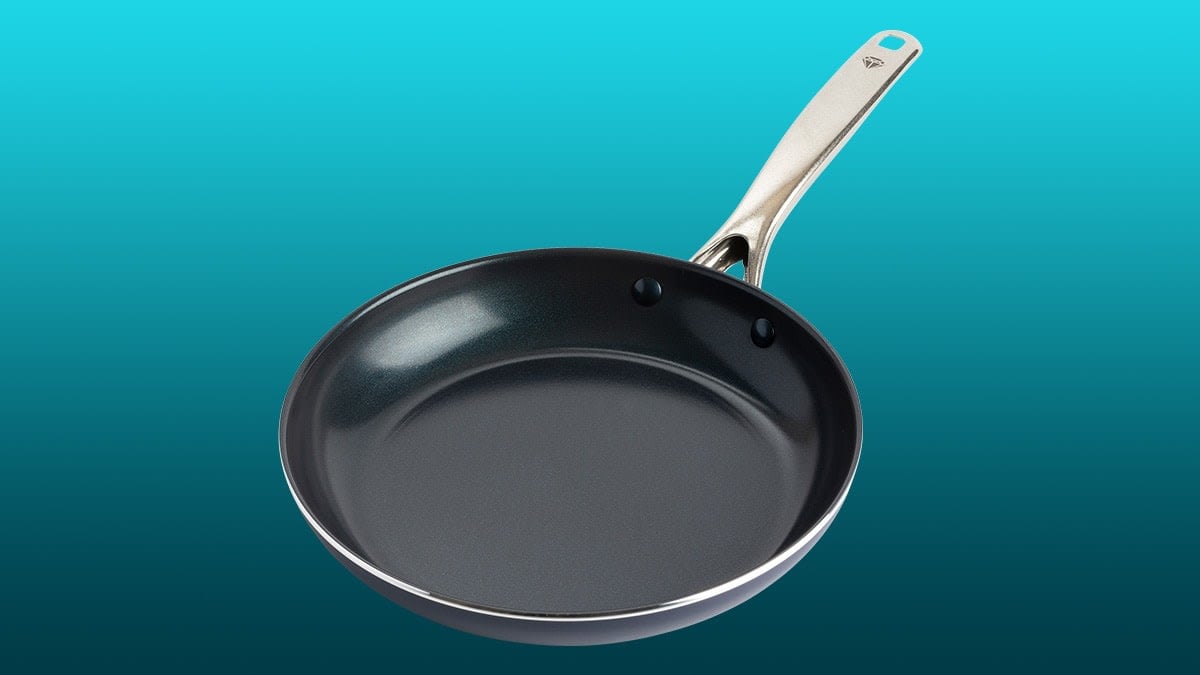
Choosing the right frying pan can make everyday cooking easier, more enjoyable, and more consistent. From preparing crispy eggs to searing meat and sautéing vegetables, a reliable pan is an essential tool in any kitchen. One cookware option gaining attention among home cooks and professional chefs is the blue carbon steel frying pan.
Blue carbon steel cookware combines the responsiveness of carbon steel with a durable construction designed for regular cooking. With proper seasoning and care, a carbon steel frying pan can develop a naturally slick cooking surface and deliver excellent results across a variety of recipes.
In this guide, we will explore the features of a blue carbon steel frying pan, its main benefits, how it compares with other cookware, and the best ways to season and maintain it.
What Is a Blue Carbon Steel Frying Pan?
A blue carbon steel frying pan is made from carbon steel that has undergone a heat treatment process to create a blue-toned surface. This treatment can help provide temporary protection against corrosion, but it does not make the pan rustproof.
Carbon steel is valued for its ability to heat up relatively quickly and respond to changes in cooking temperature. It is commonly used for searing, frying, sautéing, and other cooking techniques that benefit from precise heat control.
Unlike many stainless steel pans, carbon steel cookware typically requires seasoning to develop a protective layer that improves food release and helps prevent rust.
Key Features of a Blue Carbon Steel Frying Pan
Understanding the main features of carbon steel cookware can help you decide whether it suits your cooking style.
1. Durable Carbon Steel Construction
Carbon steel is a sturdy material that can handle regular cooking when maintained correctly. It is designed for repeated use and can last for many years with proper cleaning, drying, and seasoning.
Although carbon steel is durable, it can rust if left wet or exposed to moisture for extended periods. Proper maintenance is essential for preserving its condition.
2. Fast Heating and Temperature Control
Carbon steel pans generally heat up quickly and respond well when you adjust the cooking temperature. This responsiveness is useful when searing meat, browning vegetables, or preparing recipes that require changes in heat.
For the best results, preheat the pan gradually and use an appropriate heat setting. Excessively high heat can cause food to burn or make temperature control more difficult.
3. Naturally Developed Nonstick Properties
A carbon steel frying pan can develop a seasoned surface through repeated applications of a thin layer of cooking oil and heating. This process creates a protective coating that can improve food release over time.
However, carbon steel is not nonstick straight out of the box in the same way as a factory-coated nonstick pan. Proper seasoning, preheating, and the right amount of cooking fat all influence performance.
4. Versatility for Different Cooking Methods
Depending on the specific model, a carbon steel frying pan may be suitable for stovetop cooking, oven use, and high-heat searing. Always check the manufacturer’s instructions for oven temperature limits, handle materials, and compatibility with your cooktop.
This versatility makes carbon steel a useful option for cooks who prepare a variety of meals using different techniques.
Benefits of Using a Blue Carbon Steel Frying Pan
1. Excellent for Searing and Browning
Carbon steel is popular for cooking foods that benefit from a well-browned exterior. When properly preheated, a carbon steel pan can help develop a flavorful crust on steaks, chicken, and vegetables.
For effective browning, avoid overcrowding the pan and allow moisture to evaporate rather than accumulate. These simple techniques can improve the texture and color of your food.
2. Lightweight Alternative to Many Cast Iron Pans
Many carbon steel frying pans are lighter than cast iron pans of comparable size. This can make them easier to lift, move, and handle during everyday cooking.
The actual weight depends on the pan’s diameter and thickness, so check the product specifications if handling comfort is important to you.
3. A Cooking Surface That Improves with Use
With consistent seasoning and maintenance, carbon steel can develop a darkened surface that supports better food release. The seasoning may change in appearance as the pan is used, and uneven coloration is not necessarily a sign of damage.
Over time, many cooks appreciate how their carbon steel pan develops a surface shaped by regular use and care.
4. Suitable for Everyday Cooking
A carbon steel frying pan can be used for a wide range of recipes, including fried eggs, pancakes, sautéed vegetables, and meat dishes. Its performance depends on appropriate preheating, seasoning, and cooking technique.
For delicate foods, beginners may need some practice to achieve reliable food release. Starting with foods that tolerate higher heat can help you become familiar with the pan.
5. Long-Term Value
A well-maintained carbon steel frying pan can provide years of service. Unlike cookware that relies entirely on a factory-applied nonstick coating, its seasoned surface can be maintained and rebuilt when necessary.
The overall value depends on the purchase price, construction quality, frequency of use, and willingness to follow the required care routine.
How to Season a Blue Carbon Steel Frying Pan
Seasoning is one of the most important steps in caring for carbon steel cookware. It helps protect the metal from rust and improves food release.
Always follow the instructions supplied with your particular pan, especially if it arrives pre-seasoned.
Step 1: Clean the Pan
If the manufacturer recommends cleaning before first use, wash the pan with warm water and a small amount of dish soap. Dry it thoroughly with a clean towel.
Step 2: Apply a Thin Layer of Oil
Add a small amount of cooking oil suitable for high-temperature use. Spread it over the cooking surface, then wipe away the excess with a clean cloth or paper towel.
The surface should look almost dry rather than greasy. Too much oil can create a sticky or uneven coating.
Step 3: Heat the Pan Carefully
Follow the manufacturer’s recommended seasoning method, whether it involves stovetop heating or oven seasoning. Ensure proper ventilation and avoid overheating the oil.
Step 4: Let the Pan Cool
Allow the pan to cool safely before handling or storing it. Repeat the seasoning process if the instructions recommend additional layers.
Step 5: Build the Seasoning Through Regular Use
Cooking with suitable oils and foods can gradually strengthen the seasoned surface. Avoid leaving acidic foods in the pan for extended periods, particularly when the seasoning is new or delicate.
Care Tips to Keep Your Carbon Steel Frying Pan in Good Condition
Proper care helps maintain the pan’s performance and extend its useful life.
Clean After Each Use
Allow the pan to cool slightly before cleaning. Use warm water and a soft sponge or brush to remove food residue. A small amount of dish soap is generally acceptable for seasoned carbon steel unless the manufacturer advises otherwise.
Avoid leaving the pan submerged in water or putting it in the dishwasher.
Dry It Immediately
Dry the pan thoroughly after washing. You can place it over low heat briefly to remove remaining moisture, taking care not to overheat it.
Apply a Light Coat of Oil
Once the pan is dry, wipe a very thin layer of cooking oil over the cooking surface if recommended by the manufacturer. This helps protect the metal during storage.
Avoid Prolonged Exposure to Acidic Foods
Tomatoes, vinegar-based sauces, and other acidic ingredients can weaken seasoning, especially on a newer pan. For long-simmering acidic recipes, stainless steel or enamel-coated cookware may be a more convenient choice.
Store in a Dry Place
Keep your pan in a dry cabinet or storage area. If stacking cookware, place a protective layer between pans to reduce scratches and damage.
Blue Carbon Steel vs. Cast Iron vs. Stainless Steel
Different cookware materials offer different advantages. The best option depends on the meals you prepare and the amount of maintenance you prefer.
| Feature | Blue Carbon Steel | Cast Iron | Stainless Steel |
|---|---|---|---|
| Heating response | Generally responsive | Usually slower to respond | Depends on construction |
| Weight | Often lighter | Often heavier | Varies by design |
| Seasoning | Usually required | Often beneficial | Not required |
| Rust prevention | Requires proper drying and care | Requires proper drying and care | Generally more corrosion-resistant |
| Best uses | Searing, frying, sautéing | Searing and heat retention | Browning, sauces, acidic foods |
| Maintenance | Regular care and seasoning | Regular care and seasoning | Generally straightforward |
Carbon steel is a strong choice for cooks who enjoy responsive cookware and do not mind maintaining a seasoned surface. Stainless steel may be more convenient for acidic sauces and low-maintenance cleaning, while cast iron is often preferred for its heat retention.
Is a Blue Carbon Steel Frying Pan Right for You?
A blue carbon steel frying pan may be a good choice if you enjoy searing, frying, and cooking with a pan that can develop its own seasoned surface. It can be especially appealing to cooks who want durable cookware without relying on a conventional synthetic nonstick coating.
However, it may not suit everyone. Carbon steel requires careful drying and some ongoing maintenance, and delicate foods may stick if the pan is not properly seasoned or heated.
Before purchasing, consider the pan’s dimensions, weight, handle design, cooktop compatibility, and care instructions.
What to Consider Before Buying
When comparing carbon steel frying pans, look beyond appearance and price.
- Size: Choose a diameter that matches your typical portion sizes and available burner space.
- Thickness: Consider how the pan balances responsiveness, heat distribution, and durability.
- Handle design: Check comfort, grip, and whether the handle is oven-safe.
- Cooktop compatibility: Confirm suitability for gas, electric, ceramic, or induction cooking.
- Seasoning requirements: Determine whether the pan arrives pre-seasoned and what preparation is needed.
- Care instructions: Make sure you are comfortable with the cleaning and drying routine.
- Warranty and support: Review the manufacturer’s warranty and product guidance.
If you are researching a Made In Blue Carbon Steel Frying Pan Review, compare information about construction, heat response, handling, seasoning, and everyday cooking performance. Check the exact model specifications and read multiple customer experiences before deciding whether it fits your kitchen and budget.
Final Thoughts
A blue carbon steel frying pan can be a valuable addition to a kitchen, offering responsive heating, durable construction, and a seasoned surface that can improve with regular use. It is particularly useful for searing, browning, frying, and sautéing.
The key to getting the best results is understanding how carbon steel behaves. Preheat the pan appropriately, maintain its seasoning, dry it thoroughly after cleaning, and store it in a dry place.
If you are willing to provide this basic care, a quality carbon steel frying pan can become a dependable tool for everyday cooking for years to come.