





Imagine producing your own electricity while gaining greater control over monthly household expenses. The right energy solution can help reduce dependence on conventional power and protect against rising utility costs. However, choosing equipment based on price alone may lead to disappointing performance over time. Understanding efficiency, durability, installation quality, and long-term value can help you make a smarter investment.
Understanding Your Needs
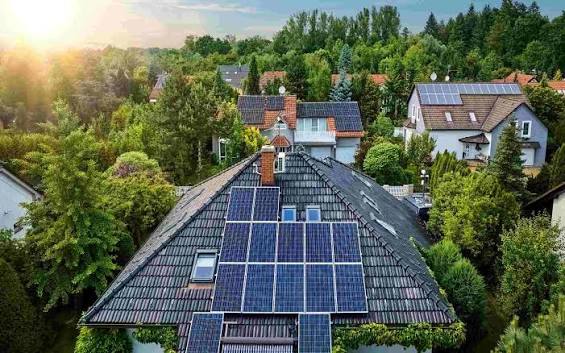
Before exploring different panel options, consider how residential solar panels can support your household’s energy goals. The ideal choice depends on your electricity consumption, available roof space, local climate, and budget. Reviewing previous utility bills can reveal how much electricity your household uses throughout the year and help determine an appropriate system size.
Your future requirements also deserve attention. A growing family, an electric vehicle, or additional appliances may increase energy consumption over time. Planning for these possibilities can prevent an undersized installation and reduce the likelihood of expensive upgrades. A clear understanding of your needs makes it easier to compare proposals and select equipment that delivers practical, lasting value.
Comparing Panel Efficiency
Solar panel efficiency describes how effectively a panel converts sunlight into usable electricity. Higher-efficiency models can generate more power from a smaller roof area, making them particularly useful for properties with limited installation space. However, efficiency should never be the only factor influencing your purchasing decision.
Compare efficiency ratings alongside temperature performance, degradation rates, product warranties, and overall cost. Some panels may offer excellent output in laboratory conditions but perform differently under local weather conditions. Reviewing independent specifications and asking installers for realistic production estimates can help you understand how different options are likely to perform on your property.
Evaluating Available Technologies
Different panel technologies offer distinct advantages depending on the installation environment. Monocrystalline panels are widely chosen for their efficiency and space-saving characteristics, while other technologies may suit particular budgets or applications. Comparing these options helps homeowners identify equipment that balances performance, affordability, and expected service life.
When reviewing available products, pay attention to the following considerations:
- Conversion efficiency: Determine how much electricity a panel can generate relative to its surface area.
- Temperature coefficient: Check how performance changes as panel temperatures increase.
- Degradation rate: Review how gradually the panel’s output is expected to decline.
- Product warranty: Understand the manufacturer’s coverage for defects and material failures.
- Physical durability: Confirm that the equipment is designed for local wind, rain, and other environmental conditions.
These details provide a more reliable basis for comparison than appearance or promotional claims alone. Selecting suitable equipment can help maintain consistent production and support better long-term financial results.
Assessing Roof Conditions
Your roof plays a significant role in determining how effectively a solar installation performs. Orientation, slope, shading, structural strength, and usable surface area all influence electricity generation. A professional assessment can identify potential obstacles and determine whether your roof requires repairs before installation begins.
Shade from trees, nearby buildings, or rooftop structures can reduce output, sometimes affecting multiple panels. Installers may recommend alternative layouts or suitable power electronics to manage these limitations. It is also important to consider roof age, since removing and reinstalling equipment for future repairs can increase costs. Addressing these factors early helps create a safer, more dependable installation.
Choosing Reliable Equipment
Panels are only one component of an effective energy solution. Inverters, mounting hardware, wiring, and monitoring equipment also influence reliability and overall performance. When comparing residential solar systems, evaluate the compatibility of all components rather than focusing exclusively on the specifications of individual panels.
Ask potential installers to explain the proposed equipment, expected electricity production, and maintenance requirements. A dependable inverter, secure mounting arrangement, and suitable electrical protection can help reduce operational problems. Monitoring features are especially useful because they allow homeowners to identify unexpected changes in production and arrange inspections when necessary.
Prioritizing Installation Quality
Even high-quality equipment can underperform when installed incorrectly. Experienced professionals should evaluate the property, design an appropriate layout, follow applicable electrical standards, and secure all components properly. Their work should also include testing and clear instructions for monitoring the completed installation.
Before signing a contract, check installer credentials, customer references, workmanship warranties, and the details of the proposed project. Request a written estimate that identifies equipment models, expected production, payment terms, and responsibilities after installation. Transparent documentation helps you compare providers fairly and gives you a clearer understanding of the service you are purchasing.
Protecting Long-Term Performance
Once your system is operating, simple maintenance practices can help preserve its performance. Monitor electricity generation regularly and investigate significant declines that cannot be explained by seasonal weather changes. Keep the surrounding area free from avoidable shading, and arrange professional inspections if equipment appears damaged or begins operating unexpectedly.
Avoid unnecessary cleaning or repairs that could compromise electrical safety or damage panel surfaces. Follow the manufacturer’s maintenance recommendations and retain warranty documents for future reference. With appropriate care, a well-designed installation can provide dependable electricity generation for many years, helping households manage energy expenses more effectively.
Building Lasting Savings
Choosing the right solar equipment requires careful consideration of efficiency, durability, installation quality, and long-term costs. By comparing available options and understanding your household’s energy needs, you can make a more informed investment. With Nexis Power, you can take a step toward improved energy efficiency, reliable performance, and lasting savings. Thoughtful planning and quality solar solutions can help create a more sustainable future for your home.