







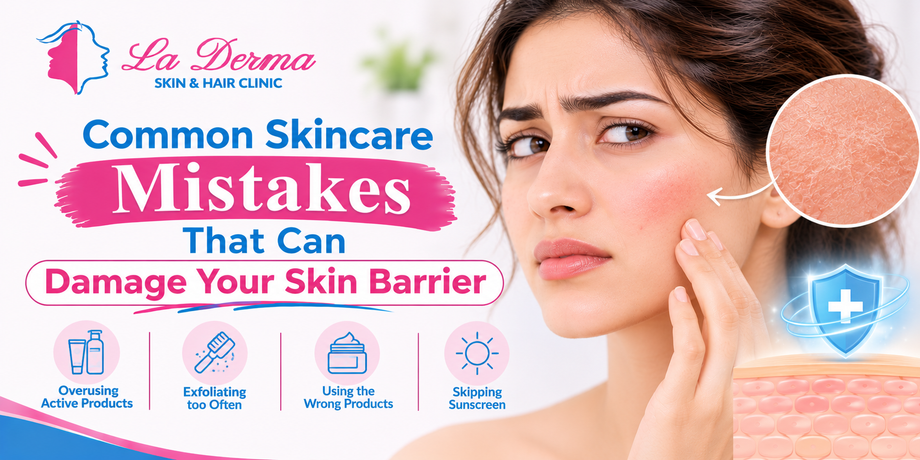
Healthy skin depends on more than just using expensive skincare products. Your skin barrier acts as the first line of defense against pollution, bacteria, irritants, and moisture loss. However, everyday habits such as over-exfoliation, using harsh cleansers, and combining multiple active ingredients can weaken this protective layer. Consulting a Top Dermatologist in Kolkata can help you understand your skin’s specific needs and avoid skincare mistakes that may lead to irritation, dryness, and sensitivity. Maintaining a healthy skin barrier requires a consistent routine, suitable products, and proper dermatological guidance.
What Is the Skin Barrier and Why Does It Matter?
The skin barrier, medically known as the stratum corneum, is the outermost layer of the skin. It helps retain moisture and protects deeper skin layers from external irritants and environmental damage.
When this protective layer becomes compromised, you may experience:
-
Persistent dryness and flaky skin.
-
Redness, itching, and irritation.
-
Increased sensitivity to skincare products.
-
Tightness or burning sensations.
-
Frequent breakouts and inflammation.
Recognizing these symptoms early can help prevent further irritation.
6 Common Skincare Mistakes That Can Damage Your Skin Barrier
1. Over-Exfoliating Your Skin
Exfoliation removes dead skin cells and improves skin texture. However, excessive use of physical scrubs, AHAs, and BHAs can strip away essential protective lipids. This may result in redness, dryness, and increased sensitivity. Always follow an exfoliation routine suitable for your skin type.
2. Using Too Many Active Ingredients
Retinol, salicylic acid, glycolic acid, and vitamin C offer several skincare benefits. However, combining multiple active ingredients without understanding their compatibility can irritate your skin. Introduce new products gradually and avoid using too many potent ingredients together without professional advice.
3. Skipping Moisturiser
Moisturising is essential for maintaining hydration and supporting the skin barrier. Skipping this step can increase moisture loss, especially if you have dry or sensitive skin. Choose products containing ceramides, glycerin, or hyaluronic acid to support skin hydration.
4. Washing Your Face Too Frequently
Cleansing removes dirt, excess oil, and impurities, but excessive washing can remove natural oils that protect your skin. Use a gentle cleanser twice daily and avoid hot water to minimize dryness and irritation.
5. Ignoring Sunscreen
Unprotected sun exposure can contribute to pigmentation, premature aging, and skin damage. Apply broad-spectrum SPF 30 or higher sunscreen every morning and reapply every two hours when outdoors.
6. Following Skincare Trends Without Guidance
Not every trending skincare product is suitable for everyone. Copying routines without considering your skin type can trigger irritation and unwanted reactions. Visiting a professional Skin and Hair Clinic in Kolkata can help you understand your skin concerns and choose suitable skincare products and treatments.
How to Repair and Maintain a Healthy Skin Barrier
A consistent and gentle skincare routine can support the recovery of a compromised skin barrier. Consider these simple practices:
-
Keep your routine simple: Use a gentle cleanser, moisturizer, and sunscreen.
-
Choose suitable ingredients: Ceramides, glycerin, and hyaluronic acid help maintain hydration.
-
Avoid excessive exfoliation: Give your skin enough time to recover.
-
Stay hydrated: Follow a balanced diet and maintain adequate water intake.
-
Protect your skin: Use sunscreen regularly and limit excessive sun exposure.
If irritation, redness, or burning continues, consult a dermatologist for proper evaluation.
Can a Damaged Skin Barrier Contribute to Acne and Acne Scars?
A weakened skin barrier can increase irritation and inflammation, potentially aggravating existing acne in some individuals. However, acne scars generally develop due to inflammation and damage in deeper skin layers rather than barrier damage alone.
Avoid picking or squeezing pimples, as this can increase inflammation and the risk of scarring. If you have persistent acne scars or uneven skin texture, visiting an Acne Scars Clinic in Kolkata can help you understand suitable treatment options. Depending on scar type, a dermatologist may recommend microneedling, chemical peels, or laser-based procedures.
Final Thoughts
Maintaining a healthy skin barrier is essential for hydrated, comfortable, and resilient skin. Avoiding harsh skincare products, excessive exfoliation, and inconsistent sun protection can help preserve your skin’s natural defense. For professional dermatological guidance, Dr. Khushbu Tantia (MBBS, MD Dermatology) at La Derma Skin & Hair Clinic offers care for various skin concerns. Following a suitable skincare routine and seeking timely advice can help you maintain healthier skin.
Frequently Asked Questions (FAQs)
1. What are the common signs of a damaged skin barrier?
Dryness, redness, flaking, itching, tightness, and increased sensitivity are common signs. Some people may also experience burning sensations when applying their regular skincare products.
2. How long does it take to repair a damaged skin barrier?
Mild skin barrier damage may improve within a few weeks with gentle skincare and regular moisturization. More severe irritation may take longer and require professional dermatological care.
3. Which ingredients help support skin barrier repair?
Ceramides, glycerin, hyaluronic acid, panthenol, and petrolatum can help maintain hydration and support the skin barrier. The right combination depends on your skin type.
4. Can over-exfoliation cause acne?
Yes, excessive exfoliation can irritate the skin and disrupt its protective barrier, potentially aggravating inflammation and existing breakouts. Using exfoliating products in moderation is important.
5. Should I stop using active ingredients if my skin becomes irritated?
If you experience persistent redness, burning, or irritation, temporarily discontinue potentially irritating active ingredients and switch to a gentle skincare routine. Consult a dermatologist if symptoms continue.