







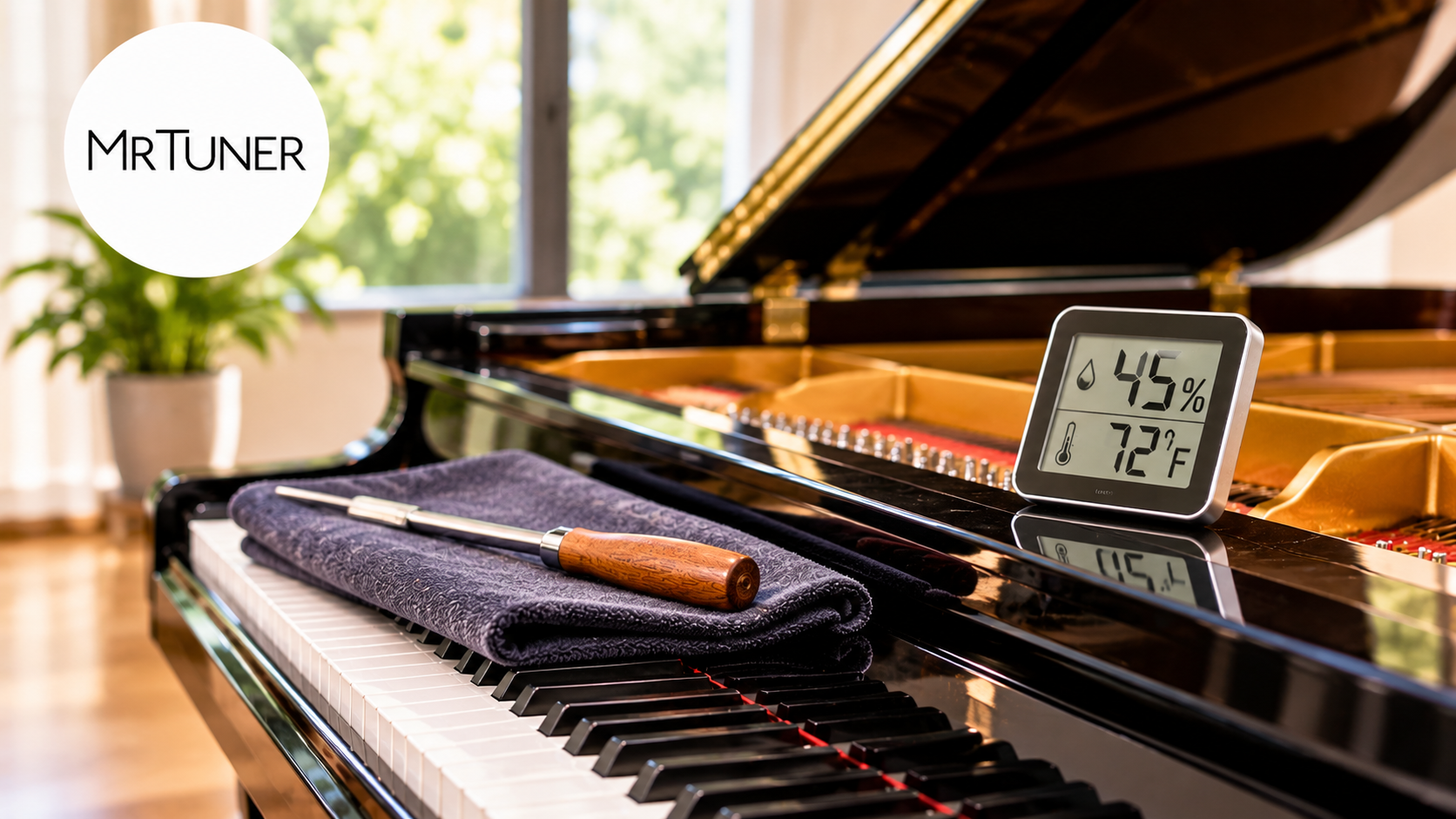
A piano is a valuable musical instrument that requires consistent care to maintain its sound, appearance, and playing performance. Whether you own a traditional upright piano or an elegant grand piano, regular maintenance helps prevent avoidable damage and supports its long-term condition. However, many piano owners focus only on tuning and overlook other important aspects of instrument care.
Professional piano maintenance Vista, CA services can help identify developing problems, protect sensitive internal components, and keep your instrument in good working condition. Environmental changes, dust accumulation, frequent use, and improper placement can all affect a piano over time.
For homeowners, musicians, and music teachers in Vista, understanding proper piano care is essential. MrTuner helps piano owners explore professional piano services and maintenance solutions to keep their instruments performing at their best.
Quick Overview: Why Is Regular Piano Maintenance Important?
Regular piano maintenance involves more than correcting notes that sound out of tune. It includes monitoring the instrument’s mechanical condition, protecting its finish, managing humidity, and identifying potential problems before they become more complicated.
Proper maintenance can help:
- Preserve consistent sound quality.
- Reduce unnecessary wear on internal components.
- Protect wooden parts from environmental changes.
- Maintain smooth keyboard movement.
- Keep the piano’s exterior clean and attractive.
- Identify repair requirements at an early stage.
A consistent maintenance routine is particularly valuable for acoustic pianos because their wooden and mechanical components respond to their surrounding environment.
What Does Professional Piano Maintenance Include?
Professional piano maintenance involves inspecting and caring for different parts of the instrument to support its overall performance.
Although the exact requirements depend on the piano’s age, design, and condition, several important areas deserve regular attention.
1. Piano Tuning and Pitch Stability
Piano strings gradually change tension because of environmental conditions and regular use. This can cause individual notes to sound sharp or flat.
Regular tuning helps maintain accurate pitch and musical balance.
However, tuning alone cannot address every piano problem. An instrument may also require mechanical adjustments or additional servicing.
2. Keyboard and Action Maintenance
The keyboard and action mechanism contain numerous moving components that work together whenever someone presses a key.
Over time, these components can experience wear, friction, or alignment problems.
A professional inspection may identify:
- Keys that move unevenly.
- Slow-returning keys.
- Unusual mechanical sounds.
- Inconsistent key response.
- Problems affecting playing comfort.
Addressing these issues helps maintain a more consistent playing experience.
3. Cleaning and Exterior Protection
Dust and fingerprints can accumulate on piano surfaces, particularly around the keyboard and polished cabinet.
Use a soft microfiber cloth and follow the manufacturer’s cleaning recommendations. Avoid household sprays, abrasive materials, and excessive moisture.
For polished finishes, using products designed specifically for piano surfaces can help reduce the risk of scratches or damage.
4. Internal Component Inspection
Acoustic pianos contain complex internal components, including strings, hammers, dampers, bridges, and a soundboard.
These parts should be inspected when performance changes or unusual noises appear.
Professional servicing helps identify potential concerns without unnecessary adjustments.
Piano Humidity Control: Protecting Your Piano From Environmental Changes
Humidity is one of the most important environmental factors affecting an acoustic piano.
A piano contains substantial amounts of wood, including its soundboard and other structural components. Wood naturally absorbs and releases moisture depending on the surrounding environment.
This process can influence the instrument’s stability, sound, and tuning.
Professional Piano humidity control focuses on maintaining a more consistent environment around the instrument.
How Does Humidity Affect a Piano?
When indoor humidity increases, wooden components can absorb moisture and expand. When humidity decreases, they can release moisture and contract.
These changes may affect:
- Soundboard dimensions and crown.
- Piano tuning stability.
- Wooden bridges and structural components.
- Action regulation.
- Overall instrument performance.
Long-term exposure to unsuitable environmental conditions may increase the risk of problems that require professional attention.
What Is the Ideal Humidity Level for a Piano?
Many piano care recommendations suggest maintaining relative humidity around 40%–50%, with minimal fluctuations.
However, the appropriate conditions can depend on the instrument, its construction, and the manufacturer’s recommendations.
A digital hygrometer can help monitor indoor humidity and identify significant changes.
Signs Your Piano May Have Humidity Problems
Watch for these potential warning signs:
- The piano frequently goes out of tune.
- Keys begin sticking or responding inconsistently.
- Wooden components show signs of movement or damage.
- The instrument develops unusual mechanical noises.
- Performance changes after seasonal weather variations.
These symptoms do not automatically mean humidity is the cause. A professional inspection can help identify the actual problem.
When Should You Look for Piano Humidity Control Near Me?
If you are searching for Piano humidity control near me, consider the environment in which your piano is located.
A piano positioned near windows, heating systems, air-conditioning vents, or exterior doors may experience greater environmental fluctuations.
Consider a Piano Humidity Control System
Some acoustic pianos can benefit from dedicated humidity-control systems.
Depending on the piano and installation requirements, these systems may help manage moisture conditions around sensitive internal components.
Before choosing a system, consider:
- Your piano’s design and construction.
- Existing indoor humidity levels.
- Seasonal environmental changes.
- The instrument’s current condition.
- Professional installation and maintenance requirements.
A humidity-control system should complement good room conditions rather than replace them.
Practical Piano Maintenance Tips for Vista, CA Owners
Environmental awareness is especially important for piano owners in Vista, where seasonal weather and indoor climate conditions can influence instrument stability.
Here are some practical ways to protect your piano.
Keep the Piano Away From Direct Sunlight
Continuous exposure to direct sunlight can affect the piano’s finish and create uneven temperature conditions.
Position the instrument away from windows receiving strong afternoon sunlight whenever possible.
Avoid Heating and Cooling Vents
Direct airflow from heating or air-conditioning systems can expose different areas of the piano to changing temperatures.
Choose a location with relatively stable indoor conditions.
Monitor Indoor Humidity
Use a reliable digital hygrometer to track humidity levels in the room.
Monitoring conditions throughout the year can help you recognize patterns and respond before environmental changes become significant.
Clean the Piano Carefully
Use appropriate cleaning materials and avoid applying liquids directly to the instrument.
The keyboard, cabinet, and exterior surfaces should receive gentle care.
Schedule Professional Inspections
Regular professional attention can help identify problems involving the action, strings, pedals, and other components.
Do not wait until a minor performance issue becomes a major inconvenience.
How Often Should a Piano Receive Maintenance?
The ideal maintenance schedule depends on how frequently the piano is used and the environment in which it is kept.
Consider these general guidelines:
- Regular tuning: Many acoustic pianos benefit from tuning twice annually.
- Visual checks: Look for visible changes or unusual sounds periodically.
- Humidity monitoring: Check indoor humidity regularly, especially during seasonal changes.
- Professional inspection: Arrange an inspection when performance changes or mechanical concerns appear.
- Cleaning: Remove dust and fingerprints as needed using suitable materials.
Pianos used daily for lessons or performances may require more attention than instruments played occasionally.
Common Piano Maintenance Mistakes to Avoid
Even well-intentioned piano owners can accidentally create problems through improper care.
Ignoring Environmental Conditions
Leaving a piano in a room with frequent temperature and humidity fluctuations can contribute to tuning instability and wood movement.
Using Incorrect Cleaning Products
Furniture polish, glass cleaners, and abrasive materials may damage delicate piano finishes.
Always follow the manufacturer’s care instructions.
Attempting Internal Repairs Without Experience
Piano mechanisms are complex. Incorrect adjustments can create additional problems or damage delicate components.
Leave internal repairs and adjustments to an experienced piano technician.
Assuming Tuning Solves Every Problem
A piano that sounds incorrect may have more than a tuning issue. Mechanical wear, action problems, and environmental changes can also influence performance.
A complete evaluation may be necessary.
How MrTuner Can Help With Piano Care in Vista
MrTuner serves piano owners in Vista, CA, who want to maintain their instruments and understand their piano service requirements.
Whether you need routine care, have concerns about environmental conditions, or have noticed changes in your instrument’s performance, discussing the piano’s condition with a professional is a sensible starting point.
MrTuner can help you explore relevant piano care and service options based on your instrument’s needs.
Business: MrTuner
Location: Vista, CA 92084
Phone: (760) 521-5530
Category: Piano tuning service
Contact MrTuner to discuss your piano maintenance concerns and determine which services may be appropriate.
Frequently Asked Questions About Piano Maintenance
1. How often should I maintain my piano?
Piano maintenance should be ongoing. Many acoustic pianos benefit from professional tuning twice annually, while mechanical inspections and other servicing should depend on the instrument’s age, usage, and condition.
2. Can humidity damage a piano?
Yes. Significant or prolonged humidity fluctuations can affect wooden components, tuning stability, and mechanical performance. Maintaining relatively consistent indoor humidity helps reduce these risks.
3. What humidity level is best for an acoustic piano?
A commonly recommended target is approximately 40%–50% relative humidity. Consistency is important, and specific recommendations may vary depending on the piano and its environment.
4. Does every piano need a humidity-control system?
No. The need depends on the piano’s construction, indoor environmental conditions, and history of humidity-related problems. Monitoring room conditions can help determine whether additional protection is worthwhile.
5. Can I clean my piano with regular furniture polish?
It is better to use cleaning products specifically recommended for piano finishes. Some household products can damage polished surfaces or leave unwanted residue.
6. Why does my piano keep going out of tune?
Possible causes include humidity fluctuations, temperature changes, string tension instability, and the instrument’s age or condition. A professional inspection can help identify the underlying reason.
7. Is professional piano maintenance necessary if my piano sounds fine?
Yes. Some mechanical or environmental problems develop gradually without immediately affecting sound. Periodic inspections can help identify developing concerns early.
Conclusion: Make Piano Maintenance a Regular Priority
Taking care of a piano requires more than occasional tuning. Cleaning, humidity monitoring, mechanical inspections, and timely professional servicing all contribute to maintaining the instrument’s condition.
For piano owners in Vista, CA, understanding how environmental conditions affect an acoustic piano is especially important. A consistent indoor environment and appropriate maintenance routine can help protect the instrument and support reliable performance.
If your piano needs professional attention or you want to discuss its maintenance requirements, contact MrTuner at (760) 521-5530. Regular care today can help preserve your piano for years of enjoyable music.