





A cautious buyer should never reduce safety to one star rating or one marketing claim. Mahindra’s current petrol SUV range covers vehicles of very different size, platform and purpose, from the XUV 3XO to the Scorpio-N and Thar family. The sensible comparison starts by checking whether the tested version represents the car you are buying and then looking at standard safety equipment, body structure, braking technology and everyday visibility.
Which Mahindra petrol cars are relevant in 2026?
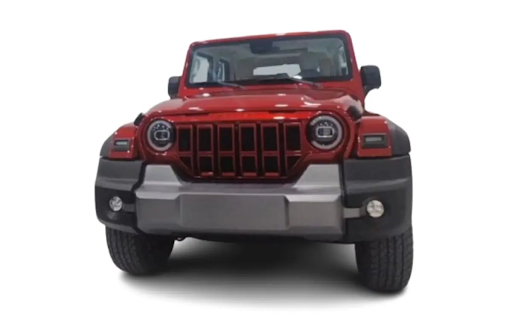
Mahindra petrol cars current SUV page lists the XUV 3XO, Scorpio-N, Thar OG, Thar Roxx and XUV 7XO among its active products, with petrol engines available on several of them. Prices can span a wide range even within one model because gearboxes, drivetrains and equipment change. The table below uses current manufacturer figures to show representative petrol choices rather than mixing them with diesel variants.
| Model / petrol example | Current ex-showroom price | Useful context |
| XUV 3XO MX2 Pro Petrol | Rs. 9,99,500 | Compact SUV |
| XUV 3XO AX7 L TGDi Petrol | Rs. 15,03,500 | Higher-output petrol trim |
| Scorpio-N Z2 Petrol | Rs. 13,69,000 | Large SUV entry petrol |
| Scorpio-N Z8T Petrol 2WD | Rs. 20,38,000 | Higher petrol equipment level |
| Thar OG LXT petrol RWD AT | Rs. 14.77 lakh | Lifestyle SUV; introductory pricing applies to specified delivery period |
What does a crash-test result actually tell you?
A controlled crash test evaluates how a vehicle protects occupants under defined conditions. It can provide adult and child occupant scores, structural observations and checks on safety-assist systems. It does not recreate every real accident. A five-star result is therefore valuable evidence, but it is not permission to drive faster or ignore tyres, seat belts and child restraints. Always check the test year and whether the rating applies to the powertrain and variant you plan to buy.
Standard equipment matters more than a long optional list
Look for airbags, electronic stability control, anti-lock braking, three-point seat belts, seat-belt reminders, ISOFIX anchorages and tyre-pressure monitoring where offered. If a feature appears only on a top trim, it may not help you on the more affordable variant. Mahindra car price has expanded six-airbag availability on newer products, but the exact specification should still be verified on the live variant page because line-ups can change.
Why size alone is not a safety measure
A larger SUV can feel more substantial from the driver’s seat, yet crash performance depends on energy management, restraint systems and structural design. Conversely, a smaller SUV with a strong tested structure and well-calibrated restraints can perform very well in controlled testing. Avoid statements such as “bigger is always safer”. What matters is the evidence for the specific model and how consistently safety equipment is fitted across its range.
Petrol powertrains can change the way you use the car
Safety also includes how comfortable and predictable the vehicle feels in your routine. A turbo-petrol automatic can reduce workload in traffic, while a powerful petrol SUV can accelerate quickly and therefore demands measured inputs on wet or broken roads. If you are moving from a hatchback to a tall SUV, spend time understanding the wider body, longer braking distances under load and the effect of tyre pressure on handling.
What should a cautious test drive include?
Do not use the test drive only to evaluate acceleration. Check brake pedal feel from different speeds, steering response over an uneven road and visibility when joining traffic. Try parking in a tight space and assess the usefulness of sensors and cameras. If the variant has advanced driver-assistance features, ask the sales adviser to explain how they are switched on, when they can intervene and how the driver can override them.
Price and safety should be compared together
A safer buying strategy is to define your minimum safety equipment first and then see which variants meet it. That prevents you from paying for cosmetic equipment while missing a safety feature you value. Compare the ex-showroom difference between trims, then add city registration and insurance separately. The top model is not automatically the safest choice if the safety essentials are already standard lower in the range.
Ask the dealer to demonstrate child-locks, ISOFIX locations and the tyre-pressure display rather than assuming you will learn them later. Safety features provide value only when the driver understands how they work. Read the relevant owner-manual sections soon after delivery and set up child restraints before the first family journey.
Crash-test results should always be matched to the tested generation and powertrain family. A five-star score for one Mahindra SUV does not automatically apply to every older vehicle carrying the same badge, and a facelift can add safety equipment without changing every structural detail. Check the test date, model year and listed variant applicability on the official assessment record. This is especially important when comparing new stock with a discounted previous-year vehicle.
Petrol buyers should also think about vehicle mass and performance in context. A powerful engine can make merging and overtaking easier, but it does not shorten stopping distance on worn tyres or compensate for excessive speed. Inspect tyre size, load rating and spare-wheel provision, and keep pressures at the recommended level. For a family SUV, disciplined maintenance of tyres and brakes is part of the safety package just as much as airbags and electronic aids.
Conclusion
Mahindra petrol cars cover very different needs, so there is no single safety answer for the brand as a whole. Check the crash-test applicability, standard safety equipment and real variant specification. Then test visibility, braking and driver-assistance behaviour for yourself. A cautious buyer uses star ratings as one strong input, not as a substitute for checking the exact car, tyres, restraints and driving conditions.