






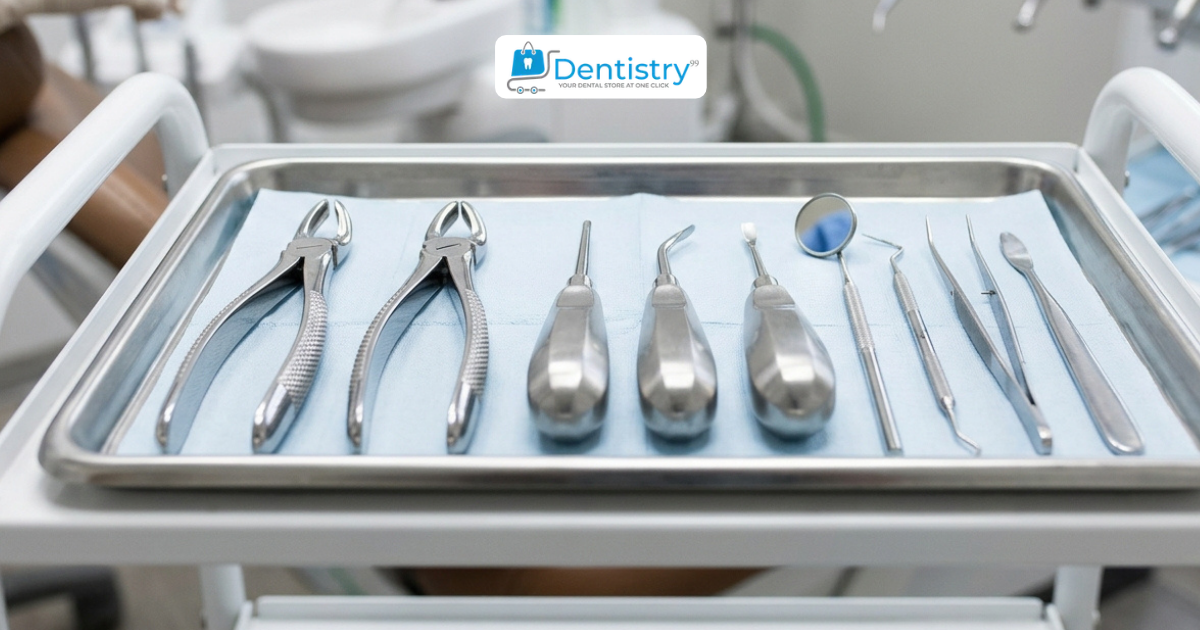
The foundation of modern restorative dentistry lies in the continuous evolution of dental materials. From simple amalgam fillings to sophisticated nanohybrid composites, the materials we choose directly impact patient outcomes, restoration longevity, and overall treatment success. Understanding the science behind these materials—their composition, properties, and clinical applications—is essential for every dental professional committed to excellence.
At Dentistry99, we understand that dental professionals demand supplies that perform flawlessly under pressure. As a trusted online dental supply store serving over 12,000 dental professionals across the United States, we stock thousands of clinical-grade products—including comprehensive dental materials and endodontic supplies. This guide explores the complete landscape of dental materials, from restorative composites to endodontic sealers, while providing a practical root canal instrument checklist to ensure your endodontic procedures are consistently successful.
Understanding Dental Materials: Categories and Applications
Restorative Materials: Rebuilding Smiles
Restorative materials form the backbone of general dentistry, used to repair damaged teeth, restore function, and enhance aesthetics.
Dental Composites
Composite resins have become the gold standard for aesthetic restorations. These tooth-colored materials consist of a resin matrix (typically Bis-GMA or UDMA) reinforced with inorganic filler particles. Modern nanocomposites offer:
-
Excellent aesthetics: Available in multiple shades to match natural tooth structure
-
Superior polishability: Nanofiller technology ensures long-lasting shine
-
Adequate strength: Suitable for anterior and posterior restorations
-
Bonding capability: Chemically bonds to tooth structure when used with appropriate adhesives
Glass Ionomer Cements (GICs)
Glass ionomer cements offer unique properties that make them invaluable in specific clinical scenarios:
-
Chemical adhesion: Bonds directly to tooth structure without separate adhesive
-
Fluoride release: Provides ongoing protection against recurrent decay
-
Biocompatibility: Well-tolerated by pulpal tissue
-
Thermal expansion: Similar to natural tooth structure, reducing microleakage
GICs are particularly useful for pediatric dentistry, root caries, and areas where moisture control is challenging.
Resin-Modified Glass Ionomers (RMGIs)
RMGIs combine the benefits of glass ionomers with the strength of resins. They offer:
-
Improved strength: Higher compressive and flexural strength than conventional GICs
-
Dual-cure capability: Can be light-cured or self-cured
-
Fluoride release: Continued protection against decay
-
Versatility: Suitable for luting, lining, and restoration
Amalgam
While its use has declined due to aesthetic concerns, dental amalgam remains a durable and cost-effective option for posterior restorations. Its advantages include:
-
Exceptional durability: Withstands heavy occlusal forces
-
Long clinical track record: Over 150 years of use
-
Technique tolerance: Less sensitive to moisture during placement
-
Cost-effectiveness: Economical for large posterior restorations
Endodontic Materials: Saving Natural Teeth
Root canal treatment relies on a variety of specialized materials to clean, shape, and seal the canal system.
Irrigation Solutions
Effective irrigation is paramount for canal disinfection. Key irrigants include:
-
Sodium Hypochlorite (NaOCl): The gold standard for tissue dissolution and antimicrobial action, typically used at 3-5.25% concentration
-
EDTA: Used for smear layer removal and as a final rinse
-
Chlorhexidine: Alternative irrigant with broad-spectrum antimicrobial activity
Obturation Materials
Proper sealing of the canal system prevents reinfection. Key materials include:
-
Gutta-percha: The most commonly used obturation material, available in various tapers
-
Endodontic sealers: Available in resin-based, calcium hydroxide-based, and bioceramic formulations
-
Bioceramic sealers: Emerging as the preferred choice due to their biocompatibility and sealing ability
Impression Materials: Capturing Precision
Accurate impressions are essential for prosthodontic success. Key impression materials include:
-
Vinyl Polysiloxane (VPS): Excellent dimensional stability and detail reproduction
-
Polyether: Good for moist environments, though less dimensionally stable than VPS
-
Alginate: Economical choice for preliminary impressions and study models
The Root Canal Instrument Checklist: Ensuring Endodontic Success
Successful endodontic treatment depends on having the right instruments available and in optimal condition. This comprehensive checklist ensures your practice is prepared for every root canal procedure.
Pre-Operative Assessment Instruments
Before beginning treatment, gather the following instruments for proper diagnosis and treatment planning:
-
Mouth Mirror: For indirect vision and tissue retraction
-
Periodontal Probe: To assess periodontal status and pocket depths
-
Explorer: To detect caries, fractures, and canal orifices
-
Endodontic Explorer: Specifically designed with sharp tips for locating canal orifices
-
Cotton Forceps: For placing and removing cotton pellets
-
Radiographic Holdings: For proper positioning during X-ray exposure
Access Preparation Instruments
Creating proper access to the canal system requires precision instruments:
-
High-Speed Handpiece: With carbide burs for enamel and dentin removal
-
Diamond Burs: For precise cavity preparation
-
Endo-Z Burs: Specifically designed for endodontic access without damaging the pulp chamber floor
-
Ultrasonic Tips: For troughing and locating calcified canals
Canal Negotiation and Shaping Instruments
The core of endodontic instrumentation involves cleaning and shaping the canal system:
Hand Files
-
K-Files: For canal negotiation and initial shaping
-
Reamers: For rotational movement in the canal
-
Hedstrom Files: For efficient dentin removal in straight portions
-
Barbed Broaches: For pulp removal and retrieval of broken instruments
Rotary Instruments
-
Glide Path Files: For establishing a smooth path to the apex
-
Orifice Openers: For creating straight-line access to the coronal third
-
Shaping Files: For progressive canal enlargement
-
Finishing Files: For refining the final shape and taper
Apex Locators
-
Electronic Apex Locator: For accurate working length determination without radiation exposure
Irrigation Instruments
Effective irrigation requires proper delivery and activation systems:
-
Side-Vented Irrigation Needles: For safe irrigant delivery
-
Irrigation Syringes: For controlled irrigant expression
-
Ultrasonic Activation Tips: For enhanced cleaning efficacy
-
Sonic Activation Devices: For alternative agitation methods
Obturation Instruments
Sealing the canal system requires specialized instruments:
-
Paper Points: For canal drying before obturation
-
Gutta-Percha Points: For filling the canal space
-
Endodontic Pluggers: For compacting gutta-percha
-
Spreaders: For lateral condensation technique
-
System B Heat Source: For warm vertical compaction
-
Obturation Syringes: For injecting sealer or thermoplasticized gutta-percha
Post-Operative Instruments
After completion of the root canal, these instruments ensure proper restoration:
-
Cavity Preparation Burs: For post space preparation if needed
-
Core Build-Up Materials: Composite or amalgam for rebuilding tooth structure
-
Matrix Bands and Wedges: For proper contour during restoration
Instrument Maintenance and Inspection
Before each endodontic procedure, inspect all instruments for:
-
Deformation: Check for unwinding of flutes or bends
-
Corrosion: Look for rust or discoloration
-
Cracks: Examine for surface defects or fractures
-
Sharpness: Ensure cutting edges are functional
-
Sterilization Indicators: Verify proper sterilization cycles
Damaged instruments should be discarded immediately to prevent intracanal separation.
Best Practices for Dental Materials Selection
Matching Materials to Clinical Scenarios
Selecting the right material for each clinical situation is essential for successful outcomes:
Anterior Restorations
For anterior teeth where aesthetics are paramount, choose:
-
Nanohybrid or microhybrid composites
-
Materials with excellent shade-matching capabilities
-
Highly polishable formulations for natural luster
Posterior Restorations
For posterior teeth requiring strength and durability, consider:
-
Packable composites for stress-bearing areas
-
Glass ionomers for areas with high caries risk
-
Amalgam for large restorations in non-aesthetic zones
Endodontic Sealers
For canal obturation, select:
-
Bioceramic sealers for optimal biocompatibility
-
Resin-based sealers for enhanced adhesion
-
Calcium hydroxide sealers for antimicrobial activity
Material Handling and Storage
Proper handling and storage extend material shelf life and ensure optimal performance:
-
Temperature Control: Store materials according to manufacturer recommendations
-
Humidity Control: Prevent moisture contamination of moisture-sensitive materials
-
Expiration Tracking: Rotate stock and use older materials first
-
Light Protection: Store light-cured materials away from ambient light
Why Choose Dentistry99 for Your Dental Materials
Trusted by Dental Professionals Nationwide
At Dentistry99, we are proud to support over 12,000 dental professionals with clinical-grade supplies. Our commitment to quality ensures that every product—from restorative composites to endodontic instruments—is sourced exclusively from vetted, certified suppliers. We audit manufacturing partners regularly to ensure clinical-grade standards are maintained across every order.
Fast, Reliable Delivery
We understand that running low on critical supplies can disrupt your practice. That’s why we offer:
-
Same-day dispatch on orders placed before 2 PM EST
-
1–3 business day delivery across all 50 US states
-
Free shipping on orders over $100
-
99% in-stock rate on critical clinical supplies
Quality-Verified Inventory
Every product is sourced exclusively from vetted, certified suppliers. We audit manufacturing partners regularly to ensure clinical-grade standards are maintained across every order.
Expert Customer Support
Our dedicated support team understands dental practice supply needs. Whether selecting the right composite shade or guidance on endodontic instrument selection, our specialists are available by phone, chat, and email.
Conclusion
Dental materials represent the cornerstone of clinical practice, enabling practitioners to restore function, enhance aesthetics, and preserve natural dentition. From restorative composites to endodontic sealers, each material category serves a specific purpose in the comprehensive delivery of oral healthcare.
The root canal instrument checklist provided in this guide ensures that your endodontic procedures are consistently successful, with all necessary instruments available and in optimal condition. Proper instrument selection, maintenance, and sterilization are essential for predictable outcomes and patient safety.
At Dentistry99, we are proud to support dental professionals with clinical-grade materials and instruments delivered fast across all 50 states. From restorative composites and endodontic supplies to sterilization products and dental equipment, our online store provides everything your practice needs with competitive pricing, expert support, and a 99% in-stock rate on critical clinical supplies.
Frequently Asked Questions (FAQs)
1. What are the main categories of dental materials?
Dental materials fall into several categories: restorative materials (composites, glass ionomers, amalgam), endodontic materials (irrigants, sealers, gutta-percha), impression materials (VPS, polyether, alginate), and prosthetic materials (ceramics, metals, polymers).
2. What is included in a root canal instrument checklist?
A comprehensive root canal instrument checklist includes diagnostic instruments (mirrors, probes, explorers), access preparation instruments (burs, ultrasonic tips), canal negotiation instruments (hand files, rotary files), irrigation instruments (needles, syringes), obturation instruments (paper points, gutta-percha, pluggers), and post-operative instruments.
3. Why is proper irrigation important in root canal treatment?
Irrigation is essential for canal disinfection and debris removal. Sodium hypochlorite dissolves organic tissue and provides antimicrobial action, while EDTA removes the smear layer. Proper irrigation reaches areas inaccessible to mechanical instrumentation.
4. How do I choose between composite and glass ionomer for restorations?
Composites are preferred for aesthetic areas and stress-bearing restorations. Glass ionomers are ideal for areas with high caries risk due to their fluoride release, for pediatric dentistry, and when moisture control is challenging.
5. What is the difference between hand files and rotary files?
Hand files are stainless steel instruments used manually for canal negotiation and shaping. Rotary files are nickel-titanium instruments used with electric motors, offering greater flexibility and efficiency in canal preparation.
6. How should dental materials be stored?
Dental materials should be stored according to manufacturer recommendations, with proper temperature and humidity control. Light-cured materials should be protected from ambient light, and expiration dates should be monitored.
7. Where can I buy quality dental materials and supplies online?
Dentistry99 is your professional online dental supply store, offering dental materials, endodontic supplies, and thousands of clinical-grade products. Enjoy free shipping on orders over $100, same-day dispatch on orders before 2 PM EST, and delivery within 1–3 business days across all 50 US states.