




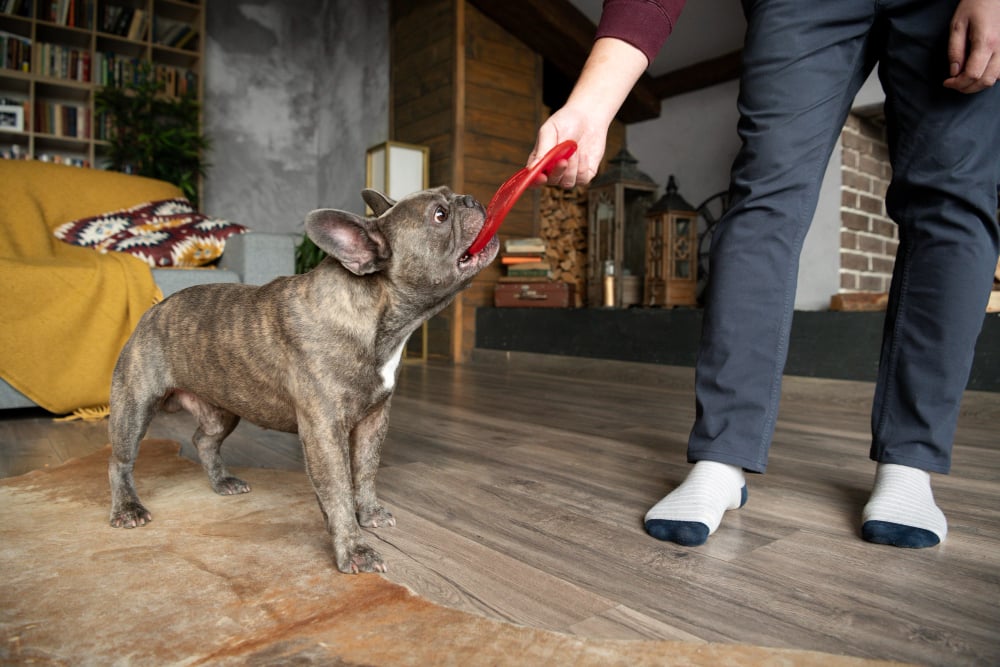
Living with a dog involves more than walks, meals, and playtime. It also means helping your companion understand household expectations, respond to guidance, and behave appropriately in different situations. When these skills are missing, ordinary moments—such as answering the door, preparing for a walk, or welcoming visitors—can become stressful.
For Boulder, Colorado, dog owners, a practical approach to dog training begins by identifying which daily interactions need improvement. Instead of focusing only on individual commands, owners can work toward clearer communication and consistent routines that make life easier for everyone in the household.
Why Small Habits Can Make a Big Difference
Many behavior concerns develop during everyday activities. A dog may pull toward an interesting smell, bark when someone approaches the house, jump when a family member returns, or ignore a familiar instruction when excited.
These situations are opportunities to examine the habits surrounding the behavior.
For example, if a dog rushes through the doorway every time the leash appears, the excitement surrounding departure may need attention alongside leash manners. If a dog repeatedly interrupts family activities, learning when to engage and when to settle may be more useful than practicing commands in isolation.
A structured dog training plan can help owners establish expectations that are understandable and practical to maintain.
Identify the Situation Before Choosing a Solution
Before changing a behavior, consider when it happens and what is going on around the dog.
Ask yourself:
- Does the behavior occur at a particular time of day?
- Is the dog reacting to a person, animal, sound, or movement?
- Does the behavior happen indoors, outdoors, or in both settings?
- What does the dog do immediately before and after the incident?
- Is the dog tired, excited, uncertain, or struggling to settle?
Keeping brief notes can reveal patterns that are difficult to recognize in the moment. This information can also help a professional trainer understand the situation and suggest a suitable plan.
Making Household Expectations Easier to Understand
The home is an important place to develop everyday manners. Dogs need opportunities to learn how to move through shared spaces, respond to family members, and relax when activity slows down.
Establish Predictable Doorway Routines
Doors often create excitement because they signal walks, visitors, or access to new spaces. If a dog pushes ahead, jumps, or becomes difficult to manage, practice the routine when the household is relatively quiet.
Begin by organizing the leash and other necessities before inviting the dog to the door. Work on a manageable pause and a clear release to proceed. If the dog becomes overly excited, reduce the difficulty rather than repeatedly rushing through the same unsuccessful attempt.
The objective is to make the departure process more orderly, not to create a battle at the threshold.
Teach Appropriate Ways to Participate in Family Life
A dog that follows every movement, demands constant attention, or struggles to rest may benefit from a clearer daily structure. Plan periods for walks, play, interaction, and quiet time so that the dog has predictable opportunities to engage with the family.
A comfortable resting area can help provide a consistent place to settle. Introduce it gradually and avoid forcing the dog to remain there if the dog is distressed. Reward calm choices when appropriate and ensure that exercise, social interaction, and other needs are being met.
These small adjustments can make the household more predictable while giving owners a practical starting point for further training.
Improving Walks Without Making Every Outing a Drill
Boulder offers a variety of outdoor experiences, but dogs can encounter plenty of distractions wherever people and animals share space. New scents, cyclists, runners, other dogs, and wildlife can compete for a dog’s attention.
The purpose of leash training is not to prevent a dog from exploring altogether. It is to help the dog and owner move together safely while allowing appropriate opportunities to investigate the surroundings.
Choose a Manageable Starting Point
If a dog pulls strongly or becomes overwhelmed around other dogs, begin in a quieter area where it is easier to maintain attention. Use suitable walking equipment and keep enough distance from distractions to avoid repeatedly putting the dog in situations it cannot yet handle.
Practice brief periods of walking together, changing direction when needed, and pausing before the leash becomes difficult to manage. Gradually introduce more challenging surroundings as the dog becomes better able to respond.
Progress may vary depending on the dog’s age, temperament, previous experiences, and the intensity of the distraction.
Make Safety Part of the Lesson
Reliable behavior outdoors takes time. Keep your dog leashed wherever required, follow local rules, and avoid assuming that a familiar response will work around every distraction. Areas with limited visibility or nearby wildlife call for particular awareness.
Recall—the ability to return when called—should be developed carefully in controlled settings before being tested around more tempting distractions. A long line can provide additional management during practice when used appropriately. No training approach can guarantee a response in every circumstance, so responsible handling remains essential.
Choosing a Training Approach That Fits Your Household
Dog owners searching for Dog Training near me may find different training formats, philosophies, and lesson structures. The most suitable choice depends on the dog’s behavior, the owner’s goals, and the kind of guidance the household needs.
Group classes may offer opportunities to practice around other dogs in a managed setting. Private lessons, on the other hand, can focus more directly on behaviors occurring in the home and the owner’s everyday routine.
When comparing providers, consider the following questions:
- What training philosophy does the provider follow?
- Are lessons adapted to the dog’s needs and the owner’s goals?
- Will the owner learn how to maintain the work between sessions?
- How are difficult or potentially unsafe behaviors assessed?
- What equipment and techniques are used?
- Are expectations and likely limitations explained clearly?
A responsible trainer should be willing to discuss methods, explain the plan, and help owners understand how to continue practicing. Be cautious of promises of instant results, particularly when a dog has a long-standing behavior concern.
The Always Faithful Approach to In-Home Dog Training
Always Faithful Dog Training offers private in-home lessons built around its Leadership Dog Training philosophy. Its approach emphasizes communication between dogs and their owners, with the aim of helping families understand expectations and manage everyday behavior.
The company’s stated philosophy is “No Treats, No Clickers, No Shock Collars, No Gimmicks.” Owners considering this approach can discuss their concerns and goals directly with the trainer to determine whether the methods are a good fit for their household and their dog’s needs.
In-home instruction can be especially relevant when the main challenges occur around family routines, visitors, doorways, household boundaries, or walking preparation. It also gives owners an opportunity to discuss the situations they find difficult and learn how to practice the agreed-upon skills between lessons.
Training is a shared responsibility. The trainer provides guidance, but everyday consistency from the owner is an important part of maintaining progress.
Start With a Clear, Realistic Goal
Rather than trying to change every behavior at once, select one or two priorities. A family might begin with calmer greetings, while another household may focus on pulling during walks or responding to instructions indoors.
Write down what improvement would look like in a real situation. For instance, a successful greeting might mean the dog can remain on the floor while a visitor enters, with appropriate management and guidance. A better walk might involve shorter stretches of loose-leash movement rather than expecting perfect behavior for the entire outing immediately.
Review progress regularly and adjust the plan when a task is too difficult. If a behavior involves aggression, intense fear, or a risk of injury, seek qualified professional support rather than attempting to manage it through trial and error.
Build a More Manageable Life With Your Dog
Good dog training is not simply about getting a dog to perform a command. It is about developing routines, communication, and practical skills that support everyday life. With clear expectations and consistent practice, owners can work toward more manageable walks, calmer household interactions, and better responses in familiar situations.
If you are exploring dog training in Boulder, CO, Always Faithful Dog & Puppy Training can be contacted to discuss private in-home lessons and your dog’s current challenges. Ask about a free phone consultation to talk through your goals and learn whether its Leadership Dog Training approach may suit your household.