





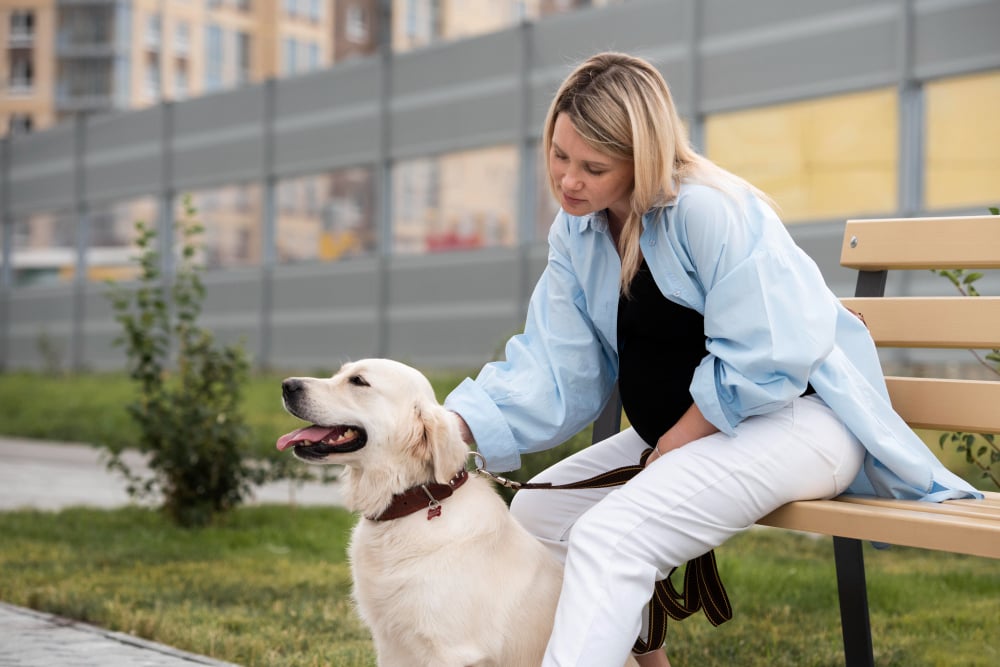
A dog becomes a well-adjusted member of the family through more than affection and daily walks. Dogs also need clear expectations, opportunities to learn, and consistent guidance when they encounter unfamiliar situations. For households across Mercer County, New Jersey, these skills can make everyday responsibilities easier, whether a dog is learning to greet guests politely or becoming more comfortable during neighborhood outings.
Effective dog training begins by understanding the animal in front of you. A young puppy may need help developing basic routines, while an adult dog might need to replace habits that have become difficult to manage. In both cases, the owner’s approach plays an important role in shaping daily behavior.
Always Faithful Dog Training provides private in-home lessons based on its Leadership Dog Training philosophy. The goal is to help owners improve communication with their dogs and establish more consistent expectations without relying on treats, clickers, shock collars, or gimmicks.
Everyday Situations That Reveal Where Training Is Needed
Some behavioral challenges become noticeable only when a dog is part of a busy household. A dog may respond well when the house is quiet but struggle when children are playing, visitors arrive, or someone prepares to leave for work.
These moments can reveal which skills need additional practice.
When Excitement Takes Over
An excited dog may jump on people, rush toward the entrance, bark repeatedly, or struggle to settle after an activity. These responses can make ordinary household routines difficult, particularly when family members respond differently each time.
Start by identifying the circumstances that lead to the behavior. If jumping happens mainly when people arrive, practice a predictable greeting routine. If barking increases when the doorbell rings, work on helping the dog remain at a manageable distance while the situation is introduced gradually.
The objective is to create opportunities for the dog to practice a calmer response rather than expecting an immediate change in every situation.
When Household Rules Become Confusing
Dogs can receive mixed messages when family members have different expectations. One person may allow the dog onto the sofa, while another repeatedly tells it to get down. A dog that receives inconsistent guidance may struggle to understand which behavior is expected.
Choose a few important household rules and discuss them with everyone who handles the dog. Use consistent cues and predictable routines so the dog has a better opportunity to understand what each situation requires.
Making Neighborhood Walks More Comfortable
Mercer County dog owners may encounter a variety of walking environments, from quiet residential streets to busier public areas. Each setting can introduce different distractions, including unfamiliar dogs, people, bicycles, vehicles, and interesting scents.
A dog that walks comfortably in the backyard may still need practice before responding reliably outside the home.
Develop Leash Skills Before Adding Distractions
Begin in a low-distraction area where your dog can pay attention. Use appropriate walking equipment and practice maintaining a manageable leash without continuous pulling.
When the dog starts moving too far ahead, pause or change direction when safe. Encourage the dog to reconnect with you before continuing. Keep early sessions short enough that the dog can remain focused.
As the skill improves, introduce more challenging environments gradually. Avoid moving directly into crowded situations if the dog is still struggling with basic leash control.
Teach Dogs to Respond Around Other Animals
Seeing another dog can trigger excitement, frustration, or fear. Not every dog is comfortable with close greetings, and owners should not assume that every encounter needs to become a social interaction.
Maintain a safe distance, watch your dog’s body language, and move away when necessary. If your dog regularly lunges, growls, or becomes difficult to control, seek individualized professional guidance before attempting closer encounters.
Good walking manners involve more than staying beside the owner. They also include learning to navigate distractions safely.
What a Structured Training Program Should Teach Owners
A useful training program should help the owner understand both the desired behavior and the practical steps needed to encourage it. Commands alone may not solve a problem if the underlying routine remains unchanged.
When considering dog training services, look for an approach that explains the reasoning behind each exercise and gives owners opportunities to practice the techniques themselves.
Establish Clear Communication
Dogs pay attention to body language, movement, tone, timing, and repeated patterns. Owners can improve communication by making instructions clear and responding consistently.
For example, if the goal is to teach a dog to wait before going through a doorway, begin in a quiet setting. Practice controlling access safely and reward the desired pause through appropriate feedback and consistent handling.
Once the dog understands the exercise, introduce ordinary household distractions gradually.
Address the Behavior in Its Original Setting
Private in-home instruction can be especially useful when the main challenges happen in familiar surroundings.
Depending on the dog’s needs, lessons may focus on:
- Doorway manners and visitor greetings.
- Jumping on family members.
- Barking at everyday sounds.
- Leash pulling and outdoor distractions.
- Following household boundaries.
- Responding more consistently to instructions.
Working in the home allows owners to practice the skills in the situations they want to improve. They can also learn how to continue the exercises between scheduled lessons.
Always Faithful Dog Training offers private in-home instruction using its Leadership Dog Training approach. Owners can discuss their concerns and learn how the method works before deciding whether it fits their goals.
Giving Puppies a Better Start
Puppyhood provides an opportunity to introduce routines before unwanted habits become established. However, young dogs are still developing, and training expectations should reflect their age, temperament, attention span, and physical abilities.
A successful start focuses on manageable skills rather than demanding perfect obedience.
Prioritize the Basics
New puppy owners can begin with several practical goals:
- House-training: Provide frequent outdoor opportunities, supervise indoors, and maintain a predictable schedule.
- Name recognition: Help the puppy learn to orient toward its owner when called.
- Gentle handling: Introduce everyday grooming and handling gradually and comfortably.
- Settling: Create a quiet resting area where the puppy can relax without constant stimulation.
- Leash introduction: Allow the puppy to become comfortable with suitable equipment before progressing to more demanding walks.
Socialization is another important part of development. Introduce suitable people, sounds, surfaces, and environments in ways that keep the puppy comfortable. Follow veterinary advice regarding vaccinations and exposure to unfamiliar dogs or public spaces.
Early guidance gives the family a foundation to build on as the puppy matures.
Why Consistency Matters More Than Long Practice Sessions
Many owners assume that better behavior requires hours of training. In practice, short sessions repeated regularly can be easier to maintain and more useful than occasional, lengthy exercises.
Dogs need opportunities to practice skills in different circumstances, but the difficulty should increase gradually.
Create a Routine That Fits Your Household
Choose a small number of priorities each week. For example, a family might focus on calmer greetings during the first week and loose-leash walking during the next.
A practical schedule could include:
- A short session practicing one familiar instruction.
- A few minutes working on a specific household challenge.
- A walk focused on safe leash handling.
- A review of what worked and where the dog struggled.
Everyone involved in handling the dog should understand the same expectations. If a particular exercise repeatedly causes distress or confusion, reduce the difficulty and reassess the approach.
Progress may vary from one dog to another. Age, previous experiences, environment, health, and consistency can all influence learning. Sudden behavioral changes should be evaluated by a veterinarian, while significant fear or aggression may require a qualified behavior professional.
Choosing Support for Your Mercer County Dog
Before arranging professional instruction, identify the problems that have the greatest effect on your daily life. You might want to improve your dog’s response to visitors, make walks easier to manage, establish puppy routines, or create clearer household boundaries.
Write down a few examples of when the behavior occurs. This gives you a useful starting point for discussing your goals with a trainer.
Ask about the training philosophy, the owner’s role during lessons, the skills covered, and how progress is assessed. A responsible professional should explain the process clearly and avoid guaranteeing instant results.
For families interested in Dog training Mercer County NJ, Always Faithful Dog Training provides private in-home lessons centered on communication, leadership, and consistent guidance. Its approach can be discussed in relation to the specific challenges and expectations of your household.
Start Building Habits That Last
Better behavior develops through everyday decisions, consistent routines, and practice that matches a dog’s needs. Owners do not need to change every habit at once. Beginning with one manageable challenge can create a clearer path toward improving other aspects of family life.
If you live in Mercer County, NJ, and want help addressing your dog’s behavior, contact Always Faithful Dog Training to discuss your goals and available private in-home training options. Ask about a free phone consultation to explain your concerns, learn more about the Leadership Dog Training philosophy, and explore a suitable next step for your dog.