





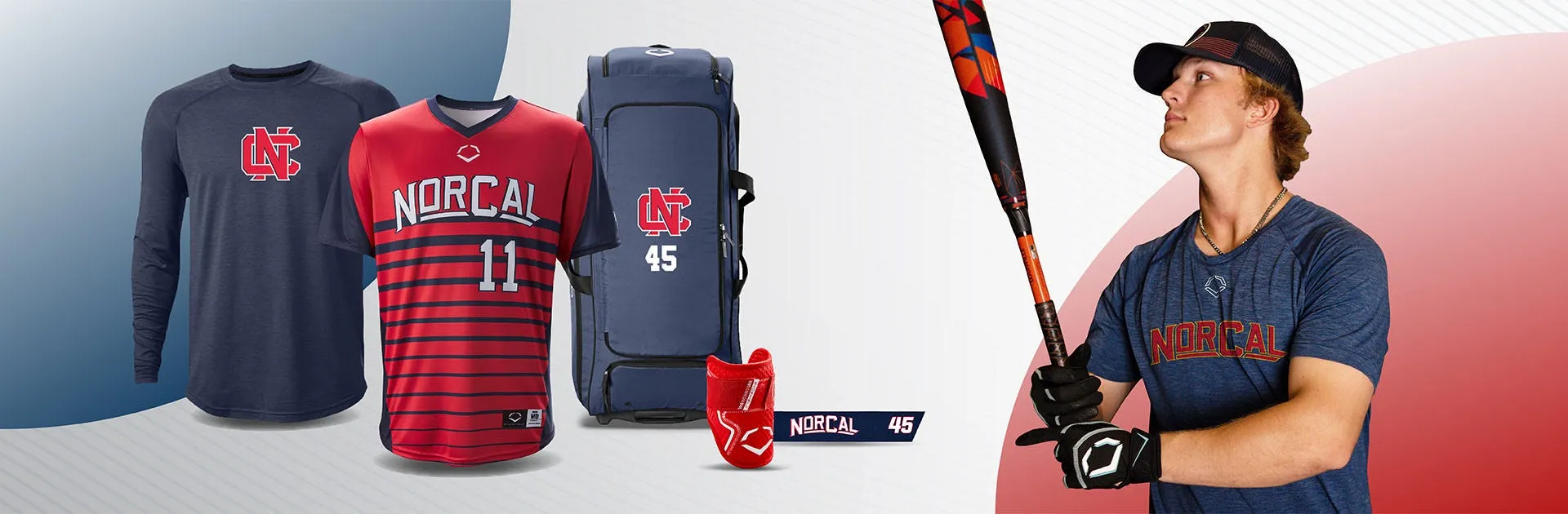
Basketball uniforms need to support speed, jumping, quick direction changes, and constant upper-body movement. Therefore, a successful uniform should combine comfort, flexibility, durability, and a strong visual identity rather than focusing only on colors and graphics.
A complete basketball apparel range may include jerseys, shorts, practice wear, warm-up jackets, hoodies, shooting shirts, and travel clothing. Each product serves a different purpose, so fabric weight, fit, construction, and decoration should be selected carefully.
For teams, schools, clubs, and sportswear brands serving customers throughout the United States, custom manufacturing can provide greater control over sizing, colors, logos, player numbers, fabric, labels, and garment construction.
However, professional basketball apparel starts with careful planning. Fabric selection, pattern development, sampling, decoration, size grading, and quality control should all take place before bulk production begins.
Key Takeaways
- Basketball uniforms need lightweight, breathable, flexible fabrics that support repeated movement.
- Custom manufacturing gives teams greater control over sizing, colors, numbers, logos, and garment construction.
- Sampling before bulk production can help identify problems with fit, fabric, graphics, and overall performance.
Why Custom Basketball Uniform Manufacturing Matters
Working with a custom basketball uniform manufacturer allows teams and sportswear brands to develop jerseys and shorts around their own performance and branding requirements. Instead of relying only on standard stock uniforms, buyers can define fabric, measurements, neckline style, side panels, colors, numbers, logos, labels, and other details.
This level of control becomes important when a team wants a recognizable identity across several products. Game jerseys, shorts, practice tops, warm-up apparel, and travel clothing can all follow the same visual direction.
Therefore, custom production can help combine athletic performance with stronger brand presentation.
Start With the Movements of Basketball
Basketball involves constant motion.
Players sprint, jump, bend, twist, defend, pass, and shoot throughout a game.
Therefore, uniforms need to support these actions without restricting movement.
Shoulder Mobility
Basketball players raise their arms frequently for shooting, rebounding, and defending.
Therefore, jersey armholes and shoulder areas should provide enough room.
A garment that feels correct while standing may become restrictive when the player raises both arms.
Hip and Leg Movement
Shorts should allow players to run, jump, crouch, and change direction.
Therefore, the hip width, leg opening, rise, and overall length need careful planning.
Body Rotation
Passing and shooting also involve rotation through the torso.
Therefore, the jersey should move naturally instead of pulling tightly across the chest or waist.
Fabric Selection Shapes Performance
Fabric affects comfort, breathability, stretch, weight, moisture management, and durability.
Therefore, material selection should be based on how the uniform will actually be used.
| Fabric Feature | Why It Matters |
| Lightweight feel | Reduces unnecessary bulk |
| Breathability | Helps manage body heat |
| Stretch | Supports movement |
| Moisture management | Improves comfort during games |
| Durability | Supports repeated use and washing |
| Recovery | Helps garments maintain shape |
| Print compatibility | Supports team graphics and numbering |
Different products may require different materials.
For example, a game jersey may use lightweight polyester, while a warm-up hoodie needs a heavier fabric.
Lightweight Fabrics Need Enough Strength
Basketball uniforms should not feel unnecessarily heavy.
Therefore, lightweight fabrics are often preferred for jerseys and shorts.
However, very thin material may provide poor durability or coverage.
As a result, brands should balance low weight with enough strength for regular use.
The material should also remain stable during repeated washing.
Breathability Improves Comfort
Basketball is a high-intensity sport.
Players can generate significant body heat during games and training.
Therefore, breathable materials can improve comfort.
Mesh structures or ventilation panels may also be used in selected areas.
However, airflow should not come at the expense of garment durability.
Stretch Supports Fast Movement
Stretch can help a uniform move naturally with the athlete.
This can be useful around:
- Shoulders
- Side panels
- Hips
- Thighs
- Waist areas
However, stretch should be paired with good recovery.
A fabric that stretches but does not return to shape may become loose after repeated wear.
Jersey Fit Should Match the Team Style
Basketball jerseys can use several fit directions.
Athletic Fit
Athletic-fit jerseys sit relatively close to the body.
However, they still need enough room around the shoulders and chest.
This style can reduce excess fabric during movement.
Relaxed Fit
Some teams prefer a looser basketball silhouette.
A relaxed fit provides more room through the body.
However, excessively loose fabric can become distracting.
Therefore, proportions should remain controlled.
Youth Fit
Youth basketball uniforms need appropriate proportions.
Simply reducing an adult pattern may create incorrect body length, armholes, or shoulder dimensions.
Therefore, youth sizing should be developed separately where necessary.
Jersey Necklines Influence Style
Basketball jerseys can use several neckline styles.
V-Neck
V-neck jerseys create a traditional athletic appearance.
The neckline should remain comfortable and stable during movement.
Round Neck
Round-neck styles can provide a clean and simple look.
They may also give designers more space for front graphics.
Custom Necklines
Brands may use contrast trims, layered necklines, or shaped designs.
However, decorative details should not create unnecessary bulk.
Performance should remain the priority.
Basketball Shorts Need Equal Attention
A uniform should not be developed around the jersey alone.
Shorts play an equally important role in player comfort.
Important areas include:
- Waistband
- Rise
- Leg opening
- Length
- Side panels
- Fabric stretch
Waistband Construction
The waistband should remain secure during running and jumping.
Elastic is commonly used, while drawcords may provide additional adjustment.
However, the waistband should not create excessive pressure.
Short Length
Basketball shorts can vary in length depending on team preference.
However, the final design should still support unrestricted movement.
Side Panels
Side panels can be used for color blocking, graphics, or additional stretch.
Therefore, panel design can support both performance and branding.
Sublimation Works Well for Basketball Uniforms
Sublimation is commonly used for compatible polyester sportswear.
It allows graphics to become part of the fabric rather than creating a heavy surface layer.
This can be useful for basketball because players need lightweight garments.
Sublimated designs may include:
- Team logos
- Player numbers
- Player names
- Sponsor marks
- Gradients
- Geometric graphics
- Side patterns
Therefore, teams can create highly detailed uniforms without adding thick decoration.
Screen Printing Can Support Simpler Graphics
Screen printing may also work for basketball apparel.
It is often useful for bold logos, team names, or practice clothing.
However, large or heavy prints can affect the feel of lightweight performance fabrics.
Therefore, ink type and print dimensions should match the garment.
Heat Transfer Can Support Names and Numbers
Heat transfer is another option for player personalization.
It can produce sharp numbers and names.
However, transfer materials should remain flexible.
A rigid graphic may feel uncomfortable during repeated movement.
Therefore, testing is useful before bulk production.
Embroidery Works Better on Selected Teamwear
Embroidery may not always be ideal for large graphics on lightweight game jerseys.
However, it can work very well on:
- Polo shirts
- Jackets
- Hoodies
- Tracksuits
- Caps
- Travel apparel
Therefore, teams can use different decoration methods across the wider collection.
Player Numbers Need Strong Visibility
Basketball numbers play an important functional role.
They should remain easy to read from the court and stands.
Therefore, teams should consider:
- Font
- Size
- Contrast
- Placement
- Spacing
Front Numbers
Front numbers usually need to fit below or beside the team name.
Therefore, spacing should be planned carefully.
Back Numbers
Back numbers are usually larger.
They should remain centered and clearly visible.
Player Names
Some teams place player names above the back number.
Different surname lengths may require slightly different spacing.
However, the overall appearance should remain consistent.
Team Colors Should Remain Consistent
Color is a major part of basketball identity.
Home uniforms, away uniforms, warm-ups, and practice apparel should all feel connected.
Pantone references can provide useful color targets.
However, final shades may vary slightly depending on fabric and printing methods.
Therefore, physical samples can help teams review actual colors before bulk production.
Home and Away Uniforms Should Be Planned Together
Many basketball teams require at least two uniform sets.
A home uniform may use a light base color, while an away uniform uses a darker primary shade.
However, the two designs should still share common elements.
For example:
- Number font
- Team logo
- Trim style
- Typography
- Side graphics
- Branding details
This creates variety without losing team identity.
Sampling Helps Prevent Production Problems
A physical sample allows teams to evaluate the actual garment.
Digital mockups can show graphics, but they cannot fully demonstrate fabric feel, fit, movement, or stitching.
A basketball uniform sample should be checked for:
- Fabric weight
- Jersey length
- Shoulder mobility
- Armhole size
- Short length
- Waistband fit
- Logo dimensions
- Number placement
- Color
- Stitching
If changes are needed, they can be made before bulk production.
Fit Testing Should Include Basketball Movement
Uniform samples should be tested during real athletic movements.
Useful tests may include:
- Shooting
- Jumping
- Running
- Defensive slides
- Rebounding
- Bending
- Stretching
These actions can reveal problems that may not appear during a basic fitting.
For example, a jersey may ride upward when both arms are raised.
Likewise, shorts may feel too restrictive during defensive movement.
Therefore, movement testing is an important part of product approval.
Size Charts Need Real Measurements
Small, medium, and large labels do not provide enough technical information.
Therefore, manufacturers need actual garment measurements.
Jersey specifications may include:
- Chest width
- Body length
- Shoulder width
- Armhole
- Neck opening
Short specifications may include:
- Waist
- Hip
- Rise
- Outseam
- Leg opening
These measurements improve production consistency.
Size Grading Should Preserve Proportions
Once a base size has been approved, the pattern needs to be graded into other sizes.
However, larger sizes should not simply become wider.
Jersey length, shoulder width, armholes, waist, hips, and short length may all need different adjustments.
Therefore, proper grading helps preserve the intended silhouette throughout the range.
Practice Apparel Needs Frequent-Wear Durability
Practice clothing may be worn more often than game uniforms.
Therefore, wash durability and construction become especially important.
A basketball practice collection may include:
- Practice jerseys
- Training shorts
- T-shirts
- Compression tops
- Hoodies
- Joggers
These garments may use simpler graphics while still maintaining team colors.
Warm-Up Apparel Strengthens Team Presentation
Teams often want a coordinated appearance before games.
Warm-up clothing may include:
Shooting Shirts
Lightweight shooting shirts can be worn before games and during warm-ups.
Tracksuits
Tracksuits can create a coordinated travel or pre-game look.
Jackets
Team jackets can support colder environments.
Hoodies
Hoodies provide casual teamwear for players and staff.
These products can repeat logos, colors, and typography from the main uniform.
Coach and Staff Apparel Can Match the Team
A complete basketball clothing program may also include apparel for coaches and team staff.
Products may include:
- Polo shirts
- Jackets
- Training tops
- Hoodies
- T-shirts
Using the same branding system can create a more professional organization-wide identity.
Private Labels Can Strengthen Sportswear Brands
Sportswear companies producing basketball uniforms may want their own internal branding.
Private-label details may include:
Main Labels
Main labels display the brand identity.
Size Labels
Size labels help teams and retailers organize garments.
Care Labels
Care labels provide washing and fabric information.
Hangtags
Retail products can include branded product information.
Packaging
Organized packaging can simplify team distribution and improve presentation.
These details help make custom uniforms feel like complete branded products.
Small Production Runs Can Support New Teams and Brands
Not every buyer requires hundreds of uniforms.
Smaller schools, clubs, startup sportswear companies, and new basketball programs may need lower quantities.
Therefore, smaller initial runs can provide flexibility.
A first production order can help evaluate:
- Sizing
- Fit
- Fabric
- Team colors
- Graphics
- Customer response
Later orders can then be adjusted using real feedback.
Quality Control Should Happen Throughout Production
Quality control should not be limited to the final packing stage.
Instead, checks can happen throughout manufacturing.
Fabric Inspection
Fabric should be reviewed for defects and color differences.
Cutting Inspection
Pattern pieces should match the approved measurements.
Sewing Checks
Seams should remain secure and consistent.
Graphic Inspection
Logos, names, and numbers should appear in the correct positions.
Measurement Review
Finished garments should stay within approved tolerances.
Final Packing Check
Sizes, player names, numbers, colors, and quantities should be verified before shipment.
This structured process can reduce production errors.
Brands Serving International Markets Need Clear Specifications
Sportswear companies supplying different markets often need manufacturing partners that can support several apparel categories and repeat production. Jafsu enterprises for us & uk brands can fit within this type of sourcing strategy when brands require basketball uniforms, other teamwear, fitness clothing, streetwear, printing, embroidery, and related manufacturing services.
However, consistent specifications remain essential regardless of where the products will be sold.
Fabric, sizing, artwork, colors, labels, packaging, and quantities should all be documented clearly.
This can make repeat production easier and help reduce unexpected changes between orders.
Maintain Specifications for Reorders
Basketball teams often need replacement uniforms.
New players may join, and additional garments may be required during future seasons.
Therefore, technical records should be retained.
Useful information can include:
- Fabric composition
- GSM
- Jersey measurements
- Short measurements
- Size grading
- Pantone colors
- Logo artwork
- Number font
- Player-name specifications
- Label details
- Packaging requirements
These records can make future orders more efficient.
Build a Complete Basketball Apparel Program
A full basketball collection can extend well beyond game jerseys.
Game Uniforms
Jerseys and shorts form the core team identity.
Practice Apparel
Practice jerseys, shorts, and training tops support everyday sessions.
Warm-Up Clothing
Shooting shirts, hoodies, and tracksuits create a coordinated pre-game appearance.
Travel Apparel
Joggers, jackets, and polos can support team travel.
Coach Apparel
Polos and jackets can give coaches a professional appearance.
Fan Merchandise
T-shirts, hoodies, and related items can extend team branding to supporters.
When these products use a shared visual system, the team can create a stronger and more recognizable identity.
Final Thoughts
Custom basketball uniform manufacturing requires a balance between movement, comfort, durability, sizing, and team branding.
Therefore, teams should look beyond colors and player numbers.
Jerseys need enough shoulder freedom for shooting and rebounding. Shorts should support running, jumping, and defensive movement. Fabric should remain lightweight and breathable while still providing enough durability for regular use.
Sampling before bulk production can help identify problems with sizing, fit, fabric, and artwork. Meanwhile, structured quality control can improve consistency across larger orders.
When fabric selection, pattern development, decoration, sizing, and branding are planned together, basketball teams and sportswear companies can create uniforms that perform effectively on the court while supporting a stronger and more professional team identity.