



Industrial manufacturers face constant pressure to produce durable, precise components while controlling costs and maintaining dependable output. From automotive assemblies to heavy machinery, every part must withstand specific operating conditions without compromising safety or performance. Powder-based production offers a practical approach, combining material efficiency, design flexibility, and repeatable manufacturing processes to meet increasingly demanding industrial requirements.
Understanding Industrial Demands
Suppliers of powder metal parts in North Carolina can serve applications requiring consistent dimensions, dependable strength, and efficient large-scale production. Powder metallurgy involves compacting metal powders into predetermined shapes before heating them under controlled conditions to bond the particles. This method reduces material waste and supports complex geometries that might otherwise require extensive machining.
The process also provides flexibility when engineers select materials and establish production parameters. By matching powder composition, compaction pressure, and heating conditions to the intended application, manufacturers can develop components suited to demanding mechanical environments. Careful process design helps balance performance, production costs, and manufacturing consistency across different industrial sectors.
Selecting Suitable Materials
Material selection determines how a component responds to pressure, friction, temperature changes, and corrosive environments. Iron-based powders are commonly used for structural applications, while stainless steel and copper-based formulations offer advantages for specialized operating conditions. Engineers should evaluate load requirements, operating temperatures, lubrication, and expected service life before choosing a material.
Reliable material sourcing is equally important. Manufacturers should obtain documented specifications, verify batch consistency, and test samples when introducing new formulations. Evaluating hardness, strength, and wear behavior under realistic operating conditions helps identify potential weaknesses before full production begins, reducing expensive adjustments and premature component failures.
Controlling Powder Quality
Powder characteristics directly affect filling, compaction, and the finished component’s properties. Particle size, shape, flowability, and apparent density influence how evenly material enters a die. Variations can produce inconsistent green density, weak regions, or dimensional changes during heating.
Manufacturers can strengthen process control through several practical measures:
- Establish particle-size specifications for each material.
- Measure powder flowability and apparent density regularly.
- Store powders in dry, controlled environments.
- Validate mixing procedures for lubricants and alloying elements.
- Inspect incoming batches before production approval.
These precautions improve repeatability and make manufacturing problems easier to diagnose. Consistent powder quality also supports better material utilization and fewer rejected parts.
Maintaining Dimensional Accuracy
Dimensional accuracy is essential when components must fit precisely within assemblies. Uneven compaction can create density variations that affect shrinkage, strength, and final dimensions. Manufacturers practicing powdered metal manufacturing in North Carolina must therefore coordinate tooling design, pressing pressure, powder distribution, and ejection procedures to achieve consistent results.
Regular press calibration and in-process measurements help identify deviations early. Engineers should monitor green-part weight, critical dimensions, and finished-part tolerances. Complex shapes may require improved die geometry or adjustments to pressing direction. Where necessary, sizing or finish machining can deliver tighter tolerances, although additional processing should be justified by functional requirements.
Stabilizing Thermal Conditions
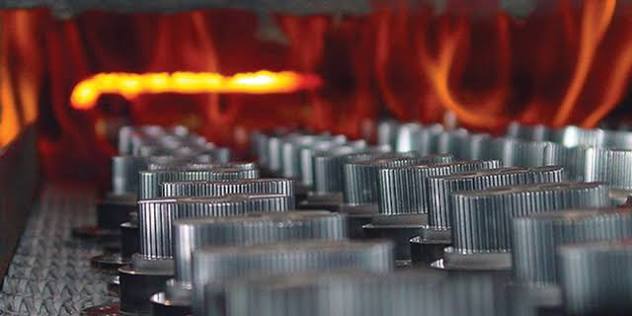
Sintering requires carefully controlled heating to bond powder particles without melting the entire material. Insufficient temperatures or holding times can result in weak bonding, while excessive heat may cause distortion, unwanted shrinkage, or changes in mechanical properties. The furnace atmosphere must also be appropriate for the selected material to prevent oxidation and undesirable chemical reactions.
Manufacturers should establish validated temperature profiles for each component and alloy. Routine furnace calibration, atmosphere monitoring, and preventive maintenance help maintain stability between production batches. Controlled cooling further reduces the risk of distortion and residual stresses. Recording thermal data allows production teams to investigate defects and improve processing parameters systematically.
Preventing Common Defects
Cracks, warping, surface imperfections, and inconsistent density can compromise component performance. These defects may originate during filling, compaction, ejection, or thermal processing. Identifying their source is more effective than depending entirely on final inspection to separate defective products from acceptable ones.
A structured prevention strategy should include:
- Inspecting dies for wear and misalignment.
- Reviewing compaction settings when cracks appear.
- Monitoring furnace conditions when distortion occurs.
- Measuring critical features throughout production.
- Tracking recurring defects to identify root causes.
Addressing problems early reduces scrap, limits production interruptions, and improves first-pass yield. Documented corrective actions also help prevent the same issues from returning.
Strengthening Quality Assurance
Quality assurance verifies that components meet their intended specifications. Inspection plans should define acceptable limits for dimensions, density, hardness, strength, and surface condition. The required checks depend on the application’s risks, operating environment, and performance expectations.
Combining in-process inspection with final testing provides more reliable oversight than examining finished products alone. Statistical process control can reveal gradual changes before they affect entire batches. Traceable production records, material certifications, and documented testing procedures also help manufacturers investigate failures, demonstrate compliance, and maintain consistent output.
Improving Production Efficiency
Efficient manufacturing requires more than increasing machine speed. Equipment availability, changeover times, energy consumption, maintenance, and scrap rates all influence production costs. Standardized procedures and preventive maintenance help reduce unexpected downtime, while appropriate batch planning supports consistent throughput.
Automation can improve repeatability in powder handling, pressing, furnace loading, and inspection. However, unstable processes should be corrected before automation is introduced. Manufacturers should track cycle times, rejection rates, and equipment interruptions to identify bottlenecks. Reviewing these measures regularly helps prioritize investments that produce measurable operational improvements.
Ensuring Long-Term Reliability
Reliable components begin with designs that account for fatigue, friction, corrosion, and operating temperatures. Depending on application requirements, secondary machining, impregnation, heat treatment, or surface finishing may improve performance. Engineers should select these treatments according to demonstrated needs rather than adding unnecessary steps.
Long-term reliability also depends on learning from service experience. Failure analysis, customer feedback, and supplier collaboration can reveal opportunities to improve material choices and manufacturing parameters. These insights support longer component life, fewer unexpected replacements, and more dependable industrial equipment.
Conclusion
Meeting demanding industrial requirements requires careful material selection, consistent processing, accurate inspection, and continuous improvement. When manufacturers address challenges at their source, they can reduce waste, control costs, and deliver dependable components for challenging applications. Volunteer Sintered Products reflects the importance of combining practical manufacturing knowledge with a commitment to quality, durability, and lasting industrial performance.