






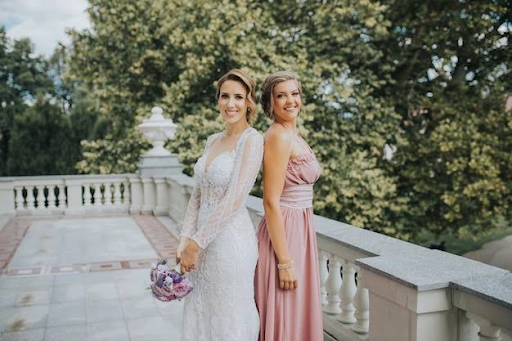
The mother of the bride holds one of the most visible roles at a wedding — present in every photograph, seated in the front row, and expected to look polished and appropriate for an event that will be remembered for decades. Finding the right dress involves navigating a surprisingly complex set of considerations: the wedding’s formality level, the colour palette the couple has established, the season, the venue, your body type, and the etiquette that governs how the mother of the bride’s attire relates to the rest of the wedding party. Approaching this process with a clear framework makes it considerably more manageable.
Start with the Wedding Details
Before considering specific styles, colour, or silhouettes, gather the essential information that constrains your choices. The formality of the wedding — black tie, formal, semi-formal, or casual — establishes the dress code floor. A floor-length gown is appropriate and often expected at a formal or black-tie wedding; a tailored midi dress or elegant cocktail-length option works well for semi-formal events. The venue matters equally: mother of the bride dresses for outdoor weddings and beach ceremonies require different considerations than a ballroom or church setting, where longer hemlines and more structured fabrics read appropriately.
The season shapes both colour and fabrication choices. Mother of the bride dresses for fall weddings typically incorporate richer tones — burgundy, champagne, deep navy, forest green — in heavier fabrics like crepe, velvet, and lace. Spring and summer call for lighter fabrics and softer palettes. Identifying these parameters before shopping prevents wasted effort on options that would be beautiful in other contexts but wrong for this specific event.
Coordinate Without Matching
One of the most common sources of confusion around how to choose a mother of the bride dress is understanding how the mother’s attire should relate to the wedding party’s. The standard etiquette is coordination, not matching. The mother of the bride should not wear the same colour as the bridesmaids, nor should she wear white, ivory, or champagne tones that could visually compete with the bride.
What colour should the mother of the bride wear? The most flattering approach is to ask the bride for the bridesmaid colour palette and then select something that complements those tones while remaining distinctly different. If bridesmaids are in dusty rose, a soft champagne, sage, or taupe works beautifully. If bridesmaids are in navy, a silver, blush, or burgundy allows the mother to look cohesive with the wedding aesthetic without blending into the bridal party.
Mother of the Bride vs. Mother of the Groom Attire
Mother of the bride vs. mother of the groom attire follows a loose hierarchy of timing. The mother of the bride traditionally selects her dress first and communicates the colour and formality level to the mother of the groom so she can choose something complementary. The two looks should harmonise without being identical. Coordination in formality level is the most important consideration — both mothers should read at the same level of dressiness in photographs.
Silhouette and Fit for Every Body Type
Elegant mother of the bride dresses come in a range of silhouettes, and the most flattering choice depends on personal preference, comfort, and body proportions. A-line silhouettes are universally flattering, creating a gentle flare from the waist that works across body types. Empire waist styles elongate the torso and work particularly well for petite frames. Fit-and-flare styles emphasise the waist and add drama at the hem. Column and sheath styles create a sleek, contemporary line that suits tall and lean frames.
Plus size mother of the bride dresses are widely available in all of these silhouettes, and fit is always more important than size label. A well-fitted dress in a slightly larger size looks infinitely better than one that gapes, pulls, or requires constant adjustment. Plan for alterations — almost no off-the-rack dress fits perfectly, and the investment in a skilled tailor is consistently worthwhile.
Sleeves, Coverage, and Comfort
Mother of the bride dresses with sleeves are a popular choice, particularly for women who prefer arm coverage or for cooler weather weddings. Three-quarter sleeves, illusion lace sleeves, and flutter sleeves all provide coverage while maintaining elegance. For sleeveless styles, a coordinating wrap, bolero jacket, or evening stole can provide coverage during the ceremony while allowing the full dress to be visible during the reception.
Long mother of the bride dresses in floor-length or tea-length options remain the most formally appropriate choice for evening ceremonies and black-tie events. Cocktail-length options are increasingly accepted at semi-formal weddings and outdoor venues where movement and practicality are considerations.
Conclusion
Choosing a mother of the bride dress is ultimately a balance between personal style, wedding context, and family coordination. Starting with the wedding’s formality and colour palette, understanding the etiquette guidelines that govern colour choices, prioritising fit above all other factors, and allowing enough time for alterations creates the foundation for looking effortlessly appropriate on one of your family’s most celebrated days.