






Choosing the right Waterproofing Specialist in Singapore is essential to protect your property from water damage, leaks, and costly repairs. With Allseal Waterproofing PTE Ltd, property owners can better understand what to look for when selecting a reliable waterproofing service provider.
Why Choosing the Right Waterproofing Specialist Matters
Waterproofing is an important part of maintaining any residential, commercial, or industrial property. Singapore’s tropical climate, frequent rainfall, and high humidity can create challenging conditions for buildings. Without proper waterproofing, water may enter through roofs, walls, balconies, bathrooms, basements, and other exposed areas.
Even a small leak can gradually develop into a bigger problem. Moisture can damage ceilings, weaken building materials, encourage mould growth, and affect the overall appearance of your property. Repairing these issues after extensive damage has occurred can also become expensive.
This is why choosing an experienced waterproofing contractor is important. A qualified specialist can identify the source of water seepage, recommend suitable solutions, and carry out the necessary work using appropriate materials and techniques.
Rather than choosing a contractor based only on price, property owners should consider experience, technical knowledge, service quality, and warranty coverage.
1. Check the Company’s Experience and Industry Background
One of the first things to consider when selecting a waterproofing contractor is the company’s experience. Waterproofing requires practical knowledge of different building structures, common leakage problems, and suitable treatment methods.
An experienced contractor is generally better equipped to understand the differences between waterproofing requirements for residential apartments, landed properties, commercial buildings, and industrial facilities.
Before making a decision, consider the following:
- Years of experience: Check how long the company has been providing waterproofing services.
- Project portfolio: Ask whether the contractor has completed projects similar to yours.
- Technical knowledge: Find out whether the team understands different waterproofing systems and applications.
- Problem-solving ability: A reliable contractor should be able to explain possible causes of water leakage and recommend appropriate solutions.
You can also ask for examples of previous projects. This helps you understand the company’s working standards and whether its experience matches your property’s requirements.
2. Understand the Range of Waterproofing Services Offered
Not every waterproofing company provides the same services. Some contractors specialise in roof waterproofing, while others handle bathrooms, balconies, external walls, basements, and other areas.
Before hiring a contractor, make sure the company can address your specific waterproofing problem.
Here are some common waterproofing services to consider.
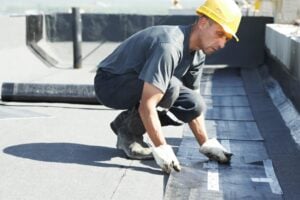
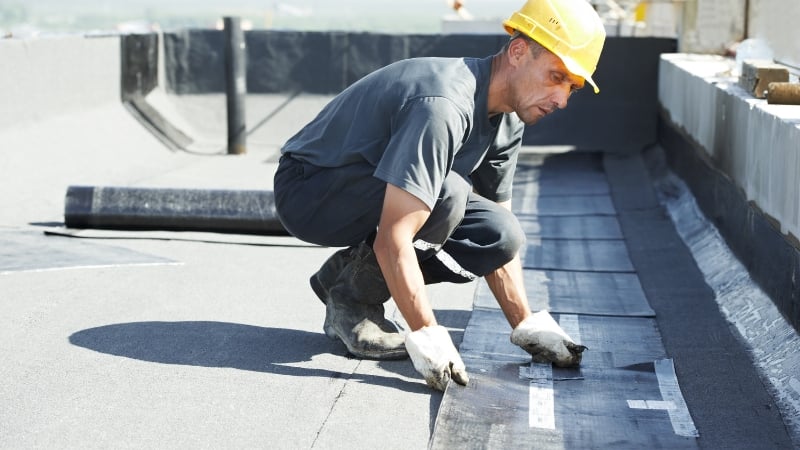
Roof Waterproofing
Roofs are constantly exposed to sunlight, rain, and changing weather conditions. Over time, waterproofing membranes may deteriorate, resulting in cracks and water penetration.
Roof waterproofing helps prevent rainwater from entering the building. Depending on the roof structure, suitable solutions may include liquid-applied membranes, protective coatings, or other waterproofing systems.
Bathroom Waterproofing
Bathrooms are frequently exposed to water, making them particularly vulnerable to leakage. Poor waterproofing around floors, walls, shower areas, and plumbing connections can cause water to seep into neighbouring rooms or lower-floor units.
Proper bathroom waterproofing helps create a protective barrier against moisture and reduces the risk of hidden water damage.
Balcony Waterproofing
Balconies are exposed to rainwater and outdoor weather conditions. Damaged waterproofing layers, inadequate drainage, and surface cracks can contribute to water seepage.
A suitable balcony waterproofing solution helps protect the underlying concrete structure and surrounding interior spaces.
Basement Waterproofing
Basements are often affected by groundwater pressure and moisture entering through underground walls or floors.
Professional basement waterproofing may involve membrane systems, injection solutions, drainage improvements, or other methods depending on the source of water penetration.
External Wall Waterproofing
External walls are exposed to rain, sunlight, and environmental conditions throughout the year. Cracks, damaged joints, and deteriorating coatings can allow water to enter the building.
Waterproofing treatments can help protect external surfaces and reduce moisture-related problems.
Choosing a company that understands multiple waterproofing applications makes it easier to find a solution that matches your property’s actual condition.
3. Evaluate the Quality of Waterproofing Materials
The quality of waterproofing materials plays an important role in the durability and effectiveness of the completed work.
Different surfaces and building conditions require different products. For example, a waterproofing system suitable for a bathroom floor may not be the best choice for an exposed rooftop.
A professional contractor should understand the advantages and limitations of different materials.
Some commonly used waterproofing materials include:
- Polyurethane coatings: Flexible waterproofing materials commonly used for roofs, balconies, and other exposed surfaces.
- Cementitious waterproofing: Cement-based products suitable for selected wet areas and concrete surfaces.
- Bituminous membranes: Materials commonly used in certain roofing and below-ground waterproofing applications.
- Acrylic waterproofing coatings: Coatings used for selected exposed surfaces and protective applications.
- Injection grouting materials: Specialised products used to address certain cracks and water leakage pathways.
When discussing a project, ask the contractor which materials they recommend and why.
You should also ask about product specifications, application requirements, compatibility with existing surfaces, and expected maintenance needs.
A trustworthy contractor should be willing to explain the proposed materials instead of simply promising that the waterproofing treatment will solve every problem.
4. Look for Proper Inspection and Problem Diagnosis
A reliable waterproofing project should begin with an appropriate inspection.
One common mistake property owners make is treating visible water stains without identifying where the water is actually entering. However, the visible location of a leak is not always its original source.
For example, water appearing on a bedroom ceiling could originate from a damaged rooftop membrane, an upper-floor bathroom, or another concealed area.
A professional inspection should consider:
- The location and extent of visible water damage.
- Possible cracks in concrete or plaster surfaces.
- Existing waterproofing conditions.
- Drainage and water flow patterns.
- Plumbing connections and surrounding structures.
- Previous waterproofing repairs or treatments.
Depending on the situation, the contractor may recommend additional testing to identify the source of leakage.
Accurate diagnosis helps prevent unnecessary repair work and reduces the possibility of recurring waterproofing problems.
5. Compare Quotations and Understand the Pricing
Price is another important factor when selecting a waterproofing company in Singapore. However, choosing the cheapest quotation does not always provide the best value.
Different contractors may quote different prices because of variations in materials, labour requirements, preparation work, application methods, and project scope.
Before accepting a quotation, check whether it clearly includes:
- Site inspection and assessment.
- Surface preparation and cleaning.
- Crack treatment, where required.
- Recommended waterproofing materials.
- Application methods and number of coats.
- Labour and equipment costs.
- Project completion timeline.
- Warranty terms and conditions.
It is also a good idea to compare at least two or three quotations from different contractors.
If one quotation is significantly cheaper than the others, ask why. The contractor may be using different materials, excluding important preparation work, or proposing a different treatment method.
A transparent quotation makes it easier to understand exactly what you are paying for and reduces the risk of unexpected expenses.
6. Check Customer Reviews and Previous Project References
Customer feedback can provide useful information about a contractor’s service quality and professionalism.
Before making your final decision, look for reviews on Google and other relevant online platforms. Pay attention to comments about communication, punctuality, workmanship, project management, and after-service support.
However, do not rely entirely on star ratings. Read the actual customer experiences to understand how the company handles different situations.
You can also ask the contractor for previous project references or photographs of completed waterproofing work.
Consider these questions:
- Does the company have experience with similar properties?
- Do customers mention satisfactory workmanship?
- Does the contractor communicate clearly?
- Are there recurring complaints about delays or unresolved issues?
- Does the company provide support after completing the project?
A company with a consistent record of professional service can offer greater confidence when planning important property maintenance work.
7. Ask About Warranty and After-Service Support
Waterproofing is a long-term property protection investment. Therefore, understanding the warranty and after-service arrangements is essential.
Different waterproofing systems may have different warranty periods and conditions. The coverage can depend on the materials used, application methods, surface conditions, and maintenance requirements.
Before starting the project, ask the contractor:
- Is a written warranty provided?
- What is the warranty period?
- Which types of leakage or defects are covered?
- Are there any exclusions?
- What happens if the treated area develops a leak again?
- Is an inspection available after project completion?
Make sure the warranty terms are documented rather than relying on verbal promises.
It is equally important to understand whether the contractor offers assistance if problems arise after the work is completed.
Good after-service support demonstrates a commitment to customer satisfaction and helps property owners feel more confident about their investment.
8. Consider the Contractor’s Communication and Professionalism
Technical experience is important, but communication also plays a major role in a successful waterproofing project.
A professional contractor should be able to explain the inspection findings, recommended treatment, estimated costs, and project schedule in a clear and understandable way.
Pay attention to how the company responds to your questions.
For example, a reliable service provider should:
- Explain the cause of the waterproofing problem.
- Recommend solutions based on the property’s condition.
- Provide a clear project quotation.
- Discuss possible limitations and risks.
- Communicate expected completion dates.
- Keep you updated throughout the project.
Avoid contractors who pressure you into making immediate decisions without providing sufficient information.
A professional working relationship makes the entire process easier, from the initial inspection to project completion.
9. Make Sure the Waterproofing Solution Matches Your Property
Every building has different structural conditions and waterproofing requirements. Therefore, there is no single solution that works for every property.
A landed house may require roof and external wall waterproofing, while a condominium unit may need bathroom or balcony leakage treatment. Commercial buildings may have additional requirements involving large roof areas, service spaces, and underground structures.
Before selecting a contractor, consider the following property-specific factors:
Property Type: Residential, commercial, and industrial buildings may require different waterproofing approaches.
Surface Condition: Existing cracks, damaged coatings, and deteriorated membranes can influence the choice of treatment.
Exposure to Weather: Outdoor areas generally require materials suitable for environmental exposure.
Water Leakage Severity: Minor surface issues and extensive water penetration may require different repair methods.
Long-Term Maintenance: Some waterproofing systems require periodic inspection or maintenance to maintain their performance.
A suitable solution should address the actual problem rather than simply covering visible damage.
10. Why Consider Allseal Waterproofing PTE Ltd?
When researching waterproofing contractors, property owners should prioritise companies that understand the importance of proper inspection, suitable materials, and professional workmanship.
Allseal Waterproofing PTE Ltd is a company to consider when exploring waterproofing solutions for property protection in Singapore.
Before proceeding with any waterproofing project, customers should discuss their specific requirements and understand the proposed scope of work.
When evaluating Allseal Waterproofing PTE Ltd or any other service provider, consider the following:
- Whether the company can address your particular waterproofing issue.
- Whether it provides a clear explanation of the proposed treatment.
- Whether the quotation outlines the materials and work involved.
- Whether the project timeline is communicated properly.
- Whether warranty and after-service arrangements are explained.
Taking the time to discuss these details helps establish realistic expectations and supports better decision-making.
Ultimately, the right contractor should focus on identifying the source of water penetration and recommending a suitable solution for your property.
Common Mistakes to Avoid When Hiring a Waterproofing Contractor
Even after researching several companies, property owners can make mistakes when selecting a waterproofing service provider.
Here are some common mistakes worth avoiding.
Choosing Based Only on the Lowest Price
A low quotation may seem attractive, but it does not necessarily include quality materials, proper surface preparation, or comprehensive workmanship.
Compare the complete scope of work rather than looking at the final price alone.
Ignoring the Source of Leakage
Treating visible water stains without identifying the actual source can result in recurring problems.
Always prioritise proper inspection and diagnosis.
Not Checking Warranty Conditions
A contractor may mention warranty coverage, but the actual conditions can vary. Always request written documentation and understand the limitations.
Selecting a Contractor Without Relevant Experience
A company experienced in one type of waterproofing may not necessarily have the right expertise for every application.
Choose a provider whose experience matches your specific requirements.
Overlooking Surface Preparation
Proper preparation is essential for many waterproofing systems. Applying new materials over unsuitable or poorly prepared surfaces can affect their performance.
Discuss the preparation process before approving the quotation.
Questions to Ask Before Hiring a Waterproofing Specialist
Before making your final decision, prepare a few important questions to help evaluate the contractor.
- How much experience do you have with this type of waterproofing project?
- Can you inspect the property before recommending a solution?
- What is causing the water leakage?
- Which waterproofing materials do you recommend?
- Why is this particular waterproofing system suitable?
- What preparation work is required?
- How long will the project take?
- What is included in the quotation?
- Do you provide a written warranty?
- What after-service support is available?
The answers will help you understand the contractor’s technical knowledge, transparency, and approach to customer service.
Final Thoughts
Choosing the right Waterproofing Specialist in Singapore requires more than comparing prices. You should consider industry experience, material quality, inspection methods, customer feedback, warranty coverage, and communication.
A well-planned waterproofing project can help protect your property, reduce recurring leakage issues, and prevent avoidable maintenance expenses. Take time to compare contractors and understand their proposed solutions before making a decision.
If you are considering waterproofing work for your property, Allseal Waterproofing PTE Ltd is worth including in your research. Focus on selecting a service provider that understands your requirements and can recommend an appropriate solution for long-term property protection.