






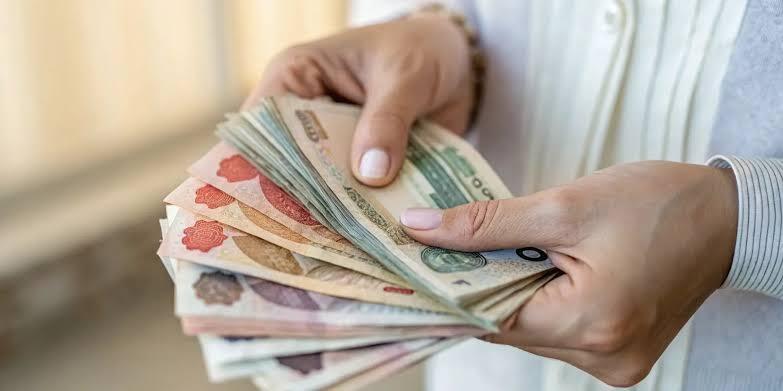
If you want to sell foreign currency, comparing your options carefully can help you get better value for your money and avoid unexpected charges. Understanding what to look for before making a decision is essential, whether you have leftover euros, British pounds, Canadian dollars, or another supported currency.
At US First Exchange, understanding your options before exchanging foreign money can help you make a more informed decision. Here are the key factors to consider when comparing foreign currency buyback services.
1. Compare Exchange Rates Before Making a Decision
One of the most important factors to consider when choosing a foreign currency buyback service is the exchange rate. The rate determines how much money you receive in return for your foreign banknotes.
Different providers may offer different buyback rates for the same currency. Even a small difference can affect the total amount you receive, especially when exchanging larger sums.
Before selecting a provider, compare the quoted rate with the current market exchange rate. Remember that the market rate is a reference point, not necessarily the rate a buyback service will offer.
For example, if you are exchanging leftover euros, request quotes from multiple providers and compare how many US dollars you would receive from the same amount of euros.
Tip: Always compare the final payout rather than relying only on advertised exchange rates. A provider offering a seemingly attractive rate may also charge additional fees.
2. Check for Hidden Fees and Additional Charges
Exchange rates are important, but they do not tell the whole story. Some currency buyback services may apply processing fees, handling charges, or other deductions that reduce your final payout.
Before you decide where to sell foreign currency, ask each provider whether the quoted amount includes all applicable charges.
Look for details such as:
- Transaction or processing fees.
- Minimum exchange amounts.
- Shipping or mailing costs, if applicable.
- Charges for particular currencies or banknote denominations.
- Any deductions based on the condition of the notes.
A transparent provider should clearly explain its pricing structure before you complete the transaction.
Taking a few minutes to review the terms can help you avoid surprises and make a more accurate comparison between different services.
3. Verify Which Foreign Currencies Are Accepted
Not every buyback service accepts every foreign currency. While many providers handle popular currencies such as euros, British pounds, and Canadian dollars, others may have a more limited selection.
If you have leftover money from a destination with a less commonly traded currency, confirm that the provider accepts it before proceeding.
You should also ask whether the service accepts coins, only banknotes, or specific denominations. Many currency buyback services primarily accept banknotes, meaning foreign coins may not qualify.
US First Exchange can be a starting point when exploring your foreign currency exchange options. Before selling, review the provider’s current currency acceptance policies and transaction requirements to ensure your money qualifies.
Checking these details in advance saves time and helps you avoid sending or presenting currency that cannot be processed.
4. Evaluate the Provider’s Reputation and Reliability
When exchanging money, choosing a trustworthy service is just as important as finding a competitive rate. A reliable provider should communicate clearly, explain its policies, and make the transaction process easy to understand.
Before committing to a service, research its reputation and look for customer reviews from people who have completed similar transactions.
Pay attention to feedback about:
- Accuracy of quoted payouts.
- Speed of payment.
- Customer service responsiveness.
- Transparency regarding fees and exchange rates.
- How complaints or payment disputes are handled.
You should also review the provider’s contact information, business details, and applicable terms and conditions.
Be cautious of services that promise unusually high payouts without explaining how their rates work. A little research can help you distinguish a transparent business from one that may not meet your expectations.
5. Understand the Selling Process and Payment Options
Different currency buyback providers may offer different ways to complete a transaction. Some may require an in-person visit, while others may accept eligible banknotes through a mail-in process.
Consider which method works best for your location, schedule, and the amount you plan to exchange.
If you prefer an in-person service, check the provider’s location, operating hours, and whether an appointment is required. For mail-in services, understand the instructions for packaging and sending your currency securely.
It is equally important to confirm how and when you will receive payment. Ask whether the provider pays by cash, bank transfer, check, or another supported method.
Before sending any banknotes, verify the payment timeline, tracking requirements, security procedures, and what happens if a shipment is delayed or lost.
A straightforward process with clearly explained steps can make it easier to sell foreign currency without unnecessary inconvenience.
6. Review Banknote Condition and Eligibility Requirements
The condition of your foreign banknotes may influence whether a provider accepts them. Some services have specific requirements regarding damaged, torn, stained, or heavily worn notes.
Banknotes that are significantly damaged may be rejected or require additional review. Certain currencies may also have restrictions involving older designs or withdrawn banknote series.
Before visiting a provider or sending your money, check its acceptance policy. Organize your banknotes by currency and denomination so you can identify exactly what you have.
If you possess older foreign banknotes, ask whether they qualify for buyback. Do not assume that every note issued in the past remains eligible for exchange.
Understanding these requirements in advance helps you set realistic expectations and reduces the likelihood of delays during the transaction.
7. Compare Convenience, Customer Support, and Processing Time
The best foreign currency buyback service is not necessarily the one with the highest advertised rate. Convenience, payment speed, and customer support can also affect your overall experience.
For instance, a provider offering a slightly better rate may require a lengthy mailing process, while another may provide a simpler transaction with a clearly defined payment timeline.
Think about your priorities before making a choice. If you need your money quickly, processing time may be particularly important. If you are exchanging several currencies, a provider that accepts multiple eligible banknotes could simplify the process.
You should also consider how easily you can contact customer support if you have questions about your payout or transaction status.
Comparing these practical factors alongside exchange rates and fees gives you a more complete picture of each provider’s value.
8. Calculate Your Expected Payout Before Selling
Once you have gathered quotes, take a moment to calculate your expected payout. This simple step makes it easier to compare services fairly.
Suppose you have €500 in leftover foreign banknotes. One provider quotes a buyback rate of $1.05 per euro, while another quotes $1.08 per euro. Before fees, the estimated payouts would be $525 and $540, respectively.
The difference is $15.
However, if the second provider charges a $20 fee and the first has no additional fee, the first provider would deliver the higher net payout.
These figures are hypothetical and are not current exchange-rate quotes from US First Exchange or any other provider.
The example demonstrates why you should always compare the amount you will actually receive after deductions. Request a clear quote based on your currency, amount, and the provider’s current terms before making your final decision.
Why Choose US First Exchange for Your Currency Buyback Research?
When you are ready to exchange leftover foreign money, choosing a provider should involve more than simply accepting the first offer you receive.
US First Exchange is a name to consider as you explore your options for selling eligible foreign currency. Before completing a transaction, review its current exchange rates, accepted currencies, fees, payment methods, and eligibility requirements.
Taking time to understand these details helps you determine whether a service meets your needs and expectations.
Whether you are clearing out banknotes after a vacation, preparing for another international trip, or organizing unused foreign money, an informed comparison can make the process easier and more transparent.
Conclusion
Choosing the right foreign currency buyback service requires careful attention to exchange rates, fees, currency eligibility, reputation, payment methods, and processing times. Looking at these factors together can help you avoid unnecessary costs and make a more confident decision.
If you plan to sell foreign currency, do not focus exclusively on the advertised rate. Compare the final payout, verify the provider’s terms, and ensure that the transaction process suits your needs.
With US First Exchange as one option to research, you can begin evaluating available services and determine which provider offers the right combination of value, convenience, and transparency for your leftover foreign banknotes.
A little preparation before selling can help you turn unused travel money into funds you can put to better use.