






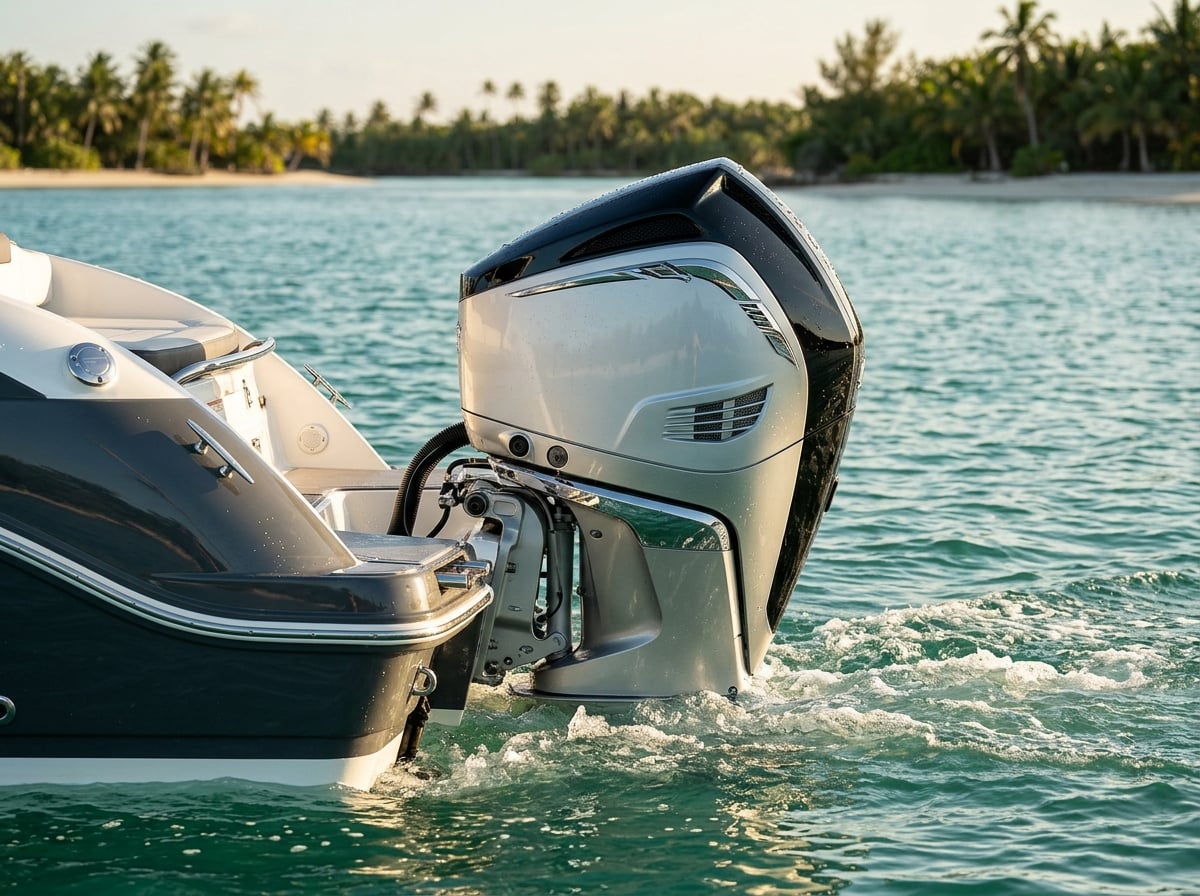
Offshore boating offers opportunities for fishing, exploration, and longer journeys away from busy coastal areas. However, travelling farther from shore requires careful preparation, particularly when the boat depends on an outboard motor for propulsion.
Unlike short recreational trips, offshore journeys can involve changing weather, extended engine operation, limited access to repair facilities, and greater demands on onboard equipment. A mechanical problem that might be inconvenient near a harbour can become a serious situation several miles offshore.
Preparing the outboard motor properly helps reduce avoidable risks and supports dependable performance throughout the journey. Whether maintaining an existing engine or researching outboard motors for sale, understanding offshore preparation is essential for responsible boating.
Why Offshore Preparation Requires Extra Attention
Offshore environments place different demands on boats and engines compared with sheltered inland waterways.
Longer operating periods can increase the importance of cooling system performance, lubrication, fuel quality, and electrical reliability. Saltwater exposure can also contribute to corrosion, particularly around exposed engine components and electrical connections.
Other challenges include:
- Limited opportunities for emergency repairs
- Changing wind and wave conditions
- Greater distances from fuel stations and marinas
- Increased fuel requirements
- Difficulties communicating from remote locations
- Limited access to replacement parts
A reliable outboard motor is important, but it must also be supported by proper maintenance, suitable safety equipment, and realistic journey planning.
Complete a Thorough Engine Inspection
Before an offshore trip, inspect the engine carefully rather than relying on its performance during previous outings.
Check Engine Oil and Lubrication
For four-stroke outboard motors, check the engine oil level and condition according to the manufacturer’s instructions.
Look for signs of unusual contamination, leakage, or deterioration. Use the recommended oil specification and avoid operating with an incorrect level.
Two-stroke engines have different lubrication arrangements. Follow the manufacturer’s requirements for premixed fuel or separate oil injection systems.
Inspect the Cooling System
The cooling system prevents the engine from overheating during operation.
Inspect visible cooling water outlets and check for signs of restricted water flow. The water pump, impeller, and related components should receive maintenance at the recommended service intervals.
If the engine has previously experienced overheating or cooling warnings, have the problem investigated before attempting a longer journey.
Examine Belts, Hoses, and Connections
Inspect accessible hoses, clamps, electrical connections, and other components for visible deterioration.
Pay attention to fuel lines, cooling hoses, and wiring that may be exposed to vibration or movement.
Replace damaged components using suitable marine-approved parts.
Inspect the Fuel System Carefully
Fuel reliability is particularly important when travelling offshore because running out of fuel or experiencing a fuel delivery problem can leave a boat without propulsion.
Begin by checking the available fuel quantity and ensuring that the fuel is appropriate for the engine.
Inspect the following components:
- Fuel tank condition
- Fuel hoses and connectors
- Primer bulb where fitted
- Fuel filters and water separators
- Tank ventilation arrangements
- Fuel caps and seals
Look for leaks, contamination, deteriorated hoses, and loose connections.
For longer journeys, calculate fuel requirements using realistic operating conditions rather than relying entirely on the manufacturer’s ideal consumption figures.
It is also sensible to maintain an appropriate reserve for changing weather, unexpected delays, and alternative routes.
Check the Propeller and Lower Unit
The propeller and lower unit are exposed to water throughout the journey and should be inspected before departure.
Examine the propeller for bent blades, cracks, impact damage, and excessive corrosion.
Check for fishing line or debris around the propeller shaft, following the manufacturer’s safety instructions.
The lower unit should also be inspected for lubricant leaks and visible damage.
A damaged propeller can affect acceleration, handling, and overall efficiency. Even minor damage may become more noticeable during extended operation.
Test the Electrical and Charging Systems
Offshore boats often depend on electrical equipment for navigation, communication, and safety.
The outboard motor’s charging system helps maintain battery power while the engine runs, but its capacity must be suitable for the boat’s total electrical demand.
Before departure:
- Check battery condition and terminal connections.
- Inspect visible wiring for damage or corrosion.
- Confirm that the engine starts reliably.
- Check charging system operation according to the manufacturer’s procedure.
- Test navigation lights and communication equipment.
- Verify that essential electronics function correctly.
Boats using multiple navigation displays, radios, or other accessories should have an electrical system designed to support their combined power requirements.
When comparing new outboard engines, consider charging output alongside horsepower and fuel consumption, especially if the boat carries several electrical devices.
Verify Steering and Throttle Operation
Reliable steering and throttle control are essential during offshore navigation.
Check the steering system for smooth movement, excessive play, unusual noises, and visible damage.
For hydraulic steering, inspect accessible hoses and fittings for leakage. Mechanical systems should be checked for restricted cable movement and corrosion.
Test the throttle and gear controls to confirm that they operate smoothly.
Any unusual resistance, delayed response, or inconsistent movement should be investigated before departure.
Carry Essential Spare Parts and Tools
Even well-maintained outboard motors can experience unexpected problems. Carrying a suitable selection of spare parts and tools can help address minor issues when professional assistance is not immediately available.
Useful items may include:
- Spare propeller and appropriate tools
- Manufacturer-recommended spark plugs
- Spare fuel filters
- Replacement fuses
- Basic hand tools
- Suitable engine lubricants
- Spare fuel line connectors where applicable
- Emergency repair supplies
The exact selection depends on the engine model, boat configuration, trip duration, and available storage.
Avoid attempting unfamiliar repairs offshore unless they can be performed safely and correctly.
Plan Fuel and Journey Requirements
Fuel planning should account for more than the distance between departure and destination.
Wind, waves, currents, passenger weight, equipment, and operating speed can all influence fuel consumption.
Before leaving:
- Identify available fuel locations along the route.
- Estimate fuel use under realistic conditions.
- Include an appropriate reserve.
- Check weather and sea conditions.
- Identify suitable alternative destinations.
- Share the planned route and return time with someone ashore.
Never assume that an engine will maintain the same fuel consumption under every operating condition.
Prepare for Saltwater Exposure
Saltwater can accelerate corrosion on exposed metal components, electrical connections, and mounting hardware.
Before the trip, check the condition of sacrificial anodes and replace them when required.
Inspect exposed fasteners, brackets, and electrical connections for corrosion or damage.
After returning, follow the manufacturer’s freshwater rinsing and cleaning procedures. Proper post-trip care helps remove salt deposits and reduces the risk of long-term deterioration.
Why Professional Servicing Matters Before Offshore Trips
Some maintenance tasks require specialist knowledge, diagnostic equipment, or tools that are not commonly available to boat owners.
A qualified marine technician can perform a more detailed inspection of the engine, including its fuel delivery, cooling performance, electrical system, and diagnostic history.
This is particularly important for engines that have not received recent servicing or have shown warning indicators.
When purchasing a used outboard, a professional inspection is especially valuable before relying on it for extended offshore journeys. Reviewing service records and checking major components can reveal potential problems that are not obvious during a brief demonstration.
Conclusion
Preparing an outboard motor for offshore boating requires careful attention to mechanical condition, fuel reliability, electrical performance, steering, and essential safety equipment. Longer journeys leave less room for unexpected failures, making preventive maintenance particularly important.
By inspecting the engine thoroughly, planning fuel requirements, carrying appropriate spare parts, and checking marine conditions before departure, boat owners can reduce avoidable risks. Combining a dependable outboard motor with sensible preparation helps create a safer and more enjoyable offshore boating experience.