





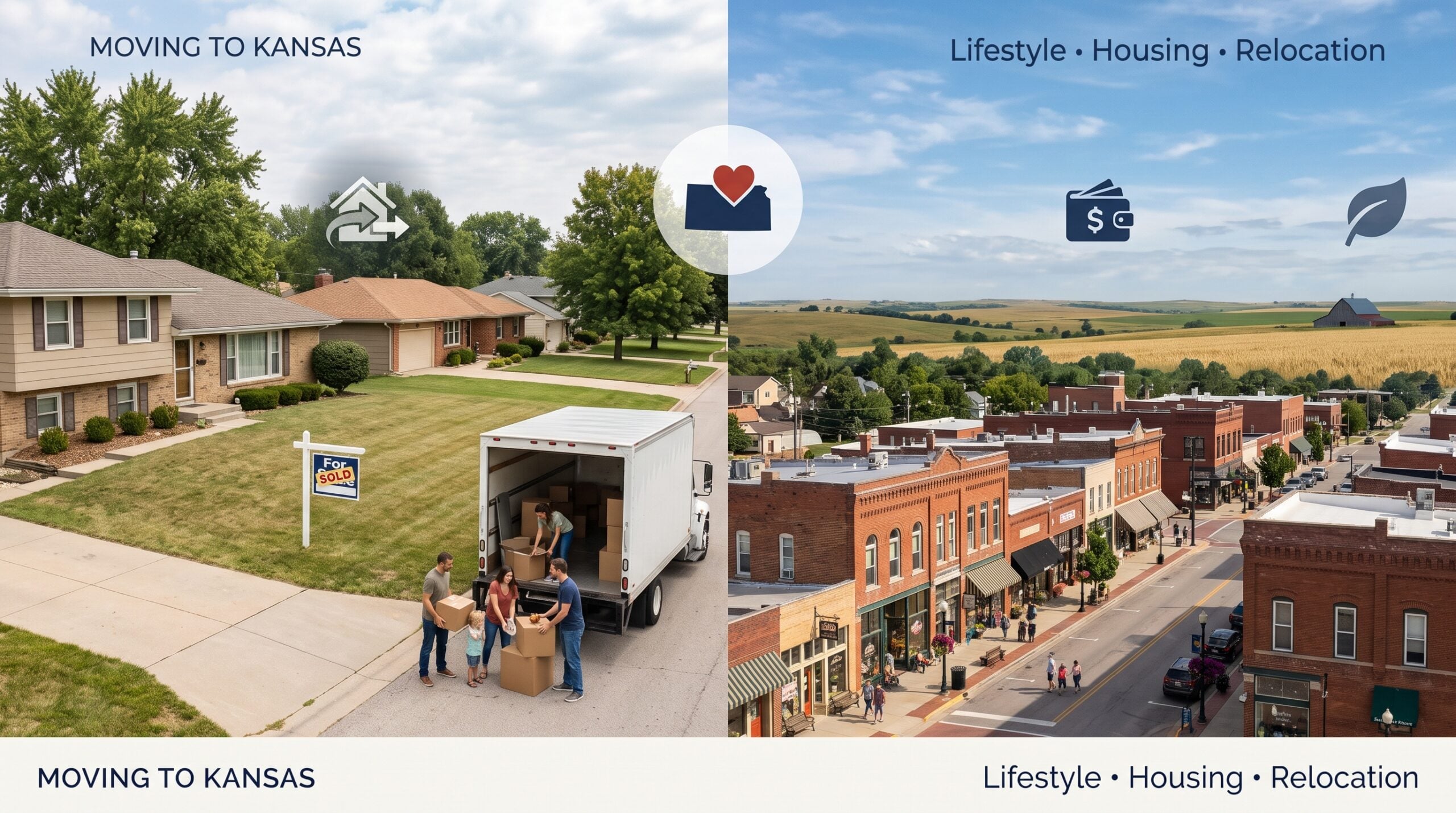
Moving to Kansas can be an excellent choice for people looking for affordable housing, a comfortable lifestyle, and opportunities to build a better future. Known for its welcoming communities, open landscapes, and relatively manageable living expenses, Kansas offers a different experience from crowded metropolitan states.
Whether you are relocating for a new job, buying your first home, raising a family, or looking for a quieter environment, the Sunflower State has several advantages worth considering.
However, understanding local housing markets, employment opportunities, weather conditions, transportation, and neighborhood differences is essential before making a decision.
This Kansas living guide explores what life is really like in the state and explains how to plan a smooth relocation.
It also covers how to compare licensed moving companies and choose reliable moving support for your upcoming move.
Is Kansas a Good Place to Move?
Yes, Kansas can be a good place to move, particularly for individuals and families who value affordable housing, manageable commutes, outdoor activities, and a less crowded living environment.
The state offers a combination of growing metropolitan areas, established suburban communities, college towns, and peaceful rural locations. This variety makes it possible to find a community that matches different lifestyles and budgets.
According to the U.S. Census Bureau, Kansas had an estimated population of 2,977,220 in July 2025. The state’s population has continued to grow since 2020, although growth varies between individual cities and counties.
Housing affordability is another important reason people consider relocating to Kansas. Census data for 2020–2024 reports a median owner-occupied home value of $217,200 and median gross monthly rent of $1,060.
These figures provide a useful starting point, but actual housing costs depend on the city, neighborhood, property size, and local market conditions.
Who Should Consider Moving to Kansas?
Kansas may be a suitable destination for:
- First-time homebuyers searching for more affordable housing.
- Families interested in suburban neighborhoods and community activities.
- Professionals working in healthcare, aviation, manufacturing, and education.
- Retirees looking for a quieter lifestyle.
- Remote workers who want more living space.
- People who enjoy outdoor recreation and open landscapes.
However, Kansas may not be ideal for everyone. People who prefer extensive public transportation, coastal living, mountainous landscapes, or consistently mild weather may find other states more suitable.
The best decision depends on your personal priorities, financial situation, and long-term plans.
Understand the Cost of Living in Kansas
One of the biggest reasons people explore Kansas is its housing affordability and overall cost of living.
Compared with many expensive metropolitan areas across the United States, Kansas can offer opportunities to manage everyday expenses without sacrificing essential amenities.
However, affordability should be evaluated across several categories rather than housing alone.
Housing and Rental Expenses
Housing is often the largest expense for people relocating to another state. Kansas provides different housing options, including apartments, townhouses, single-family homes, and larger properties outside major cities.
According to U.S. Census Bureau QuickFacts, the median value of owner-occupied homes in Kansas was $217,200 for 2020–2024. The median gross monthly rent was $1,060 during the same period.
These statewide figures are useful for budgeting, but prices can vary significantly.
For example:
- Wichita offers a range of established neighborhoods and suburban housing.
- Overland Park has attractive residential communities and access to Kansas City employment opportunities.
- Lawrence offers housing options suited to students, university employees, and families.
- Topeka provides residential choices near government offices and local employers.
- Manhattan attracts residents connected to Kansas State University and surrounding industries.
Before purchasing or renting a property, research neighborhood safety, school access, commuting distances, utility expenses, and property taxes.
Everyday Living Expenses
Daily expenses also influence whether Kansas is affordable for your household.
Consider the following categories:
- Groceries and household supplies.
- Electricity, natural gas, water, and internet.
- Health insurance and medical expenses.
- Car payments, fuel, and maintenance.
- Property taxes and homeowners insurance.
- Childcare and educational expenses.
Although some expenses may be lower than in other states, your actual monthly budget will depend on household size and lifestyle.
How to Prepare a Kansas Moving Budget
Create a realistic budget before selecting your new home.
Include your initial relocation expenses, such as deposits, packing materials, transportation, temporary accommodation, and professional moving services.
You should also keep an emergency fund for unexpected expenses during the first few months.
A detailed budget helps prevent financial pressure after arriving in Kansas.
Explore the Best Cities to Live in Kansas
Choosing the right city is just as important as choosing the state.
Kansas has several communities with different employment markets, housing options, educational opportunities, and recreational activities.
Your ideal location will depend on whether you prefer an active metropolitan environment, a family-friendly suburb, a university community, or a quieter small town.
Wichita: A Strong Choice for Employment and Affordability
Wichita is the largest city in Kansas and is widely associated with the aviation and manufacturing industries.
The city offers employment opportunities in aerospace, healthcare, education, manufacturing, and business services.
Residents can access shopping centers, restaurants, parks, entertainment venues, and educational institutions.
Wichita may be worth considering if you want:
- A larger city environment.
- Employment opportunities in aviation and manufacturing.
- Different housing options.
- Family activities and recreational facilities.
- Access to healthcare and educational services.
However, compare neighborhoods carefully because housing prices, commute times, and local amenities differ throughout the metropolitan area.
Overland Park: Ideal for Suburban Living
Overland Park is located in the Kansas City metropolitan area and is a popular option for people looking for suburban living.
The city provides access to shopping, restaurants, healthcare facilities, recreational spaces, and employment opportunities throughout the region.
Families often consider Overland Park because of its residential neighborhoods and access to educational resources.
It may be particularly suitable for professionals who work in the Kansas City area but prefer a suburban home environment.
Before relocating, compare housing costs and property taxes with nearby communities.
Lawrence: A College Town With a Community Atmosphere
Lawrence is home to the University of Kansas and has a distinctive college-town environment.
The city offers cultural activities, restaurants, local businesses, entertainment, and educational opportunities.
Lawrence may appeal to:
- University students and employees.
- Young professionals.
- Families seeking a smaller city environment.
- People interested in arts and cultural activities.
The local housing market can be influenced by university demand, so renters and buyers should research availability before committing.
Topeka: A Practical Option for Government and Public-Sector Jobs
Topeka is the state capital and offers employment opportunities connected to government, healthcare, education, and other industries.
The city has established neighborhoods, parks, schools, shopping areas, and community facilities.
People looking for a relatively relaxed city environment may find Topeka worth exploring.
Its location also provides access to other Kansas communities through regional highways.
Manhattan: Suitable for Education and Outdoor Activities
Manhattan is another attractive destination, particularly for people connected to Kansas State University.
The city combines university-related opportunities with outdoor recreation and a community-oriented lifestyle.
Residents can enjoy parks, hiking, local restaurants, and cultural activities.
Manhattan may be suitable for students, university professionals, families, and people who prefer a smaller city atmosphere.
Which Kansas City Should You Choose?
The right location depends on your priorities.
If employment opportunities are your main concern, research Wichita and the Kansas City metropolitan area.
If you prefer university communities, consider Lawrence and Manhattan.
If you want government-related employment, explore Topeka.
Compare the cost of housing, commute times, schools, healthcare access, and available services before making your final decision.
Understand the Kansas Housing Market
Finding suitable housing is one of the most important steps when relocating.
Kansas offers different residential options, from modern apartments and suburban developments to traditional houses and rural properties.
However, the housing market is not identical across the state.
Renting a Home in Kansas
Renting can be a practical option if you are moving to Kansas for the first time.
It allows you to explore different neighborhoods before committing to a long-term property purchase.
When searching for rental housing, consider:
- Monthly rent and security deposits.
- Lease duration and renewal conditions.
- Pet policies and additional fees.
- Parking availability.
- Utility responsibilities.
- Distance from workplaces and schools.
- Access to public transportation.
If possible, visit the property before signing a lease.
For people relocating from another state, virtual property tours can help narrow down suitable options, but always verify the property’s condition and rental agreement.
Buying a Home in Kansas
Buying a property may be a good long-term decision if you plan to stay in Kansas for several years.
Before purchasing, research the neighborhood and evaluate the property’s overall condition.
Important considerations include:
- Local property taxes.
- Homeowners insurance costs.
- Roof and foundation conditions.
- Heating and cooling systems.
- Storm and tornado protection.
- School districts and nearby facilities.
- Future maintenance expenses.
Do not focus only on the purchase price. A home with a lower initial price may require expensive repairs or additional maintenance.
Consider Property Taxes and Insurance
Property taxes can affect the overall cost of homeownership.
Kansas homeowners should understand local property tax rates, assessment procedures, and applicable exemptions.
Insurance is equally important because severe weather can create additional risks.
Before purchasing a property, discuss appropriate coverage with an insurance professional and review the property’s exposure to storms, hail, and flooding.
Evaluate Employment Opportunities in Kansas
Employment opportunities are another important factor when deciding whether to move.
Kansas has a diverse economy supported by several industries, including agriculture, aviation, manufacturing, healthcare, logistics, education, and professional services.
The availability of jobs varies by city, so researching employers before relocating is essential.
Aviation and Manufacturing
Wichita has a strong connection to the aviation industry.
The region has opportunities in aircraft manufacturing, engineering, maintenance, supply chains, and related technical professions.
People with experience in manufacturing and engineering may find Wichita particularly interesting.
Healthcare and Medical Services
Healthcare is an important employment sector throughout Kansas.
Hospitals, clinics, medical practices, and healthcare organizations employ professionals in nursing, administration, medical technology, and patient support.
Larger cities generally offer access to more specialized healthcare employers.
Agriculture and Food Production
Agriculture remains an important part of the Kansas economy.
The state is known for wheat production, livestock, farming, and agricultural businesses.
Employment opportunities include agricultural operations, equipment services, food processing, distribution, and related industries.
Education and Government
Universities, public schools, government departments, and local institutions provide employment throughout the state.
Lawrence and Manhattan have strong university connections, while Topeka offers opportunities related to state government.
Research Jobs Before Moving
If you are moving for employment, avoid assuming that opportunities will be available immediately after arrival.
Instead:
- Research employers in your preferred city.
- Review job requirements and salary ranges.
- Apply before relocating.
- Compare salaries with local housing expenses.
- Consider commuting distances.
- Evaluate remote and hybrid work opportunities.
A confirmed employment opportunity can make your relocation financially more manageable.
Consider Kansas Weather and Lifestyle
Kansas experiences four distinct seasons, and weather conditions can influence everyday life.
The state generally has hot summers, cold winters, and periods of severe weather.
People moving from states with mild climates should prepare for these seasonal differences.
Summers Can Be Hot and Humid
Summer temperatures can become high, particularly during July and August.
Air conditioning is important for maintaining comfortable indoor temperatures.
When choosing a home, inspect the cooling system and ask about energy efficiency.
Winters Can Be Cold
Winter weather varies across the state.
Residents may experience freezing temperatures, snowfall, icy roads, and strong winds.
Prepare your vehicle for winter conditions and keep essential supplies available during severe weather.
Tornadoes and Severe Storms
Kansas is located in a region known for severe thunderstorms and tornado activity.
This does not mean every community experiences a tornado, but weather preparedness should be part of your relocation planning.
Before selecting a home, check whether it has a basement, storm shelter, or designated safe area.
Learn about local emergency alerts and follow guidance from the National Weather Service.
Outdoor Recreation and Community Activities
Kansas offers plenty of opportunities for people who enjoy outdoor activities.
Residents can explore:
- State parks and nature trails.
- Lakes and recreational areas.
- Fishing and boating.
- Camping and hiking.
- Cycling and community sports.
- Local festivals and cultural events.
The Kansas Department of Wildlife and Parks provides information about state parks, outdoor recreation, and activities throughout the state.
Research Schools, Education, and Healthcare
Families should carefully evaluate educational and healthcare facilities before choosing a Kansas community.
Access to quality schools and medical services can significantly influence everyday life.
Public and Private Schools
Kansas has public school districts, private schools, and educational institutions across the state.
However, school quality, available programs, and resources vary by district.
Parents should research:
- School performance information.
- District boundaries.
- Student support services.
- Extracurricular activities.
- Transportation arrangements.
- Special education resources.
The Kansas State Department of Education is a useful starting point for researching public education.
Colleges and Universities
Kansas has several higher education institutions.
Some well-known institutions include:
- University of Kansas.
- Kansas State University.
- Wichita State University.
- Emporia State University.
- Pittsburg State University.
These institutions provide educational programs, research opportunities, and professional development options.
Healthcare Access
Healthcare availability should also influence your choice of location.
Larger cities generally provide more hospitals, specialists, and medical facilities.
Rural communities may have fewer nearby healthcare options, making travel distances an important consideration.
Before moving, identify hospitals, primary care providers, pharmacies, and emergency services near your potential home.
Transportation and Daily Commuting in Kansas
Transportation is an important consideration when deciding where to live.
Kansas has an extensive road network, and personal vehicles are commonly used for daily commuting, shopping, and other activities.
The U.S. Census Bureau reports an average commute time of 19.7 minutes for Kansas workers aged 16 and older during 2020–2024.
However, your actual commute will depend on where you live and work.
Driving and Highway Access
Kansas is connected through major interstate highways, including:
- Interstate 70.
- Interstate 35.
- Interstate 135.
- Interstate Kansas highways and regional routes connecting smaller communities.
Interstate 70 is particularly important for east-west travel, while Interstate 35 connects major communities and provides access toward neighboring states.
If you commute regularly, consider how close your new home is to major roads and employment centers.
Public Transportation
Public transportation options are more limited in many Kansas communities than in larger metropolitan states.
Some urban areas provide bus services, but rural residents may need personal vehicles for most daily activities.
If you do not drive, investigate transportation availability before choosing a neighborhood.
Moving Your Vehicle and Household Belongings
If you are relocating from another state, transportation planning should include your vehicle, furniture, appliances, and personal belongings.
Compare transportation options based on distance, delivery schedules, insurance, and total costs.
Planning these details early can reduce last-minute expenses.
How to Choose Reliable Moving Companies in KS
Choosing the right moving company is one of the most important parts of relocating to Kansas. Your moving experience can depend on a company’s professionalism, pricing transparency, insurance coverage, and ability to deliver your belongings safely. However, not every moving company offers the same services or pricing structure.
This is why researching and comparing several providers before making a decision is essential. To simplify your search, explore moving companies in KS to discover and compare moving companies before choosing a provider for your relocation.
Verify Licensing and Insurance
Before hiring movers, verify that the company has the appropriate authority for the type of move you are planning.
For interstate moves, check the company’s USDOT registration and applicable operating authority through the Federal Motor Carrier Safety Administration (FMCSA).
For moves within Kansas, consult the Kansas Corporation Commission (KCC) for applicable household goods carrier information.
Request Written Moving Estimates
Moving prices depend on several factors, including distance, shipment weight, home size, services, and additional requirements.
Request written estimates from at least three moving companies.
When comparing estimates, review:
- Estimated transportation costs.
- Packing and unpacking charges.
- Loading and unloading fees.
- Storage expenses.
- Additional service charges.
- Delivery windows.
- Insurance and valuation options.
Be cautious of unusually low estimates that do not clearly explain the services included.
Read Customer Reviews Carefully
Customer reviews can help you understand how a moving company handles its services.
Look for feedback about punctuality, communication, professionalism, pricing, and the condition of delivered belongings.
Do not make a decision based on star ratings alone.
Read both positive and negative reviews to identify recurring patterns.
A company with consistently detailed customer feedback may provide more useful information than one with only a few generic ratings.
Compare Services and Moving Options
Different households require different moving arrangements.
Some people only need transportation, while others require full packing, furniture disassembly, storage, or specialty-item handling.
Before selecting a provider, make sure the company offers the services your relocation requires.
Comparing services in advance helps you avoid unexpected charges and scheduling problems.
Plan Your Kansas Relocation Step by Step
A successful relocation requires more than choosing a new house and booking transportation.
Organizing your move in stages can make the entire process easier.
Six to Eight Weeks Before Moving
Start researching Kansas communities and housing options.
Create a moving budget and identify the services you may need.
During this period:
- Choose your preferred city or neighborhood.
- Research employment and schools.
- Begin collecting moving estimates.
- Compare licensed moving companies.
- Review rental or purchase agreements.
- Start decluttering your belongings.
Early preparation gives you more time to compare options.
Three to Four Weeks Before Moving
Once your moving date becomes clearer, begin organizing the practical details.
Confirm your moving company, review the written estimate, and arrange any required storage.
You should also:
- Notify your landlord if applicable.
- Schedule utility transfers.
- Update your mailing address.
- Organize important documents.
- Arrange transportation for pets.
- Start packing items you rarely use.
Keep a record of moving-related payments and agreements.
One Week Before Moving
Complete the final preparations.
Confirm the moving schedule and make sure the company has accurate pickup and delivery addresses.
Prepare a separate bag containing essentials such as clothing, medications, toiletries, chargers, important documents, and basic household items.
Take photographs of valuable belongings before loading.
Moving Day
Be available when the movers arrive.
Review the inventory, communicate any special handling instructions, and check that everything is properly documented.
Keep important personal belongings with you rather than placing them in the moving truck.
After delivery, inspect your belongings and report any visible damage according to the company’s claims procedures.
Understand the Advantages and Disadvantages of Living in Kansas
Every state has benefits and challenges, and Kansas is no exception.
Understanding both sides can help you make a more realistic decision.
Advantages of Moving to Kansas
Relatively Affordable Housing
Kansas has comparatively accessible housing options in many communities. This can make homeownership more realistic for some households.
Manageable Commutes
Many communities offer shorter commuting distances than heavily congested metropolitan areas.
Diverse Employment Industries
Aviation, agriculture, manufacturing, healthcare, and education provide employment opportunities.
Family-Oriented Communities
Many Kansas neighborhoods offer parks, schools, recreational facilities, and local community activities.
Outdoor Recreation
State parks, lakes, trails, and open spaces provide opportunities for outdoor activities.
Different Community Sizes
Residents can choose between metropolitan areas, suburbs, college towns, and smaller rural communities.
Disadvantages of Moving to Kansas
Severe Weather Risks
Tornadoes, thunderstorms, hail, and winter storms require preparation.
Limited Public Transportation
Many communities depend heavily on personal vehicles.
Fewer Employment Options in Rural Areas
Smaller towns may have fewer specialized professional opportunities.
Hot Summers and Cold Winters
The seasonal climate may be challenging for people who prefer mild temperatures throughout the year.
Long Distances Between Services
Some rural communities have limited access to hospitals, shopping centers, and specialized services.
Evaluating these disadvantages alongside the benefits will help you decide whether Kansas matches your expectations.
Important Things to Know Before Moving to Kansas
Before finalizing your relocation, review several practical details that can influence your experience.
Update Your Driver’s License and Vehicle Registration
If you are moving from another state, check Kansas requirements for obtaining a state driver’s license and registering your vehicle.
The Kansas Department of Revenue provides information about driver’s licenses, vehicle registration, and related requirements.
Prepare for Severe Weather
Keep an emergency kit in your new home.
Include essential supplies such as drinking water, flashlights, batteries, first-aid materials, and important documents.
Learn how local weather alerts work and identify the safest area in your home.
Research Local Property Taxes
Property taxes differ by location and property characteristics.
If you are purchasing a house, calculate the estimated annual tax expense before committing to the purchase.
Review Your Insurance Coverage
Make sure your homeowners or renters insurance is appropriate for your new property.
Consider coverage for severe weather, personal belongings, and other risks relevant to your location.
Get Familiar With Your Neighborhood
After arriving, explore your neighborhood and identify nearby services.
Find grocery stores, pharmacies, healthcare providers, schools, fuel stations, and emergency facilities.
Getting familiar with the area early can make the transition more comfortable.
Frequently Asked Questions About Moving to Kansas
Is Kansas a good place to live in 2026?
Yes, Kansas can be a good place to live in 2026 for people looking for relatively affordable housing, manageable commutes, employment opportunities, and a quieter lifestyle. However, the best experience depends on your preferred city, budget, and lifestyle requirements.
Is Kansas affordable compared to other states?
Kansas offers relatively affordable housing in many communities. Census Bureau data for 2020–2024 reports a median owner-occupied home value of $217,200 and median gross rent of $1,060 per month. Actual costs vary by city and neighborhood.
What are the best cities to move to in Kansas?
Some popular cities to consider include Wichita, Overland Park, Lawrence, Topeka, and Manhattan. Each offers different advantages related to employment, education, housing, and lifestyle.
What is the cost of buying a house in Kansas?
The Census Bureau reported a median owner-occupied home value of $217,200 in Kansas for 2020–2024. Actual home prices depend on the property’s location, condition, size, and features.
Is Kansas a good state for families?
Kansas can be a good option for families because many communities offer residential neighborhoods, educational institutions, parks, and recreational activities. Parents should research individual school districts and healthcare access before choosing a location.
What jobs are available in Kansas?
Kansas has employment opportunities in aviation, manufacturing, agriculture, healthcare, education, government, logistics, and professional services. Wichita and the Kansas City metropolitan area are important employment centers.
Does Kansas experience tornadoes?
Yes. Kansas experiences tornadoes and severe thunderstorms. Residents should monitor weather alerts, understand local emergency procedures, and identify a safe shelter area in their homes.
Do I need a car to live in Kansas?
A personal vehicle is useful in many Kansas communities, particularly smaller towns and rural areas. Some urban areas provide public transportation, but coverage varies.
How much do moving companies charge in Kansas?
Moving costs depend on the distance, size of the household, shipment weight, packing requirements, storage needs, and additional services. Request multiple written estimates to understand the expected cost of your specific relocation.
When is the best time to move to Kansas?
Spring and fall can be comfortable seasons for relocating because temperatures are generally more moderate than during the hottest summer months or coldest winter periods. However, weather conditions and moving-company availability should influence your schedule.
How can My Good Movers help with a Kansas relocation?
My Good Movers is an online moving directory that helps users discover and compare moving companies. People planning a Kansas relocation can explore company listings, review available customer feedback, and research providers before making a hiring decision.
Final Thoughts: Should You Move to Kansas?
Kansas can be a worthwhile destination for people looking for affordable housing, diverse employment opportunities, comfortable residential communities, and a less crowded lifestyle.
Cities such as Wichita, Overland Park, Lawrence, Topeka, and Manhattan offer different advantages, making it important to select a location that matches your professional and personal goals.
However, successful relocation requires careful preparation. Research housing costs, employment opportunities, schools, transportation, weather conditions, and local services before making your final decision.
Equally important is choosing a reliable moving company that can handle your belongings professionally.
Take time to compare licensed providers, review customer experiences, and understand the services included in each estimate.
With proper research and planning, moving to Kansas can become a positive step toward a comfortable and rewarding new chapter.