





Healthcare doesn’t always start in a doctor’s office. More often, it starts with a phone call, a chat window, or a video link, where a trained nurse decides in a few minutes how serious the problem is and what happens next. This is known as remote triage, and it is changing how patients and employers handle everything from minor illnesses to workplace injuries. This guide explains how it works and what to look for in a provider.
What Is Remote Triage?
Remote triage is the practice of evaluating a patient’s symptoms and urgency without an in-person visit. Traditionally, triage happened at a hospital front desk or emergency department, where a nurse decided who needed attention first. Telehealth moves that decision point to wherever the patient is, whether at home, at work, or on the road.
The goal is not to diagnose or treat. Instead, a clinician determines whether the patient should call an ambulance, visit an urgent care center, book a primary care appointment, or manage the issue at home with guidance.
How Telehealth Triage Works Step by Step
Although the details vary by organization, most remote triage programs follow a similar sequence.
-
Contact and Intake
The patient reaches out through a hotline, mobile app, web portal, or chat tool. Basic details such as age, location, and primary complaint are collected.
-
Symptom Assessment
A triage nurse or trained clinician asks structured questions about the symptoms, their onset, severity, and any existing conditions or medications. Most services rely on standardized clinical protocols so that every patient is assessed consistently.
-
Risk Stratification
Based on the answers, the clinician classifies the case. Red flag symptoms such as chest pain, difficulty breathing, or signs of stroke trigger an immediate emergency recommendation. Less severe cases are sorted into urgent, routine, or self-care categories.
-
Disposition and Advice
The patient receives a clear recommendation on where to go and how quickly. For mild conditions, the clinician may offer home care instructions and warning signs to look out for.
-
Documentation and Follow-Up
The interaction is recorded, and many programs schedule a callback to confirm the patient is improving or has followed the advice.
The Role of Technology
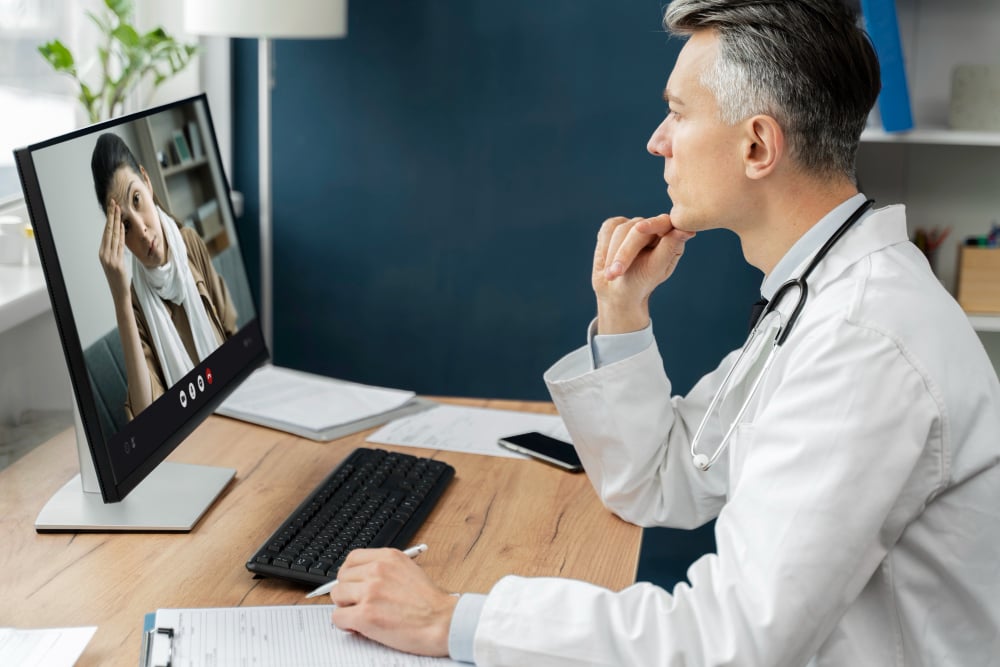
Modern remote triage blends human judgment with digital tools. Symptom checkers and decision-support software help clinicians follow evidence-based pathways, while electronic health records give them quick access to a patient’s history. Video capability lets a nurse observe breathing or mobility, which adds what a phone call alone cannot provide. Importantly, technology supports the clinician rather than replacing them, particularly in complex or ambiguous cases.
Who Provides Remote Triage Services?
Telehealth triage is offered by hospitals, health plans, employers, and specialized vendors. Among these, medical case management companies play a significant role, especially for insurers, employers, and workers’ compensation programs. These organizations use remote triage at the very start of an injury or illness claim, helping route the patient to appropriate care before costs and complications escalate.
Medical case management companies typically pair triage with ongoing coordination. After the initial assessment, nurse case managers can arrange appointments, specialist referrals, monitor recovery, and keep employers and payers informed. This continuity matters because early, accurate guidance often shortens recovery time and reduces unnecessary emergency visits.
Benefits of Remote Triage
Remote triage gives patients faster access to care while helping providers and payers reduce costs. These include:
- Faster access to care: Patients speak with a clinician in minutes rather than waiting days for an appointment.
- Lower costs: Directing patients to the right setting reduces avoidable emergency room visits.
- Reduced strain on facilities: Emergency departments can focus on the most critical cases.
- Convenience: Care guidance is available at any hour, often with no travel required.
- Consistency: Protocol-driven assessments help reduce variation between clinicians.
Choosing a Remote Triage Provider
Organizations evaluating medical case management companies or standalone triage vendors should consider a few key factors:
- Clinician qualifications, such as licensed registered nurses with triage training
- Use of recognized, evidence-based clinical protocols
- Data privacy and security compliance, including HIPAA where applicable
- Availability hours and average response times
- Integration with case management, claims, or electronic health record systems
- Quality metrics, including patient satisfaction and outcome tracking
Final Thoughts
Remote triage gives patients something valuable at a stressful moment: clear direction, fast. By combining trained clinicians, structured protocols, and digital tools, it guides people to the right care at the right time while easing pressure on the wider healthcare system. Whether delivered by a hospital or one of the many medical case management companies that coordinate care, telehealth triage is set to remain a core part of how patients enter and move through the healthcare journey.