




Products that look tidy on the shelf usually spent a few seconds inside a machine that heats and tightens plastic film. The process is fast, repeatable, and widely used across industries. This guide explains how a shrink packing machine works, which types exist, and how to choose one.
The Basic Principle
Shrink packaging relies on film that shrinks when heated. The film is wrapped loosely around a product, sealed, and then exposed to controlled heat. As it contracts, it forms a snug, protective layer around the item.
Different films shrink by different amounts, with many reaching between 30% and 80% depending on the material. A shrink packing machine manages three main variables: sealing, heating, and conveying. Getting all three right produces a clean, wrinkle-free finish.
Main Equipment Types
Sealing Stations
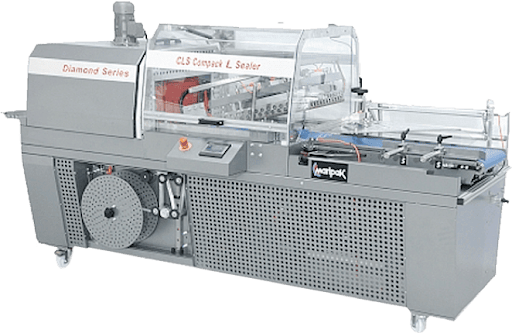
A sealing station encloses the product in film and cuts it to length. Some are manual, where an operator lowers a heated bar. Others are semi-automatic or fully automatic and index products down a conveyor.
Heat Tunnels
A tunnel is a heated chamber with a conveyor and circulating air. Products pass through, and the film contracts around them. Most lines pair a sealer with a tunnel to complete the cycle.
Sleeve and Bundle Systems
Sleeve wrapping suits bottles, cans, and multipacks, where several items are bundled in a film sleeve. These systems operate at higher speeds and often include automatic product feeding. They serve beverage, food, and household goods producers.
Choosing the Right Film
Film choice affects clarity, strength, and cost. Common materials include:
- Polyolefin, known for clarity, strength, and wide temperature tolerance
- Polyvinyl chloride, which is economical and versatile but can become brittle with heat
- Polyethylene, often used for heavier or bulk items
Match film thickness to the product and machine capability. A shrink packing machine designed for thin film may struggle with heavy gauges, so check manufacturer specifications.
Key Variables on the Line
Temperature
Too little heat leaves loose film, while too much can burn or distort it. Start at the lower end of the recommended range and raise it gradually until shrinkage looks smooth.
Conveyor Speed
Speed sets how long the package stays in the heat. A slower pace increases exposure, while a faster pace boosts output but risks incomplete shrinking. These settings work together, so changing one often requires adjusting the other.
Airflow
Even airflow ensures all sides of a package shrink at a similar rate. Adjustable vents help direct heat toward bulky or irregular items. Uniform airflow is one reason a quality shrink packing machine produces consistent results.
Venting Trapped Air
Sealed film traps air, which can create a pillow-shaped package instead of a tight one. Small perforations let that air escape during shrinking. Many sealing systems include a perforating step for this reason.
Applications
Retailers use shrink packaging for books, games, cosmetics, and boxed goods. Food producers use it for multipacks and tamper-evident seals. Warehouses and e-commerce shippers use it to protect goods and keep bundles together.
Benefits include protection from dust and moisture, tamper resistance, and a clean appearance. Shrink film also adds stability during shipping without bulky outer cartons.
Buying Considerations
Before purchasing, define production needs clearly.
- Daily or hourly output target
- Product size range and shape variety
- Film types and thicknesses
- Available floor space and power supply
- Operator skill and training needs
Ask about spare parts, technical support, and installation. Leasing and financing may help spread costs for smaller operations. A well-chosen shrink packing machine should handle today’s volume while leaving room for growth.
Maintenance and Safety
Clean sealing wires and conveyor belts regularly to prevent residue buildup. Inspect heating elements, fans, and seals on a set schedule. Operators should wear heat-resistant gloves and follow lockout procedures during servicing.
Good ventilation is also important, since heated film can release fumes in poorly ventilated spaces. Regular upkeep keeps a shrink packing machine reliable and extends its service life. Training staff on proper settings reduces waste and extends equipment life.
Conclusion
The right machine balances film compatibility, speed, sealing quality, and reliable support. Facilities that wrap single items or small batches may start with an L bar heat sealer paired with a tunnel, while higher-volume lines move to fully automatic systems. Careful planning and regular upkeep keep every package looking consistent.