







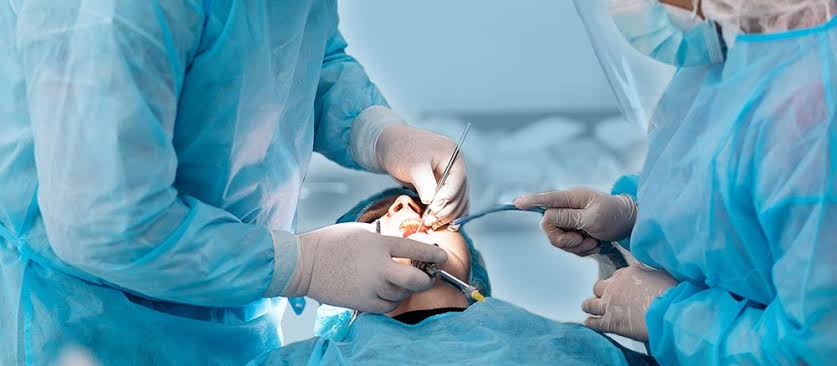
Conditions affecting the mouth, jaws, and facial bones can interfere with eating, speaking, and breathing. Some problems require surgical treatment when other approaches are unsuitable. An Oromaxillary surgeon, commonly called an oral and maxillofacial surgeon, assesses and treats these conditions. Understanding the reasons for surgery, assessment methods, and recovery requirements helps patients make informed treatment decisions.
What Is Oromaxillary Surgery?
Oromaxillary surgery, more accurately known as oral and maxillofacial surgery, involves treating conditions affecting the mouth, jaws, face, and surrounding tissues. Procedures include removing impacted teeth, repairing facial fractures, and correcting jaw abnormalities that interfere with normal daily activities.
Treatment depends on the diagnosis, severity, and patient’s overall health. Some procedures involve minor surgical interventions under local anaesthesia, while complex operations may require general anaesthesia and hospital admission. Specialists determine the appropriate approach after assessing each patient’s individual clinical needs.
When May Oromaxillary Surgery Be Recommended?
Surgery may be recommended when structural problems, injuries, or diseases affect oral and facial health. Specialists assess symptoms, functional difficulties, and available treatment options before recommending an operation. Common conditions that may require surgical management include the following:
- Jaw Misalignment: Significant positioning differences affecting chewing, speaking, or bite alignment.
- Facial Fractures: Injuries requiring surgical repair to restore bone alignment.
- Impacted Teeth: Teeth requiring removal because of infection or complications.
- Oral Infections: Severe infections or abscesses requiring surgical drainage.
- Cysts and Tumours: Abnormal growths requiring investigation or surgical removal.
- Developmental Conditions: Congenital differences requiring corrective facial or jaw surgery.
Not every condition requires surgery, and alternative treatments may be appropriate depending on individual circumstances. Specialists consider the potential benefits, risks, and expected outcomes before recommending intervention. This assessment helps patients understand whether surgical treatment is necessary for their condition.
How Is the Need for Surgery Determined?
A specialist begins by reviewing symptoms, medical history, previous treatments, and difficulties affecting daily activities. Examination may include jaw movement, bite alignment, facial structures, and oral tissues. These findings help identify the underlying problem and determine whether further investigations are necessary.
Depending on the condition, investigations may include dental X-rays, panoramic imaging, or CT scans. Specialists use these results to assess affected structures and plan treatment. Patients can discuss non-surgical alternatives, expected outcomes, and potential complications before making their treatment decision.
What Happens Before Oromaxillary Surgery?
Preparation depends on the planned procedure, anaesthetic requirements, and patient’s health. The surgical team explains the operation, expected benefits, possible risks, and recovery arrangements. Patients should disclose medical conditions, allergies, previous operations, and medications to support safe and appropriate treatment planning.
Some procedures require fasting before sedation or general anaesthesia. Patients may also need to arrange transport home and assistance during recovery. Following individual preparation instructions is important, particularly when medication adjustments or additional medical assessments are required before the planned operation.
What Are the Possible Risks of Surgery?
Oral and maxillofacial procedures carry risks that vary according to surgical complexity and individual health factors. Specialists explain relevant complications before treatment so patients understand possible outcomes. Potential risks associated with certain procedures include the following:
- Bleeding: Excessive or prolonged bleeding following surgical treatment.
- Infection: Infection developing around the operated area.
- Swelling: Temporary swelling, bruising, and discomfort during recovery.
- Nerve Injury: Temporary or occasionally persistent changes in facial sensation.
- Delayed Healing: Slower recovery associated with complications or underlying conditions.
These complications do not affect every patient, and their likelihood differs between procedures. Specialists provide information about preventive measures, postoperative care, and warning signs. Patients should discuss individual risks before surgery to make informed decisions about their proposed treatment plan.
What Can Patients Expect During Recovery?
Recovery depends on the procedure and individual healing response. Minor operations may involve several days of discomfort, while complex jaw surgery can require longer recovery. Patients should follow specific instructions regarding medication, diet, oral hygiene, and physical activity after treatment.
Follow-up appointments allow specialists to monitor healing and identify complications. Patients should report worsening swelling, persistent bleeding, fever, or increasing pain promptly. Severe breathing or swallowing difficulties require emergency medical attention. Recovery expectations should always reflect the procedure performed and individual circumstances.
Conclusion
Oral and maxillofacial surgery may be recommended for jaw abnormalities, facial injuries, infections, and other conditions affecting oral structures. A detailed clinical assessment helps determine whether surgery is appropriate and which treatment approach best meets the patient’s needs. Consulting a qualified Oromaxillary surgeon helps patients understand their options, potential risks, and recovery requirements before making informed decisions about surgical care.