



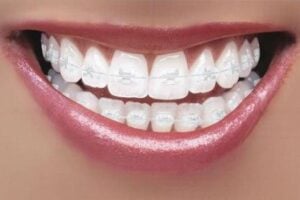


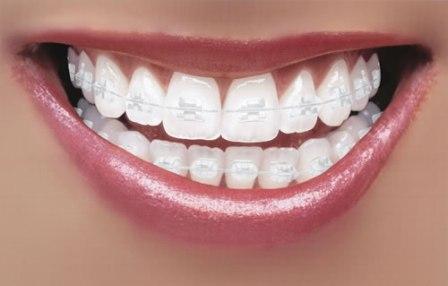
Ceramic braces are a popular orthodontic treatment designed to straighten teeth and improve smile alignment while maintaining a more discreet appearance than traditional metal braces. They work using the same basic principles as conventional braces but feature tooth-coloured or transparent brackets that blend more naturally with the teeth. This makes them an appealing option for teenagers and adults who want to improve their smiles without drawing too much attention to their orthodontic treatment.
Understanding how ceramic braces work, their components, benefits, and treatment process can help individuals decide whether this option suits their dental needs. At Dr Hasan Odeh, patients can explore orthodontic solutions designed to address different alignment concerns and support long-term dental health.
What Are Ceramic Braces?
Ceramic braces are fixed orthodontic appliances that use brackets made from a ceramic material instead of the metal used in traditional braces. These brackets are attached to the front surfaces of the teeth and connected through a thin orthodontic wire. The wire applies controlled pressure, gradually guiding teeth into their desired positions.
One of the main characteristics of ceramic braces is their appearance. Their brackets are usually tooth-coloured or clear, making them less noticeable than conventional metal alternatives. Although they are not completely invisible, they offer a more subtle appearance during everyday activities.
Ceramic braces can help address several orthodontic concerns, including crooked teeth, overcrowding, gaps, and certain bite irregularities. Their suitability depends on the patient’s dental condition and treatment requirements.
How Do Ceramic Braces Work?
Ceramic braces work by applying gentle, consistent pressure to individual teeth. This pressure encourages gradual movement through a natural biological process known as bone remodelling.
When orthodontic pressure is applied, the bone surrounding a tooth changes over time. Bone is gradually broken down on the side towards which the tooth moves and rebuilt on the opposite side. This allows the tooth to shift safely within the jawbone.
The treatment generally involves several components working together.
1. Ceramic Brackets
Small ceramic brackets are bonded to the front surface of each tooth using a specialised dental adhesive. These brackets act as attachment points for the orthodontic wire. Their tooth-coloured appearance helps them blend with natural teeth.
2. Orthodontic Archwire
The archwire connects the brackets and provides the force required to move the teeth. As the wire is adjusted during appointments, it guides the teeth towards their planned positions.
3. Elastic Ligatures
Small elastic bands, commonly called ligatures, may be used to hold the archwire securely within the brackets. These bands are often available in clear or tooth-coloured options to maintain a discreet appearance.
4. Regular Adjustments
Orthodontic appointments are necessary to monitor progress and make adjustments. The dentist or orthodontist may replace or modify the archwire and elastic components to maintain appropriate pressure throughout treatment.
What Dental Problems Can Ceramic Braces Correct?
Ceramic braces can treat various alignment and bite problems. However, the exact results depend on the complexity of the orthodontic condition.
Some common concerns include:
Crooked Teeth: Teeth that grow at different angles or overlap can affect smile appearance and make cleaning more difficult. Ceramic braces gradually guide them into better alignment.
Dental Crowding: When there is insufficient space in the jaw for all teeth to sit properly, overlapping and twisting may occur. Orthodontic treatment helps improve their positioning.
Gaps Between Teeth: Unwanted spaces between teeth can be reduced by applying controlled pressure that gradually moves the teeth closer together.
Overbite: An overbite occurs when the upper front teeth extend excessively over the lower front teeth. Depending on its severity, ceramic braces may help improve the relationship between the upper and lower teeth.
Underbite: An underbite occurs when the lower front teeth sit in front of the upper front teeth. Some cases can be managed with braces, although more complex conditions may require additional orthodontic or surgical treatment.
What Are the Main Benefits of Ceramic Braces?
Ceramic braces offer several advantages for people seeking orthodontic correction with a less noticeable appliance.
Discreet Appearance
Their biggest advantage is their appearance. Tooth-coloured or transparent brackets are less visible than traditional metal brackets, making ceramic braces suitable for individuals who prefer a subtle orthodontic option.
Effective Teeth Alignment
Ceramic braces use the same fundamental orthodontic principles as metal braces. They can correct many alignment problems, including crooked teeth, spacing issues, and selected bite concerns.
Fixed Treatment System
Unlike removable orthodontic appliances, ceramic braces remain attached to the teeth throughout treatment. Patients do not need to remember to remove or reinsert them, helping maintain continuous orthodontic pressure.
Suitable for Adults and Teenagers
Ceramic braces can be an appropriate choice for both adults and teenagers when their dental condition supports this treatment. Their less noticeable design is particularly appealing to people concerned about the appearance of metal braces.
Improved Dental Function
Correcting misaligned teeth can improve how the upper and lower teeth meet. Better alignment may also make brushing and flossing easier, helping patients maintain better oral hygiene.
Are Ceramic Braces Different from Metal Braces?
The primary difference between ceramic and metal braces is the material used for their brackets. Traditional braces use stainless steel or other metal components, while ceramic braces use tooth-coloured or transparent brackets.
Both systems use brackets and archwires to apply pressure and gradually reposition teeth. However, ceramic braces are generally chosen for their discreet appearance, whereas metal braces are often selected for their durability and affordability.
Ceramic brackets may be more fragile than metal brackets and can require additional care. Their treatment time is not automatically shorter or longer than metal braces; it depends on the individual orthodontic condition and treatment plan.
How Long Does Ceramic Braces Treatment Take?
The duration of ceramic braces treatment varies from one patient to another. Some individuals may achieve their desired alignment within 12 to 18 months, while more complex cases can require two years or longer.
Several factors influence treatment duration, including the severity of misalignment, the patient’s age, the movement required, and how consistently scheduled appointments are maintained.
Following the orthodontist’s instructions and attending regular check-ups can help keep treatment on track. Once the braces are removed, wearing retainers as recommended is essential to maintain the achieved results.
How to Take Care of Ceramic Braces
Proper oral hygiene is particularly important during orthodontic treatment because food particles and plaque can accumulate around brackets and wires.
Patients should follow these care practices:
- Brush after meals using a soft-bristled toothbrush and fluoride toothpaste.
- Clean carefully around each bracket to remove trapped food particles.
- Floss daily using orthodontic floss or a suitable flossing aid.
- Avoid hard foods such as ice, hard sweets, and unpopped popcorn kernels.
- Limit foods and drinks that may stain ceramic brackets or elastic ligatures.
- Attend scheduled orthodontic appointments.
- Follow professional instructions if a bracket becomes loose or damaged.
Maintaining these habits helps protect the teeth and gums while supporting a smoother orthodontic experience.
Who Is a Good Candidate for Ceramic Braces?
Ceramic braces may be suitable for individuals who want to correct dental alignment while keeping their orthodontic treatment relatively discreet. They are particularly popular among adults and teenagers who are comfortable with fixed braces but prefer tooth-coloured brackets.
However, they may not be the best choice for every patient. People with complex orthodontic problems, certain bite conditions, or habits that increase the risk of bracket damage may benefit from alternative treatments.
A professional dental examination is necessary to evaluate tooth alignment, gum health, bite relationships, and available treatment options.
Conclusion
Ceramic braces provide an effective orthodontic solution for individuals who want straighter teeth without the prominent appearance of traditional metal braces. By using ceramic brackets, archwires, and controlled pressure, they gradually improve tooth alignment and help address common dental concerns such as crowding, spacing, and selected bite irregularities. Proper oral hygiene, regular adjustments, and consistent retainer use are essential for achieving and maintaining successful results. Patients considering orthodontic treatment can consult Dr Hasan Odeh to understand their options and determine whether ceramic braces are appropriate for their dental needs. Exploring professional care for Ceramic Braces in Dubai can be a valuable step towards achieving a healthier, more balanced, and confident smile.