





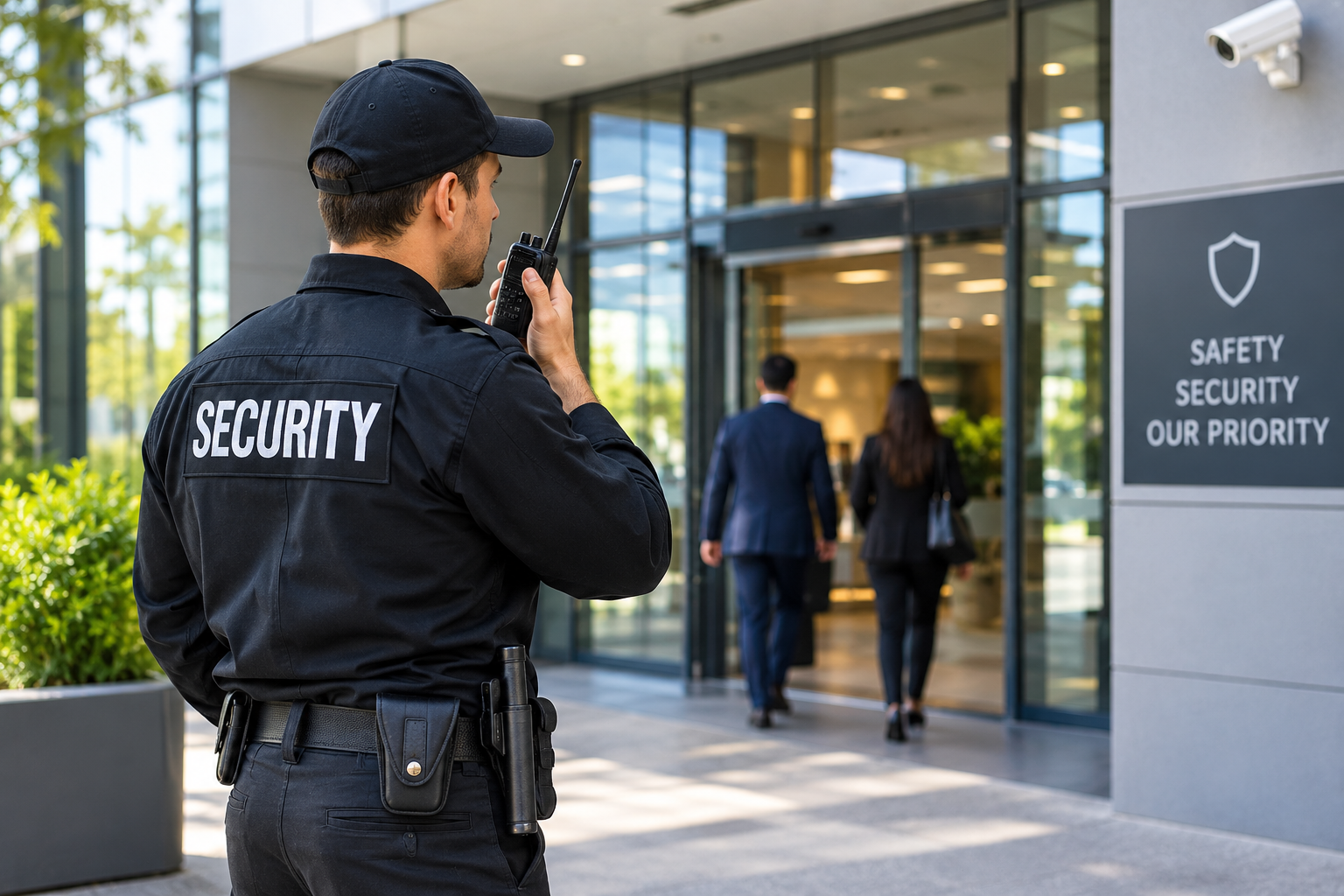
Professional security guards play an important role in protecting people, property, and businesses. From monitoring entrances to identifying potential risks, their presence helps create a safer and more organized environment. Security guards work in a variety of settings, including office buildings, residential communities, retail stores, construction sites, hospitals, and special events. Although their daily duties may differ depending on the location, their primary goal remains the same: to help prevent security incidents, respond appropriately to concerns, and support the safety of everyone on the premises.
For businesses and property owners looking for a Security Guard Service Fort Lauderdale, understanding a guard’s responsibilities can help them make informed decisions about their security needs. Professional security involves much more than standing at an entrance or watching surveillance cameras. It requires observation, communication, sound judgment, and the ability to follow established procedures. First Class Security Academy & Services recognizes the importance of professional preparation and responsible conduct in helping security personnel perform their duties effectively.First Class Security Academy & Services
Monitoring and Protecting Property
One of the main responsibilities of a professional security guard is monitoring the property they are assigned to protect. This may involve patrolling hallways, checking entrances and exits, observing parking areas, and keeping an eye on locations where unauthorized access could occur. Guards may also monitor surveillance systems and look for unusual activity, damaged access points, or other conditions that could create a safety concern. Consistent observation helps identify potential problems before they develop into more serious incidents.
Property protection also requires guards to understand the specific needs of the location. For example, a retail store may need attention focused on customer areas and merchandise, while a construction site may require monitoring of equipment, materials, and restricted zones. Security personnel should follow the property’s rules, maintain accurate patrol records, and report suspicious activity through the appropriate channels. Their role is to help deter unauthorized activity while treating employees, residents, customers, and visitors professionally.
Controlling Access and Verifying Visitors
Access control is another essential duty, particularly in office buildings, residential complexes, warehouses, and other facilities with restricted areas. Security guards may check identification, verify visitor appointments, issue temporary passes, and confirm that individuals have permission to enter designated spaces. By following established entry procedures, they help reduce the risk of unauthorized access and support the orderly movement of people throughout a property.
Effective access control requires both attention to detail and good communication. Guards should explain entry requirements politely, direct visitors to the correct locations, and apply the same rules consistently. If someone attempts to enter without authorization or refuses to follow established procedures, the guard should follow the property’s security protocol and notify a supervisor when necessary. They should avoid making assumptions based on appearance and rely on clear policies, appropriate verification, and observed behavior.
Identifying Risks and Preventing Security Incidents
Professional security guards are expected to remain alert to conditions that could threaten people or property. These may include unattended items, damaged doors, suspicious behavior, unsafe surroundings, or attempts to bypass security procedures. Early recognition allows guards to report concerns and take appropriate preventive steps before a situation escalates. Their visible presence can also discourage some forms of misconduct and remind visitors that safety procedures are being enforced.
Risk prevention involves understanding the difference between an unusual situation and an actual security threat. Guards should remain observant without making unsupported accusations or unnecessarily escalating interactions. Their decisions should be guided by training, workplace policies, and the circumstances they observe. Common preventive responsibilities include:
- Conducting routine patrols: Checking designated areas and identifying unusual activity or safety concerns.
- Observing entry points: Watching for unauthorized entry and following visitor verification procedures.
- Reporting hazards: Notifying the appropriate person about damaged locks, poor lighting, or other security weaknesses.
- Following site procedures: Applying established rules for restricted areas, keys, badges, and visitor access.
- Maintaining awareness: Staying attentive to surroundings instead of becoming distracted during assigned duties.
Responding to Emergencies and Unexpected Situations
Security guards may be among the first people to notice an emergency, such as a fire alarm, medical incident, disturbance, or suspected break-in. Their responsibilities generally include assessing the situation within their training, alerting emergency services when appropriate, notifying supervisors, and following the property’s emergency response plan. Depending on the location and their qualifications, they may help direct occupants toward exits, keep access routes clear, or guide responders to the affected area.
Remaining calm is especially important during emergencies because confusion can increase risk. Security personnel should communicate clearly, avoid spreading unverified information, and prioritize the safety of people nearby. They must also understand the limits of their authority and training. For example, medical assistance should remain within their qualifications, and potentially dangerous situations may require immediate support from police, firefighters, or other emergency professionals. After the incident, guards may be expected to document what happened and provide factual information to supervisors or responding authorities.
Communicating and Maintaining Accurate Reports
Communication is a major part of effective security work. Guards regularly interact with employees, residents, customers, visitors, supervisors, and emergency responders. They may answer questions, explain site rules, provide directions, and address concerns before those concerns become larger problems. A professional, respectful approach helps build trust and makes it easier for people to report suspicious activity or request assistance.
Written reporting is equally important because accurate records help organizations understand incidents and identify recurring problems. Security guards may document patrols, visitor entries, unusual observations, property damage, complaints, and emergency responses. Reports should be clear, timely, and based on facts rather than personal opinions or speculation. When a situation involves a potential crime or serious safety concern, guards should follow the required reporting procedures and preserve relevant information without interfering with an official investigation.
Demonstrating Professionalism and Following Security Procedures
Professional security guards are expected to act responsibly, maintain confidentiality, and respect the rights of the people they encounter. This includes following assignment instructions, arriving on time, wearing the required uniform when applicable, and treating individuals fairly. Guards should avoid unnecessary confrontation, remain composed when dealing with difficult behavior, and use de-escalation techniques when appropriate. Their conduct reflects not only on themselves but also on the organization or client they represent.
Security responsibilities must also be performed within applicable laws, licensing requirements, and employer policies. Guards should understand what actions they are authorized to take, when to request assistance, and how to handle confidential information. They should never claim authority they do not possess or use force outside the limits permitted by law and their training. First Class Security Academy & Services can be a relevant resource for people exploring security education and professional development, helping them understand why preparation, ethical conduct, and responsible decision-making matter in the security field.
Why Training Matters for Professional Security Guards
Training helps security personnel develop the practical skills needed to perform their responsibilities consistently. Depending on the role, relevant preparation may cover observation, access control, report writing, communication, conflict de-escalation, emergency procedures, and appropriate responses to suspicious activity. Training can also help guards understand the difference between their responsibilities and those of law enforcement or other emergency professionals. The specific requirements depend on the assignment, employer, and applicable state and local regulations.
Ongoing learning is valuable because security environments and workplace procedures can change over time. Guards may need refresher training, updated site instructions, or additional qualifications for specialized assignments. Employers should ensure that personnel meet the applicable licensing and training requirements before assigning duties. When businesses understand the responsibilities of security personnel and select appropriately qualified professionals, they can build a more organized approach to protecting people, property, and daily operations.
Conclusion
Professional security guards have responsibilities that extend far beyond watching entrances or patrolling a building. They help monitor property, verify access, identify risks, respond to emergencies, communicate with the public, and maintain accurate reports. Their effectiveness depends on alertness, sound judgment, professionalism, and a clear understanding of their authority. Proper training and consistent procedures help security personnel carry out these duties responsibly. For organizations evaluating their protection needs, understanding these responsibilities is an important step toward creating a safer environment for employees, visitors, and property.
FAQs
1. What is the main responsibility of a professional security guard?
The primary responsibility is to help protect people and property by monitoring the assigned area, identifying potential risks, controlling access when required, and reporting security concerns.
2. Do security guards have the authority to arrest people?
A security guard’s authority is limited by applicable law and the circumstances of the situation. Guards should follow legal requirements and employer procedures rather than assume the same powers as police officers.
3. What should a security guard do during an emergency?
A guard should follow the site’s emergency plan, contact emergency services when appropriate, alert supervisors, and help protect people within the limits of their training and authority.
4. Why is report writing important for security guards?
Accurate reports provide a record of incidents, observations, patrols, and other relevant activities. They help supervisors assess concerns, review patterns, and share factual information when needed.
5. What skills should a professional security guard have?
Important skills include observation, communication, reliability, sound judgment, conflict de-escalation, attention to detail, and the ability to follow procedures under pressure.