







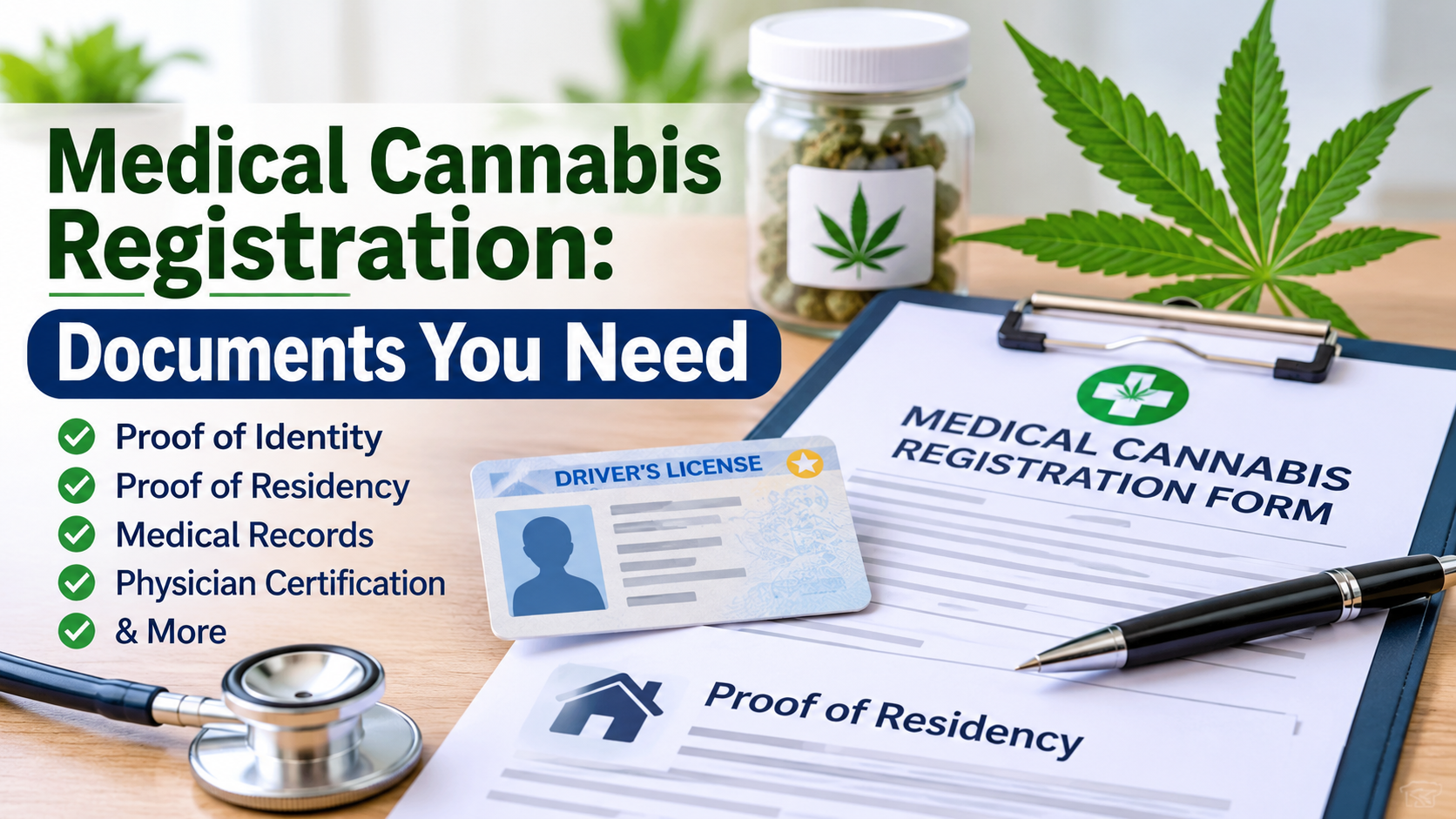
Applying for medical cannabis registration can feel confusing at first, especially if you are trying to understand what paperwork is required and how the process works in your state. The good news is that most applications follow a similar pattern, and once you know what to gather ahead of time, the process becomes much easier to manage. Whether you are applying for the first time or renewing your status, having the right documents ready can save time, reduce mistakes, and help you avoid delays.
In many states, the registration process begins with a qualifying medical evaluation, followed by submitting proof of identity, residency, and other supporting records. If you are looking into a medical marijuana card arlington process, for example, you may notice that local requirements still follow the same basic documentation standards used across the country, even though details can vary by state. Understanding those core requirements is the best place to start before you submit anything.
Key points:
- You usually need proof of identity, residency, and a qualifying medical condition.
- Some states require a physician certification or written recommendation before registration.
- Documents must often be current, legible, and match the information on your application.
- Minor applicants may need additional consent forms and a parent or guardian’s identification.
- Keeping digital and paper copies of your records can make renewals much easier.
Why Documentation Matters
Medical cannabis registration is regulated by state law, which means the documents you submit are used to confirm that you are eligible for the program. Officials need to verify who you are, where you live, and whether you qualify medically. Missing or mismatched documents can lead to delays, rejection, or requests for additional information.
Good documentation also protects you. It helps create a clear record of your application and makes it easier to renew later if your state requires annual recertification. If you move, change your name, or update your medical records, having everything organized will make the next step much simpler.
Basic Documents Most Applicants Need
1. Proof of Identity
The first document most states ask for is a valid government-issued photo ID. This can usually be a driver’s license, state identification card, or passport. The main purpose is to verify that you are the person applying.
Make sure your ID is not expired. If your name has changed recently due to marriage, divorce, or another legal reason, your ID should match the name on your application or be supported by legal name-change documents.
2. Proof of Residency
Most medical cannabis programs require proof that you live in the state where you are applying. Acceptable documents often include a utility bill, lease agreement, mortgage statement, voter registration card, or government correspondence with your current address.
In many cases, the document must be recent, usually dated within the last 30 to 90 days. A state may also require your residence document to show your full name and current address clearly. If you recently moved, update your address before applying if possible.
3. Medical Records or Diagnosis Documentation
Applicants usually need records that show a qualifying medical condition. This may include doctor’s notes, specialist records, test results, treatment summaries, or a letter from a physician confirming the diagnosis. Some states have a specific list of qualifying conditions such as chronic pain, epilepsy, cancer, PTSD, multiple sclerosis, or severe nausea.
Even if your state does not require a full medical file, it is smart to keep recent records available. A provider may ask for supporting information during the evaluation process, especially if your condition is not immediately obvious from a standard exam.
4. Physician Certification or Recommendation
In many states, a licensed physician, nurse practitioner, or other approved medical professional must certify that medical cannabis may help treat your condition. This certification is often one of the most important documents in the application process.
Some states require a formal signed recommendation, while others use an electronic certification submitted directly through the state portal. Always check whether your provider is approved to complete cannabis evaluations in your state, because not every healthcare professional can issue the necessary paperwork.
Additional Documents Some States May Require
Social Security Number or Tax ID Information
Some registration systems ask for the last four digits of your Social Security number or another tax identification number for identity verification. This is not always required, but if it is listed in the application instructions, you should provide it exactly as requested.
Passport-Style Photo
A few states require a recent passport-style photo for the card or registration record. If so, the photo should be clear, well lit, and taken against a plain background. Avoid hats, sunglasses, or filters. If your state accepts a digital upload, follow the size and format rules closely.
Application Fee Payment
Many states charge a registration fee. The exact amount varies, and some states offer reduced fees for veterans, seniors, or people with financial hardship. Keep payment confirmation or a receipt after submitting your application in case you need to prove payment later.
Caregiver or Guardian Documents
If you are applying for a minor or if you need a caregiver to assist with cannabis use, additional documents may be required. These can include:
- Parent or guardian photo ID
- Proof of legal guardianship
- Caregiver application form
- Consent forms signed by the patient and guardian
These extra documents help the state confirm that the caregiver is legally allowed to assist the patient and that the arrangement is properly documented.
How to Prepare Your Paperwork
Check the State Rules First
Medical cannabis laws are state-specific, so the exact documents you need may differ depending on where you live. Before you begin, visit your state’s official medical cannabis website or review the application checklist carefully. Some states only accept digital submissions, while others still require mailed forms or in-person verification.
Match Every Detail
One of the most common reasons for delays is inconsistent information. Your name, address, date of birth, and identification number should match across all documents. If your driver’s license shows a different address than your utility bill, you may need to update one of them before applying.
Use Clear Copies
If you are uploading or mailing documents, make sure they are readable. Blurry scans, cut-off corners, and dark photos can slow down the process. Scan documents in color when possible, and save digital copies in a secure folder so you can reuse them for renewals.
Keep Originals Handy
Even if you submit copies, keep the original documents in a safe place. You may need them if the state requests verification or if you need to correct an error in your application.
Common Mistakes to Avoid
Many applicants run into the same avoidable problems. Being aware of them can help you submit a cleaner, more complete application.
- Submitting an expired ID
- Using a proof of residency document that is too old
- Forgetting to sign required forms
- Uploading poor-quality scans or photos
- Using a nickname instead of your legal name
- Not checking whether the provider is approved to certify patients
Taking a few extra minutes to review everything before submission can prevent weeks of delay later.
What to Expect During Renewal
Renewal often requires many of the same documents as the original application, including identity and residency proof, along with updated medical certification if your state requires it. Some states make renewal easier by keeping your previous records on file, but you should not assume that old paperwork will still be accepted automatically.
If your medical condition has changed, bring updated records to your follow-up visit. If your address has changed, update that information before renewing. Keeping your file current helps ensure there are no interruptions in your registration status.
Practical Tips for Staying Organized
A simple document system can make the entire process less stressful. Create a folder on your computer and a paper folder at home for the following items:
- Photo ID
- Proof of residency
- Medical records
- Physician certification
- Application confirmation
- Fee receipt
You may also want to keep notes on when each document expires. That way, you can renew your ID or update your residency proof before it becomes a problem.
Conclusion
Medical cannabis registration is much easier when you know what documents to prepare. At the most basic level, you will usually need proof of identity, proof of residency, medical documentation, and a physician certification. Depending on your state and situation, you may also need photos, caregiver forms, payment records, or additional supporting paperwork.
The key is to check your state’s rules, gather everything early, and make sure all information is accurate and current. A complete application not only saves time but also helps you move through the process with fewer setbacks. With the right documents in hand, you can focus more on your health and less on paperwork.
FAQ
What is the most important document for medical cannabis registration?
In most states, the most important documents are your government-issued photo ID, proof of residency, and physician certification. Without these, the application usually cannot move forward.
Can I use an out-of-state ID to apply?
Usually no. Most states require proof that you are a resident of that state. You may need a local driver’s license, state ID, or other accepted residency document.
Do I need medical records if I already have a doctor’s recommendation?
Sometimes yes. Even if a doctor recommends medical cannabis, some states or providers may still want supporting records to confirm your diagnosis or treatment history.
How recent should my proof of residency be?
This depends on the state, but many programs require a document dated within the last 30 to 90 days. Check the official application instructions for the exact rule.
What if my name on my ID does not match my other documents?
You may need to provide legal name-change documents, such as a marriage certificate or court order, so all records align with your application.
Do minors need extra documents?
Yes. Minor applicants often need a parent or guardian to apply on their behalf, along with guardianship proof and signed consent forms.
Should I keep copies of everything I submit?
Absolutely. Keeping copies makes it easier to handle corrections, renewals, or future applications without starting from scratch.