







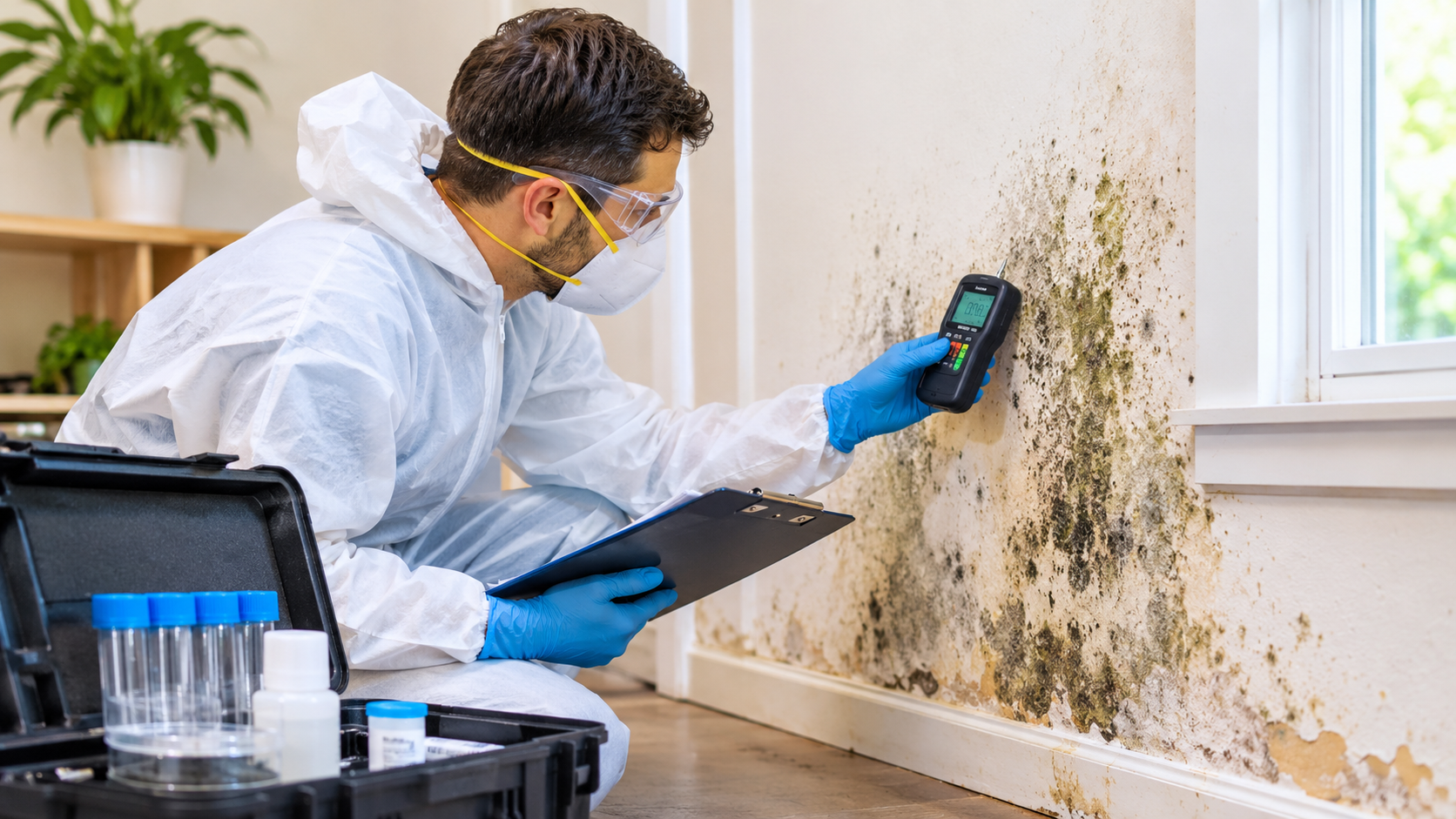
Mold is a common problem in residential properties, especially in areas exposed to excess moisture, poor ventilation, or water damage. It can develop behind walls, beneath flooring, around windows, and in damp basements without being immediately noticeable. While some mold growth is easy to recognize through visible spots or musty odors, hidden contamination can remain undetected for extended periods. Understanding the importance of mold testing helps homeowners identify potential problems before they lead to more extensive property damage.
For homeowners concerned about indoor mold growth, professional Mold Testing Minneapolis services can help identify potential contamination and provide valuable information about indoor environmental conditions. Professional testing methods may involve collecting air or surface samples and examining them to understand the types and concentrations of mold present. This information can help property owners make informed decisions about further inspection, moisture control, and appropriate remediation when necessary.
What Is Mold Testing?
Mold testing is a process used to investigate the possible presence and concentration of mold in indoor environments. Professionals may collect samples from the air, building materials, or visible surface growth, depending on the property’s condition and the purpose of the assessment. These samples can be analyzed by a laboratory to identify mold types and provide additional information about potential indoor contamination.
Unlike a basic visual inspection, testing can provide information that cannot always be obtained by looking at surfaces alone. However, it is important to understand that mold testing is not necessary in every situation. Visible mold and obvious moisture problems may already provide enough information to determine the next steps. Testing is most useful when it addresses a specific concern that requires further investigation.
Why Is Mold Testing Important for Homeowners?
Many homeowners assume that mold is only a concern when dark patches appear on walls or ceilings. However, moisture can accumulate in concealed spaces, allowing mold to develop behind drywall, beneath carpets, or around plumbing fixtures. Identifying potential problems early can help homeowners understand the condition of their properties and determine whether professional cleanup or additional investigation is needed.
Another important benefit is having more information when making property maintenance decisions. Mold testing may help clarify concerns about indoor air quality, investigate suspected hidden growth, or evaluate conditions following water damage. Rather than relying on assumptions, homeowners can use professional findings to choose suitable solutions based on the actual circumstances.
What Are the Common Signs That Your Home May Need Mold Testing?
Mold does not always appear in obvious places, which makes recognizing early warning signs particularly important. Persistent musty odors, unexplained moisture, water stains, and recurring discoloration may indicate conditions that support mold growth. These signs should not be ignored, especially when they occur in basements, bathrooms, crawl spaces, or areas that have experienced previous leaks.
Homeowners should pay attention to the following potential warning signs:
- A persistent musty smell in specific rooms or enclosed spaces.
- Water stains or discoloration on walls and ceilings.
- Visible mold spots around windows, bathrooms, or basement walls.
- Previous flooding or unresolved plumbing leaks.
- Repeated condensation and excessive indoor humidity.
These conditions do not automatically confirm the presence of mold, but they can indicate the need for a closer evaluation. Addressing the underlying moisture issue is often more important than simply investigating visible discoloration.
How Does Professional Mold Testing Work?
Professional mold testing usually begins with an assessment of the property and a discussion about the homeowner’s concerns. Technicians examine areas with visible moisture, investigate potential sources of water intrusion, and identify locations where hidden mold may be suspected. This preliminary evaluation helps determine whether sampling is appropriate and which testing methods are most suitable for the situation.
Depending on the property’s condition, professionals may collect indoor air samples, outdoor comparison samples, or surface samples. Air sampling can provide information about airborne mold spores, while surface sampling can help identify growth on specific materials. Samples are generally sent to a laboratory for analysis, and the results are interpreted alongside inspection findings and moisture conditions.
What Are the Different Types of Mold Testing Methods?
Different sampling techniques serve different purposes, and selecting the right method depends on the suspected problem. Air sampling is commonly used when there are concerns about airborne mold spores, particularly when no obvious growth is visible. Surface sampling may be useful when identifying visible growth on a particular material is important for determining the appropriate response.
Common mold testing methods include:
- Air Sampling: Collects airborne particles to evaluate mold spore concentrations in a specific indoor environment.
- Surface Sampling: Collects material from a suspected mold-affected surface for laboratory identification.
- Bulk Sampling: Involves collecting a piece of building material for further examination.
- Outdoor Comparison Sampling: Provides environmental context when comparing indoor and outdoor airborne mold levels.
No single testing method provides a complete picture in every situation. Results should be interpreted carefully because outdoor mold levels, environmental conditions, sampling locations, and building characteristics can influence the findings.
Can Mold Testing Detect Hidden Mold Behind Walls?
Hidden mold can develop in areas where moisture remains trapped, including behind drywall, beneath flooring, inside cabinets, and around plumbing connections. Since these locations are not easily visible, homeowners may notice musty odors or recurring moisture problems before discovering any obvious mold growth. A professional investigation can help identify areas that deserve closer attention.
Technicians may use moisture meters, thermal imaging cameras, and other inspection tools to locate conditions that could support mold growth. However, these tools do not directly confirm the presence of mold. When appropriate, targeted sampling or a closer examination of building materials may be recommended to investigate suspected contamination more accurately.
What Should Homeowners Do After Receiving Mold Testing Results?
Receiving laboratory results is only one part of understanding a potential mold problem. The findings should be considered alongside the property’s moisture history, visible conditions, inspection observations, and sampling locations. A positive result does not automatically mean extensive remediation is required, just as a negative sample does not guarantee that mold is absent throughout the entire property.
Homeowners should discuss the findings with a qualified professional who can explain their meaning and recommend reasonable next steps. If moisture or mold growth is identified, appropriate actions may include repairing leaks, improving ventilation, removing affected materials, and arranging professional remediation when necessary. The main objective is to address the conditions contributing to the problem rather than relying on test results alone.
Conclusion
Mold testing can be a valuable tool for homeowners who want to investigate suspected mold problems and better understand their indoor environments. From identifying potential airborne spores to investigating visible growth and moisture-related concerns, appropriate testing can provide useful information when there is a clear reason to perform it. Combined with a thorough property assessment, it can help homeowners make more informed decisions about maintenance and remediation.
The most effective approach to managing mold begins with controlling moisture, addressing leaks, and investigating unusual signs before they develop into larger problems. Homeowners who understand the purpose and limitations of mold testing are better prepared to protect their properties and maintain comfortable indoor spaces.
Frequently Asked Questions (FAQs)
1. How long does professional mold testing take?
The time required depends on the property’s size, the number of samples collected, and the testing methods used. The on-site assessment may take a few hours, while laboratory analysis can require additional time.
2. Is mold testing necessary if I can already see mold?
Not always. Visible mold and known moisture problems may provide enough information to determine the need for cleanup. Testing is generally more useful when it answers a specific question about the property.
3. Can mold testing identify hidden mold?
Testing can help investigate suspected hidden mold, particularly when combined with a professional inspection and moisture detection tools. However, sampling alone cannot guarantee that every concealed area has been checked.
4. What is the difference between mold testing and mold inspection?
A mold inspection focuses on examining the property for visible growth, moisture problems, and conditions that support mold development. Mold testing involves collecting samples for analysis when additional information is needed.
5. How can I prevent mold from growing in my home?
Repair water leaks promptly, maintain indoor humidity below 60% (ideally between 30% and 50%), improve ventilation, and dry water-damaged materials within 24–48 hours when possible. Regularly checking moisture-prone areas can also help prevent recurring problems.