





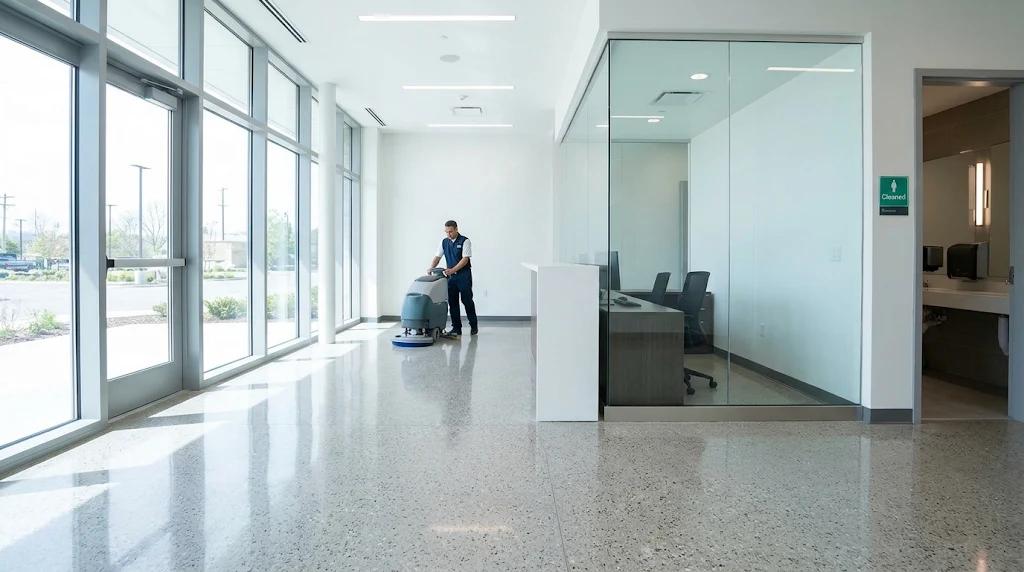
More offices and retail stores are looking for cleaning methods that are safer for employees, customers, and the environment. The challenge is not just choosing products with a green label. It is finding options that actually clean well, reduce indoor air concerns, and fit the day-to-day demands of busy commercial spaces. For many businesses, that means comparing surface sprays, floor care methods, microfiber systems, and cleaning routines that support both health and presentation. When managers search for practical guidance or compare providers such as commercial cleaning services Richboro, the main question is usually the same: which green cleaning choices truly work in real offices and stores?
The good news is that several eco-conscious methods have been tested in everyday commercial settings and can deliver strong results. The key is to match the method to the surface, the traffic level, and the type of soil being removed. Green cleaning is most effective when it is consistent, properly trained, and based on the right tools rather than just a different bottle on the shelf.
Key Points
- Green cleaning works best when it combines safer products, better tools, and consistent routines.
- Microfiber cloths and mops can remove more dirt with less chemical use than traditional materials.
- Neutral cleaners, enzymatic cleaners, and certified low-toxicity products are often effective for offices and stores.
- Floor care, touchpoint cleaning, and restroom sanitation require different green approaches.
- Training and proper dilution matter as much as the products themselves.
- Ventilation, daylight, and smart scheduling help reduce the need for harsh chemicals.
What Green Cleaning Means in Commercial Spaces
Green cleaning in an office or store means using methods that lower exposure to harsh chemicals while still meeting hygiene and appearance standards. It is not about using less cleaning. It is about cleaning more intelligently. In practical terms, that includes choosing products with fewer volatile organic compounds, using reusable tools that capture dust effectively, and avoiding unnecessary fragrance or heavy solvent use.
In commercial spaces, the goal is twofold. First, the area must look clean and feel welcoming. Second, the environment should support indoor air quality and reduce irritation for workers and visitors. This matters in offices where people spend hours at desks, and in stores where customers may be sensitive to odors or residues.
Green Cleaning Options That Actually Work
Microfiber cleaning systems
Microfiber is one of the most reliable green cleaning tools for offices and stores. The fine fibers trap dust, pollen, and debris more effectively than cotton cloths or old rags. That means less need for chemical sprays and fewer passes over the same surface. Microfiber works especially well on desks, counters, glass partitions, shelves, and other hard surfaces.
For floors, microfiber mop pads can reduce water use and improve pickup of fine dirt. They are useful in lobbies, hallways, and retail aisles where dust and foot traffic build up quickly. The main requirement is proper laundering and replacement, since worn microfiber loses effectiveness over time.
Neutral pH cleaners for routine maintenance
Neutral cleaners are a strong option for many daily cleaning tasks. They are designed to remove general dirt without being overly acidic or alkaline, which helps protect surfaces such as sealed flooring, countertops, and finished furniture. In offices, they work well for break rooms, desks, and common areas. In stores, they are useful for display cases, checkout counters, and entry surfaces.
These products are especially valuable because they balance performance and surface safety. They help keep finishes intact and reduce the risk of residue that can attract more dirt later.
Enzymatic cleaners for organic soils
Enzymatic cleaners use natural enzymes to break down protein, grease, and other organic matter. They are particularly useful in restrooms, food service corners, and break areas where spills or bodily soils may be present. In retail settings with cafes or snack areas, enzymatic cleaners can help manage odors and sticky buildup without relying on strong disinfectant scents.
They are not a universal solution, but they are highly effective for targeted cleaning. When used correctly, they can reduce the need for stronger chemicals and improve results on problem areas.
Low-VOC and fragrance-free disinfectants
In offices and stores, disinfection is sometimes necessary, especially for high-touch surfaces like door handles, elevator buttons, faucet handles, and shared equipment. Green cleaning does not mean skipping disinfection when it is needed. It means selecting products with lower volatile organic compounds and minimal fragrance, while still following label directions for contact time and proper use.
Fragrance-free formulas are often a better choice for commercial environments because they lower the chance of complaints about strong odors. They also make it easier to maintain a neutral indoor environment for people with sensitivities.
Steam cleaning for certain surfaces
Steam cleaning can be an effective green option for specific applications. It uses heat and moisture rather than heavy chemical use, which can be helpful for grout, restroom fixtures, and some hard floor areas. In stores, it can assist with stubborn buildup in fitting rooms, back rooms, and entry mats.
Still, steam is not ideal for every surface. Delicate finishes, electronics, and some adhesives may be damaged by heat or moisture. A good cleaning plan uses steam selectively rather than as a one-size-fits-all method.
Where Green Cleaning Works Best in Offices
Offices benefit from green cleaning because they usually contain many shared surfaces and enclosed spaces. Desks, conference tables, keyboards, reception counters, and break rooms all collect dust and bacteria over time. A green routine can handle these spaces well when it focuses on consistency.
For office use, the best approach often includes dusting with microfiber, wiping with neutral cleaners, spot-cleaning carpets with low-toxicity solutions, and using targeted disinfection for high-touch points. Restrooms and kitchenettes need special attention, but even there, safer products can work well if they are applied correctly and given enough dwell time.
Air quality matters in office settings
One major benefit of green cleaning in offices is improved indoor air quality. Heavy chemical fumes, aerosol sprays, and strong scents can contribute to discomfort, headaches, or irritation. Using low-VOC products, avoiding unnecessary sprays, and increasing ventilation during cleaning can make a noticeable difference.
This is especially important in workplaces with open floor plans or limited fresh air circulation. A cleaner indoor environment supports productivity and employee comfort, which is part of why many businesses are rethinking their cleaning approach.
Where Green Cleaning Works Best in Stores
Retail stores face a different challenge. They need to look spotless for customers while handling constant foot traffic, fingerprints, dust from merchandise, and spills from product handling. Green cleaning methods can work very well here, but they must be fast and efficient.
Glass surfaces, mirrors, shelving, fitting rooms, registers, and entryways are all important areas. A microfiber system paired with a streak-free, low-residue cleaner is often enough for daily upkeep. Floor mats, tile, and hard surfaces may need deeper cleaning on a schedule, especially during busy shopping periods.
Stores also benefit from using green floor care products that do not leave slippery residue. That helps maintain safety while keeping the space polished and professional.
How to Choose Products That Deliver Results
The most effective green products are usually the ones that are certified, clearly labeled, and matched to the task. Look for products with third-party certifications when possible, such as those that indicate lower toxicity or environmental responsibility. More important than marketing language is whether the product has been tested for the surface and type of soil you need to remove.
It also helps to consider dilution control. A product that is too concentrated or mixed incorrectly can underperform or leave buildup. In commercial environments, proper training is often the difference between a product that works and one that causes problems.
Questions to ask before switching
- Will this product clean the surface without damaging the finish?
- Does it require special ventilation or contact time?
- Is it safe for daily use around employees and customers?
- Can the staff use it correctly and consistently?
- Will it reduce residue, odor, and repeat cleaning?
Simple Practices That Make Green Cleaning More Effective
Product choice is only part of the equation. Routine matters just as much. Businesses can improve results by cleaning high-traffic zones more often, using entrance mats to reduce dirt tracking, and scheduling deeper cleaning during low-traffic hours. Daylight and ventilation can also support a cleaner indoor environment and reduce the need for heavy odor-masking products.
Another practical step is color-coding cleaning tools for different zones. This helps prevent restroom tools from being used on desks or food areas. It is a simple system, but it improves hygiene and supports better cleaning habits overall.
Limitations to Keep in Mind
Green cleaning is effective, but it is not magic. Some situations still require stronger products, especially when dealing with bloodborne contamination, mold issues, or severe buildup. The goal is not to eliminate every conventional product. It is to use the least aggressive option that still gets the job done safely and thoroughly.
Businesses should also avoid assuming that a product is effective just because it is natural. Vinegar, baking soda, and essential oils may help in some cases, but they are not always suitable for commercial cleaning standards. Real effectiveness comes from science, proper application, and matching the method to the task.
Conclusion
Green cleaning options can absolutely work for offices and stores when they are chosen carefully and used correctly. Microfiber systems, neutral cleaners, enzymatic formulas, low-VOC disinfectants, and selective steam cleaning all have a place in modern commercial care. The best results come from combining the right tools with proper training, thoughtful scheduling, and a clear understanding of each space’s needs.
For businesses that want a cleaner environment without relying on harsh chemicals, green cleaning is not just a trend. It is a practical approach that can support healthier indoor air, better surface care, and a more comfortable experience for everyone who enters the space.
FAQ
Are green cleaning products strong enough for commercial use?
Yes, many are. The key is using the right product for the right task. Neutral cleaners, microfiber systems, and certified disinfectants can be very effective in offices and stores when used properly.
Do green cleaning methods cost more?
Not always. Some products may cost more upfront, but microfiber tools, reduced chemical use, and better cleaning efficiency can lower long-term costs.
Can green cleaning handle restrooms?
Yes, if the right products and procedures are used. Restrooms may need enzymatic cleaners, low-VOC disinfectants, and more frequent attention than other areas.
Is fragrance-free better than scented products?
Usually, yes, for commercial settings. Fragrance-free products reduce the chance of irritation and create a more neutral indoor environment.