





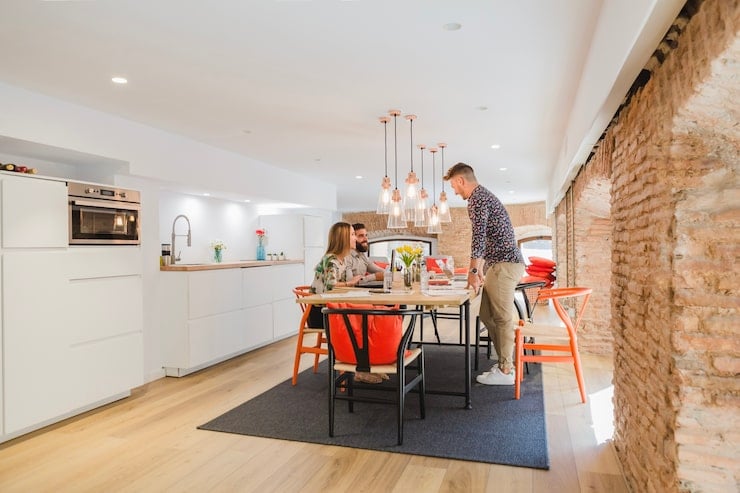
For a 3 room BTO flat in Singapore, renovation costs typically range from S30,000toS60,000, depending on the quality of finishes, scope of works, and chosen contractors. First-time homeowners should prioritise hacking and masonry, carpentry, and kitchen works, as these form the structural and functional backbone of any home. Cosmetic upgrades like feature walls and lighting can be scaled based on what remains in the budget.
Planning a 3 room BTO renovation is exciting — but it can also be overwhelming once you start seeing quotations. Knowing where to spend more and where to hold back is what separates a home you love from a renovation you regret.
What Does a 3 Room BTO Renovation Actually Cost in Singapore?
According to the Housing & Development Board (HDB), a 3 room flat in Singapore has a floor area of approximately 65 square metres. Based on current market data, most homeowners in Singapore spend between S35,000andS55,000 on a mid-range renovation for this flat type. Going premium can push costs past S65,000,whileabasicrenovationmaycomeinaroundS28,000 to S$32,000.
Here is a broad breakdown of where costs typically fall:
| Renovation Category | Estimated Cost Range (SGD)
|
|---|---|
| Hacking & Masonry | S3,000–S8,000 |
| Carpentry (Wardrobe, Kitchen, TV Console) | S10,000–S20,000 |
| Kitchen (Wet works, Tiles, Cabinets) | S6,000–S14,000 |
| Bathroom (Tiling, Fittings) | S4,000–S8,000 |
| Flooring | S3,000–S7,000 |
| Electrical & Lighting | S2,000–S5,000 |
| Painting | S1,500–S3,000 |
| Miscellaneous & Loose Furniture | S2,000–S5,000 |
Where You Should Spend More of Your Renovation Budget
Some parts of your home will cost a fortune to redo later. These are the areas where cutting corners will haunt you — literally every single day.
1. Carpentry and Built-In Storage
In a 3 room HDB flat, storage is your most valuable asset. Investing in well-designed built-in carpentry — kitchen cabinets, bedroom wardrobes, a TV console — maximises every square metre. Good carpentry is built to last 10 to 15 years and adds significant resale value to your home.
Do not skimp on hardware like drawer channels and hinges. Cheap hardware wears out fast and drives up maintenance costs over time.
2. Kitchen Wet Works and Waterproofing
Water damage is one of the most expensive problems to fix after renovation is complete. Proper waterproofing in the kitchen and bathrooms is non-negotiable. The HDB renovation permit process specifically requires licensed plumbers and waterproofing works to meet standards — for good reason.
A leaking pipe or poorly sealed wet area can damage your floor, your downstairs neighbour’s ceiling, and your wallet. Spend properly here.
3. Flooring
Flooring ties the entire look of your home together and affects how the space feels underfoot daily. Vinyl plank flooring has become a popular mid-range choice in Singapore — durable, water-resistant, and visually appealing. If your HDB renovation budget allows, porcelain tiles or engineered wood are worth the upgrade in the living area.
4. Electrical Points and Wiring
Adding electrical points after renovation is messy, expensive, and disruptive. When planning your renovation budget in Singapore, map out every appliance, charger point, and smart home device you will ever need — then add extra points as contingency. This is cheap to do during renovation and expensive to do after.
Where You Can Save Without Compromising Quality
A smart renovation budget is not just about what you spend on — it is equally about what you choose not to overspend on.
Feature Walls and Accent Décor
Fluted panels, limewash paint, and textured wallpaper look stunning on Instagram, but they are cosmetic. You can achieve a similar visual effect using well-chosen paint colours or peel-and-stick wallpaper at a fraction of the cost. Revisit these elements once you have settled in and have leftover budget.
Loose Furniture
Avoid buying all your furniture at once during the renovation phase. Sofas, dining tables, and décor pieces can be purchased gradually from platforms like Taobao, IKEA, or local stores as you better understand how you use the space. There is no rule that says everything must be in place on day one.
False Ceilings
False ceilings add polish, but they are not essential in every room. For a 3 room BTO flat, consider installing a false ceiling only in the living area or master bedroom — where it has the most visual impact — rather than throughout the entire home.
Renovation Budget Singapore: Key Rules to Follow
Before you sign any renovation contract, keep these practical rules in mind:
- Always get at least three quotes from HDB-registered renovation contractors.
- Set aside a contingency fund of 10% to 15% above your total quoted cost.
- Use your CPF Housing Grant wisely — renovation costs cannot be funded directly from CPF Ordinary Account for BTO flats.
- Check HDB’s renovation guidelines before hacking any wall, especially for structural or load-bearing elements.
- Time your renovation during off-peak periods (avoid the Chinese New Year rush) to potentially negotiate better rates.
How to Prioritise When Your Budget Is Limited
If your HDB renovation cost budget is on the tighter end, use this priority order:
- Essential wet works and waterproofing — non-negotiable
- Electrical and plumbing points — hard to fix later
- Flooring — affects livability daily
- Carpentry — invest in the kitchen and master bedroom first
- Painting — high visual impact, relatively low cost
- Lighting and décor — can be phased in over time
This approach ensures your home is functional and structurally sound before it is beautiful.
Getting the Most From Your Interior Designer or Contractor
Working with an experienced interior design firm makes a measurable difference in how your budget is allocated. A good ID will flag areas where you are overspending on low-impact items and redirect funds toward what matters more. They also manage project timelines, contractor coordination, and HDB permit submissions — which saves you significant stress.
If you are planning your first 3 room BTO renovation and want professional guidance on where your budget will have the most impact, Posh Living offers tailored interior design solutions for HDB homeowners in Singapore, helping you build a home that is both practical and beautifully designed.
Read more: Digital Price Tags vs Paper Price Tags: Which Is Better for Retailers?
Frequently Asked Questions
What is the average cost for a 3 room BTO renovation in Singapore?
The average 3 room BTO renovation in Singapore costs between S35,000andS55,000 for a mid-range finish. Basic renovations can start from around S28,000,whilepremiumrenovationswithhigh-endcarpentryandimportedmaterialscanexceedS65,000. Costs vary based on the contractor, materials, and extent of works.
Can I use my CPF to pay for BTO renovation costs?
CPF Ordinary Account funds cannot be used directly to pay renovation contractors for BTO flats. However, some homeowners use personal loans or renovation loans offered by banks in Singapore to fund their works, repaying them over 1 to 5 years at relatively low interest rates.
What renovation works require an HDB permit?
HDB permits are required for hacking of walls, installation of new windows, replacement of main doors, waterproofing works, and any changes to structural elements. All permit-required works must be carried out by HDB-registered renovation contractors. You can check the full list on the official HDB website.
How long does a 3 room BTO renovation typically take?
A standard 3 room BTO renovation in Singapore takes between 6 to 10 weeks, depending on the scope of works and contractor scheduling. Homes requiring extensive hacking, custom carpentry, or imported materials may take slightly longer. Planning early and finalising your design before works begin helps avoid delays.
What is the most cost-effective way to renovate a 3 room HDB flat?
Prioritise structural and functional works — waterproofing, electrical points, and carpentry — before cosmetic upgrades. Get multiple quotes, avoid over-designing spaces you use less frequently, and phase in loose furniture and décor items over time. A phased approach helps manage cash flow without compromising the quality of essential works.
Should I hire an interior designer or go directly to a contractor for my BTO renovation?
An interior designer is worth the fee if you want cohesive design, space planning, and project management handled professionally. For straightforward renovations with a tight budget, a reliable HDB-registered contractor may suffice. The key is ensuring whoever you hire is experienced with BTO flat renovations and familiar with HDB guidelines.